

Ram Setu’s Archaeological Grandeur
The article critiques the Indian film Ram Setu (2022) within contemporary geological, legal, and political discussions, particularly its promotion of Hindutva sentiments. It highlights the neglect of the tombolo’s geological significance and impacts on local Tamil fishermen and environments, emphasizing the need for holistic understanding beyond archaeological myths.

Katchatheevu and Indo-Lankan Maritime Relations
Katchatheevu, a contested 285-acre uninhabited island near India’s Tamil Nadu and Sri Lanka’s Delft Island, holds significance in Indo-Lankan relations. Its political importance often overshadows its shared maritime heritage. The island embodies nationalist tensions while also representing a shared Tamil legacy across the Indo-Lankan maritime boundary.
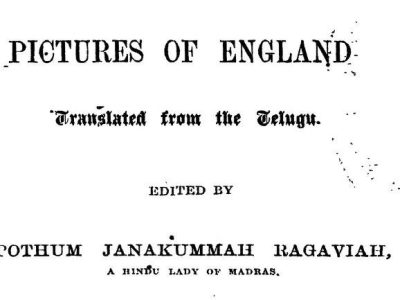
A “Hindoo Lady of Madras” in Victorian London
Pothum Janakummah Ragaviah’s “Pictures of England” (1876) explores her unique experience as a female Indian traveler in Victorian London, highlighting the contrasting desires for reform within Indian society and the influence of Anglican values. The work emphasizes the role of non-British experiences in shaping Victorian culture, showcasing the complexities of identity and place.

Mythologizing Late Victorian Tea Advertising
This paper analyzes late-Victorian tea advertisements from 1890 to 1900, focusing on their complex aesthetic and ideological roles in the context of English identity. It highlights the influence of gastromythology and the sociocultural dynamics at play in The Illustrated London News, connecting these historical marketing practices to modern consumer psychology and digital algorithms.

Do You Believe in Ram Setu?
The Sethusamudram Shipping Canal Project, halted by a 2013 Supreme Court ruling, highlights the colonial legacy surrounding Adam’s Bridge, or Ram Setu. This religious and epistemic debate complicates nationalist claims of its sacredness, as contemporary political voices misinterpret colonial influences on its history and significance within Indian identity.
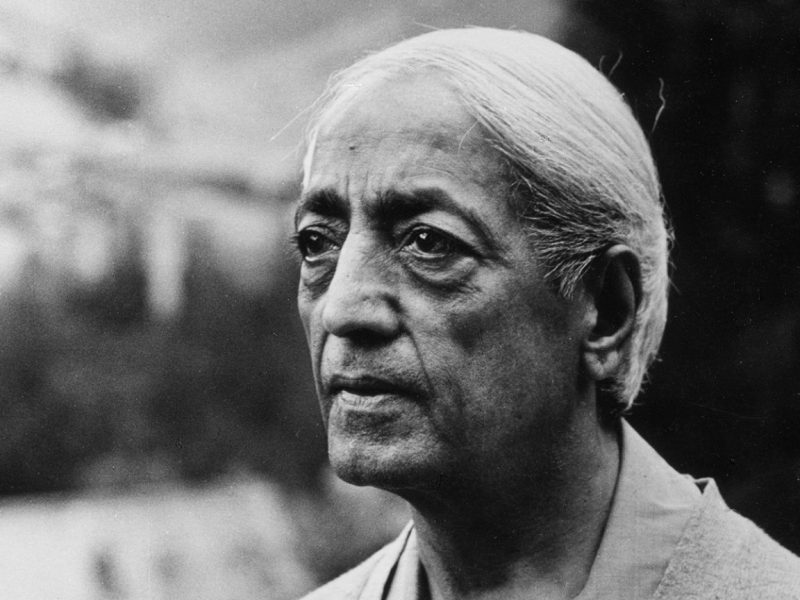
Jiddu Krishnamurti and the Problem of Conscience
The paper examines Jiddu Krishnamurti’s complex relationship with conscience and morality, particularly in light of recent critiques of his behavior. It compares his philosophical roots in Theosophy with Helena Blavatsky and Annie Besant, arguing that despite allegations of immorality, Krishnamurti’s insights reaffirm his commitment to addressing human suffering through moral reflection.
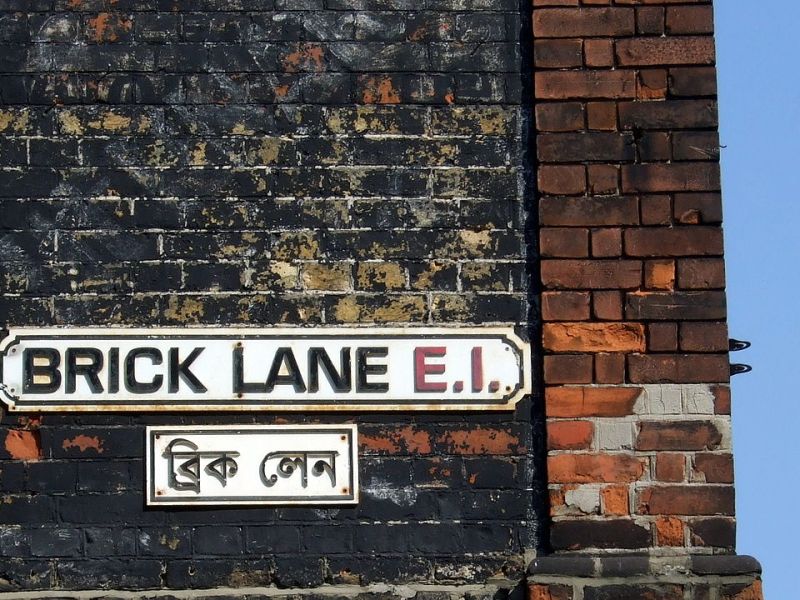
The “Decline” of London’s Curry Houses
The article discusses the decline of London’s curry houses, emphasizing their cultural importance linked to Asia. It critiques existing explanations for this decline, proposing the concept of gastromythology, which blends invented traditions and authenticity. This framework helps analyze the transformation of culinary traditions amidst social and political changes, particularly post-Brexit.

Sherlock Holmes and the Adventure of Lucid Dreaming
The article explores the significance of dreams in the Sherlock Holmes narrative, emphasizing his unique ability for oneirogenesis, or dream-based reasoning. By referencing figures like Thomas De Quincey, it critiques conventional rationality in detective work, arguing that adaptations neglecting this dream element offer incomplete portrayals of Holmes’s deductive prowess.

Sherlock Holmes and the Adventure of Theosophy
Sherlock Holmes is often oversimplified as a secular modern professional, with a remorselessly scientific outlook. This hypothesis overlooks late-nineteenth-century English society’s pursuit of new social possibilities for spiritualism, following challenges from Darwinist biological determinism to orthodox biblical mythology and morality. If we see Holmes in a default empirical scientism affiliated to imperial ideologies, we will…

The Untold Story of Afia Begum and the Sari Squad
The paper explores the story of Afia Begum, a Bangladeshi immigrant’s widow facing deportation from the UK. Following her husband’s tragic death, she was deemed an illegal immigrant. The Sari Squad, a group of Asian women, fought for her rights. The case critiques the British Home Office’s treatment of immigrants and raises questions about nationalism…
London and Gender in Victorian Indian Accounts
(2022). Mapping Icons of Victorian Femininity: Engendering London in Nineteenth-Century Indian Accounts. Interdisciplinary Literary Studies, 24 (3): 313-341. Abstract Indian travelers in Victorian London began engaging with questions of nationhood, modernity, family, home, and gender roles within the ambit of reproducing the city’s imperial geography on increasingly gendered and sexist lines. The rise of Indian…
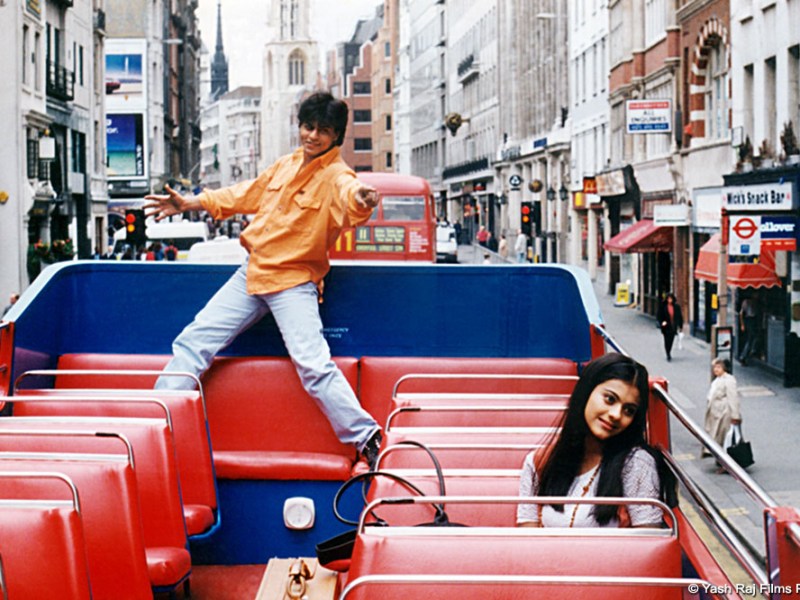
Dilwale Dulhania Le Jayenge and Consumerism
The paper analyzes the film Dilwale Dulhania Le Jayenge, exploring its portrayal of India’s middle-class identity within neoliberal consumer culture. It argues that the film reinforces a consumerist patriarchy, linking gender empowerment to capitalist ideologies. The analysis connects the film’s themes to India’s economic liberalization and global capital dynamics, highlighting contradictions in its representation of…
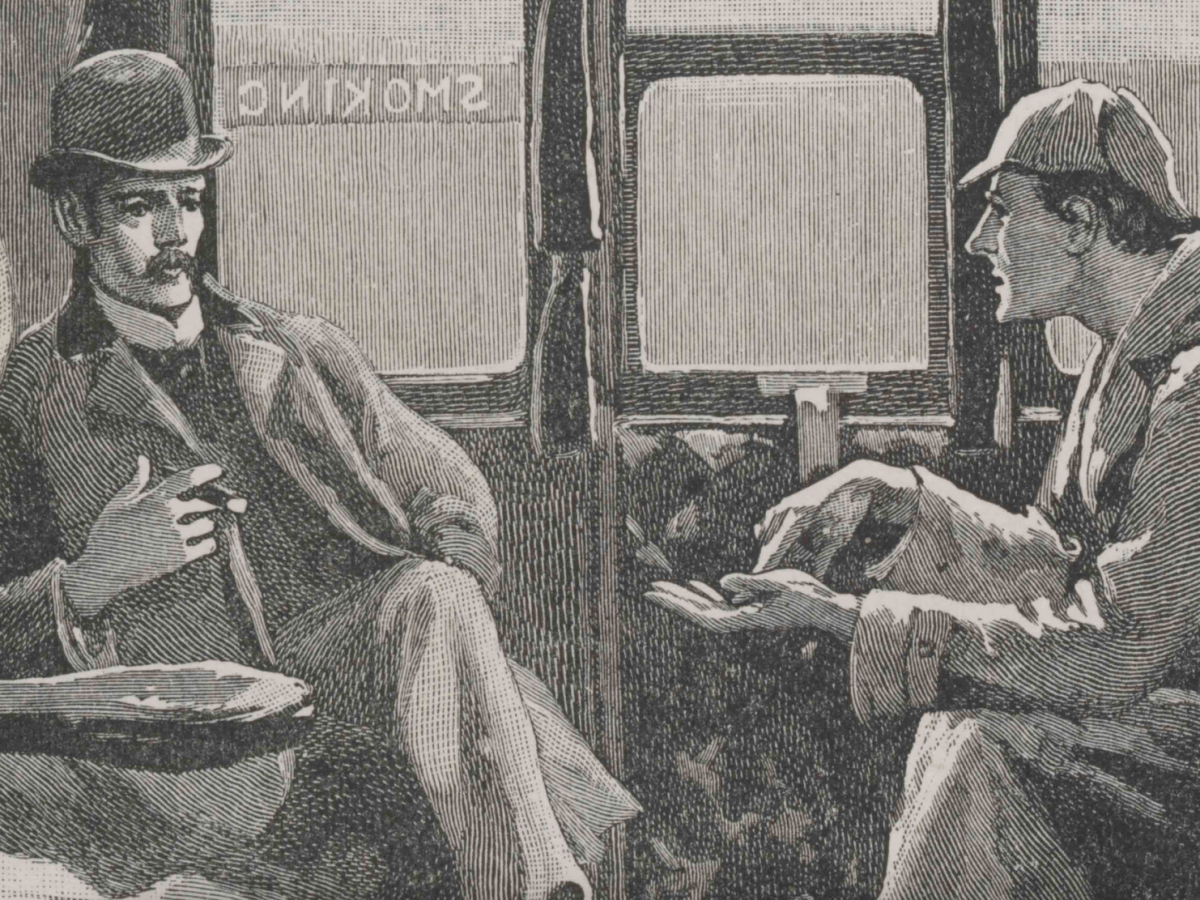
Aconite in Victorian Tropical Toxicology
The article explores Arthur Conan Doyle’s depiction of poisons in his Sherlock Holmes stories, particularly focusing on Indian aconite. It critiques Victorian views on Indian toxicology, revealing how cultural biases influenced perceptions of tropical poisons, emphasizing their criminal uses while overlooking historical medicinal applications by Indian practitioners.
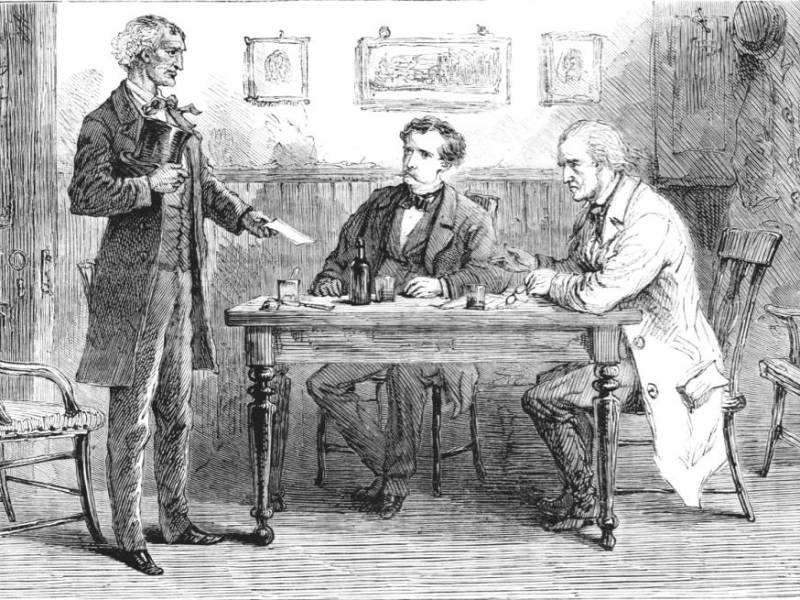
The Moonstone’s Pharmacy of Detection
This article challenges notions of furniture as being merely figures of speech in Victorian fiction, through what is here demonstrated in an archetypology of furniture based on Wilkie Collins’s novel, The Moonstone (1868). Taking the story beyond its allegory of imperial psychology, I chart the functional aspects of furniture, viewed as archetypes. The Moonstone inspired the interiors of detective plots in the works…
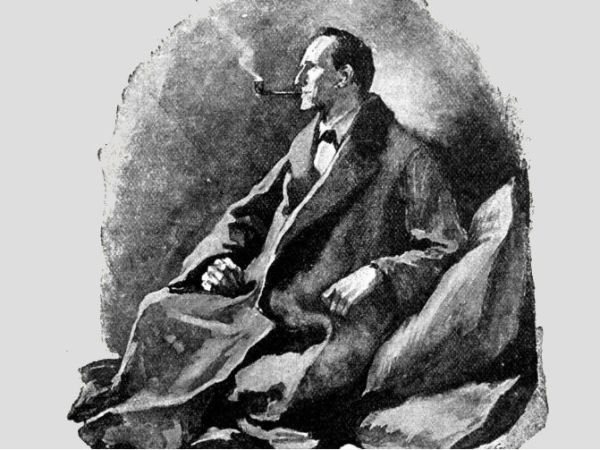
Sherlock Holmes, the Baker Street Spiritualist
Critics of Victorian detective fiction have hinted at alternate careers for Sherlock Holmes—that is, scientist and lawyer—almost entirely overlooking the spiritual side to the detective. Working within the hermeneutics of nondual Vedanta and the Indian monk Sri Ramakrishna’s philosophy, this article reexamines Holmes as a calm and unfettered yogi who descends from the roof of…
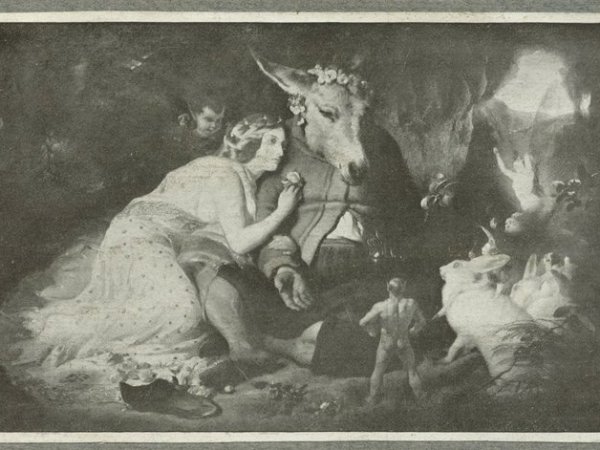
Shakespeare and the ‘Naturall Sicknes’ of Dreams
This paper examines the portrayal of dreams in Shakespeare’s works, relating them to Elizabethan medical and political discourses. It argues that Shakespeare’s dreamscapes express concerns about emotional wellbeing, challenging the perception of dreams as mere reflections of reality. The study connects these themes to broader cultural and therapeutic contexts, emphasizing their significance in the Renaissance.

Lord Ram’s Own Setu
Taking the current geological, environmental and religious controversy around the iconic Adam’s Bridge or Ram Sethu (as it is referred to in Hindu sacred mythography) and the proposed Sethusamudram canal project – which has been delayed since the late-20th century over several administrative terms, due to litigious procedures and protests by religious groups – this article…
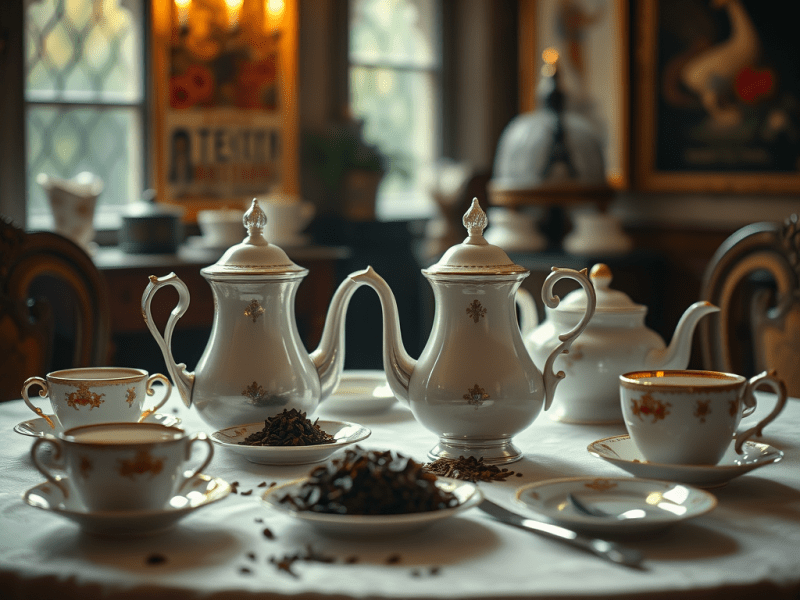
The Gastromythology of English Tea Culture
The article examines how Victorian England’s tea culture, shaped by advertising from the United Kingdom Tea Company, became integral to English life. It argues that these advertisements not only promoted tea but also reconfigured its identity within English imperialism, creating a gastromythology that sensualized and racialized tea drinking while masking its foreign origins.

The Indian Hookah in British Colonial Culture
Over the course of its Anglo-Indian career, the hookah began as an archetype of colonial hybridity in eighteenth-century Bengal, before entering nineteenth-century London and its consumer sensorium as a seductive Oriental artefact, through travelogues, hookah clubs, Indian-styled diwans and a massive cataloguing of Eastern artefacts culminating in the Crystal Palace Exhibition (1851) and the Colonial…
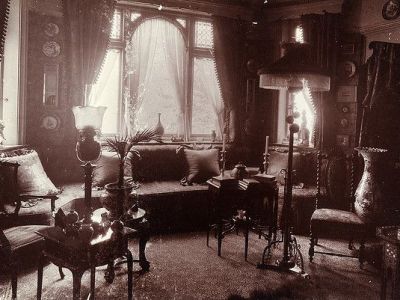
The Indian Eye on Victorian London’s Homes
Indian visitors to late-Victorian London like Mukharji, Pandian, Baijnath and Pillai, whose accounts carefully essayed the city’s Victorian homes, have been hailed as agents of cosmopolitan and aesthetic subjectivity in the history of Indian nationalism. Though their accounts have been read as the evidence of growing Indian suitableness for Home Rule, bonds of colonial hospitality,…
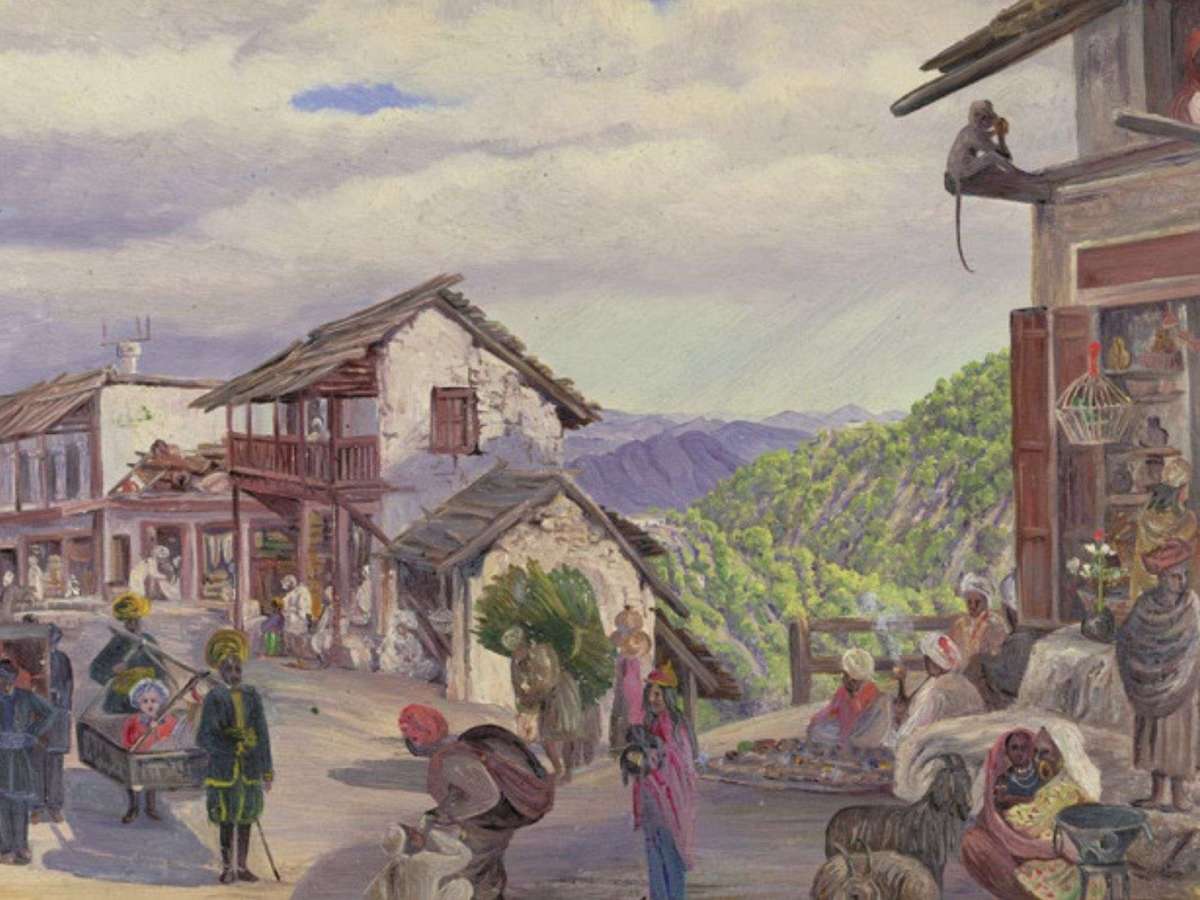
Doonstruck Diaries of Victorian Memsahibs
Established as colonial hill stations in India’s Doon Valley, in the 1820s, Mussoorie and Landour emerged in Victorian literary imagination with the journals of Emily Eden, Fanny Parks, and the Wallace-Dunlop sisters. This paper argues that the Doon’s female imperial architextures invented new prospects of grafting Anglo-Saxon aesthetics onto the Himalayan terra nullius , diminishing, miniaturizing, and depopulating aspects of…
Shakespearean Fractals of British Indian History
This paper uncovers new complexity for Shakespearean studies in examining three anecdotes overlooked in related historiography—the first Indian baptism in Britain, that of Peter Pope, in 1616, and its extrapolation in Victorian history as Calibanesque; the tale of Catherine Bengall, an Indian servant baptised in 1745 in London and left to bear an illegitimate child,…
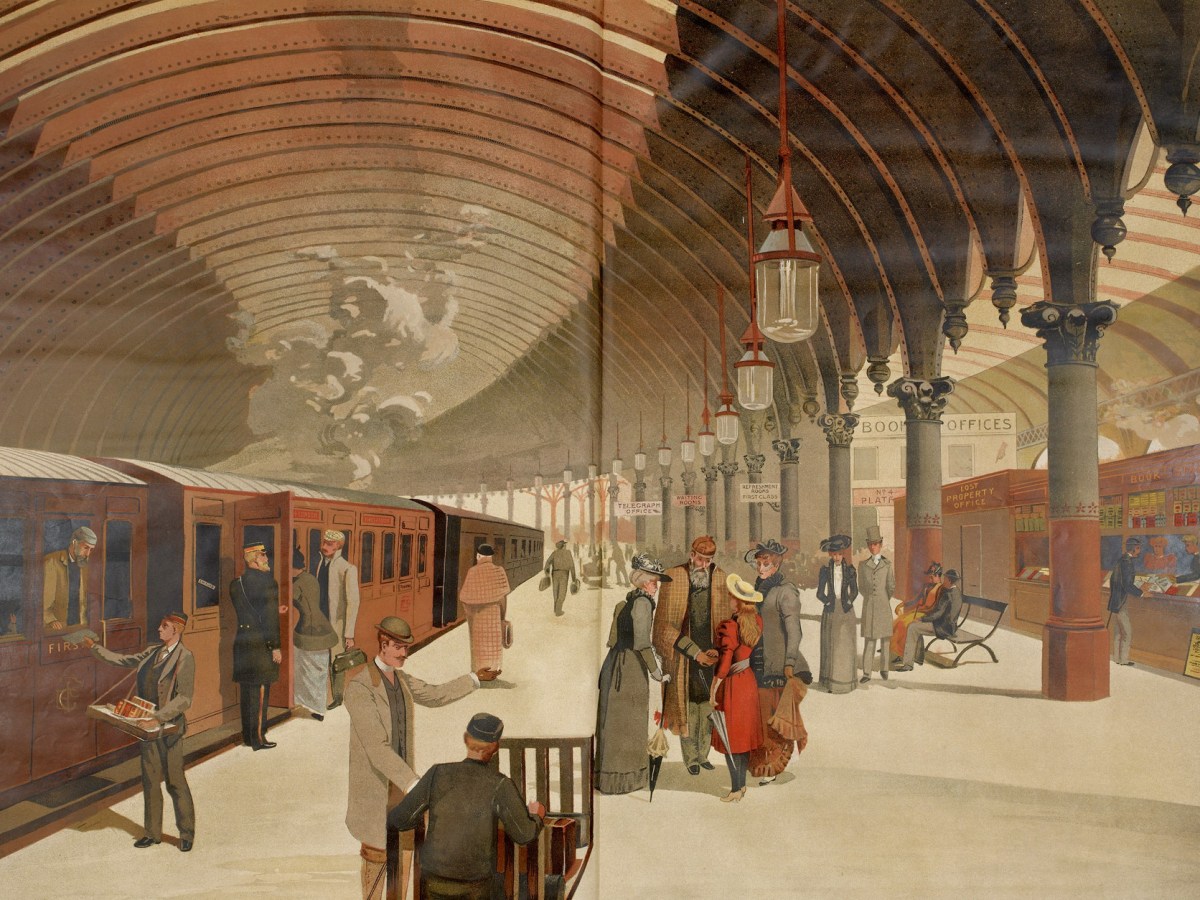
An Indian Psychogeography Around Victorian Railway Spaces (1870-1914)
While the expansion of the London Underground coincided with that of the Indian Railways, an Indian psychogeography was quietly emerging in the marginal geographies of the Victorian imperial capital. In their memoirs, Pothum Ragaviah, Mukharji, Jang, Malabari, Pillai and Pandian, among other Indian travellers, engaged with London’s railway spaces to renegotiate their colonial subjectivity. As…
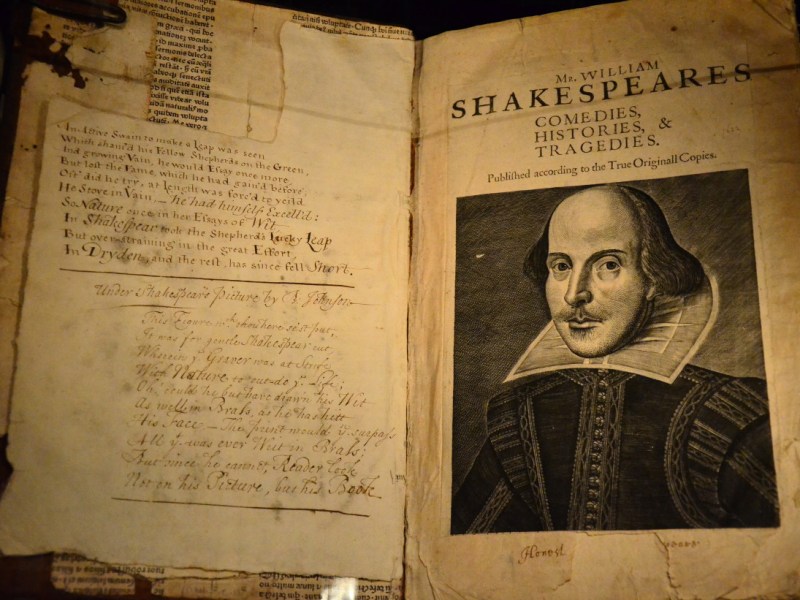
Shakespeare in Dreams and Shakespearean Dreams
This paper argues that Shakespeare’s dreamscape—manifest dreams, dreamlike attributes, discourses and semantic associations—follows a probability of archetypal psychic moods, pervaded by oneiric intertextuality of Jungian shadows. In Tudor England, dream reportage was deeply contested due to religious feuds revolving around the English Reformation; dreaming was subsumed in martyrological, heretical and religious discourses. The profuse dream…

Ruskin Bond’s Haunted Architecture
The writings of Ruskin Bond—one of India’s most loved and longest read authors—are interrelated to archetypes of haunted Anglo-Saxon cultural geography and architecture. Buildings like Maplewood, Mulberry Cottage, the Savoy Hotel and abandoned cottages of Pari Tibba or Camel’s Back Road, besides archetypal Anglo-Indian characters, keep resurfacing in Bond’s literary spaces of Mussoorie and Landour.…
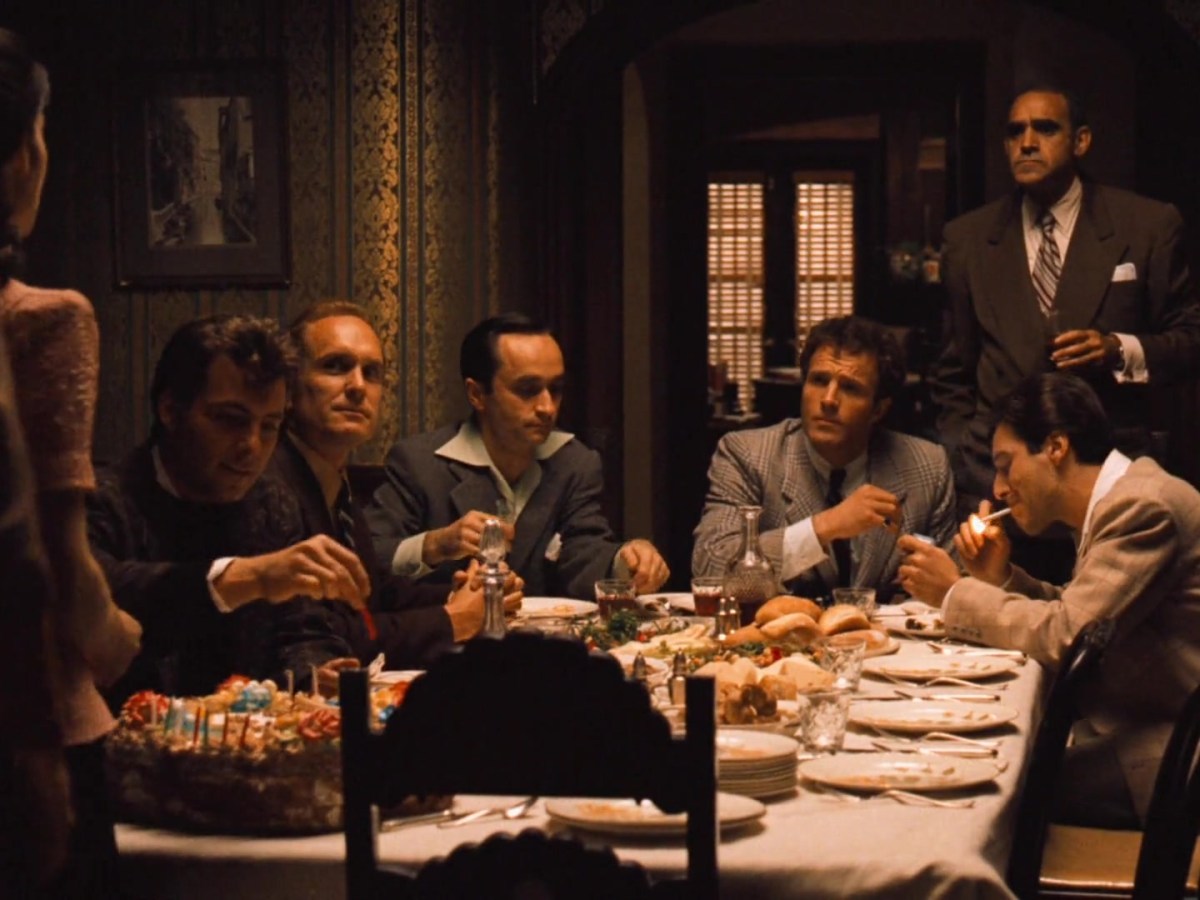
The Gastromythology of The Godfather Trilogy
Taking the founding principles of Abhinavagupta’s concept, rasadhvani, this paper defines the mysterious gastromythological code of The Godfather trilogy. I argue that, through an underlying Eucharistic code, gastromythology determines the rationale of ritualistic killings, and how they are represented in the mafia plotline of an otherwise conventional tragedy of an American family. Like The Godfather trilogy is critically taken…
The Science of the Andamans and The Sign of the Four
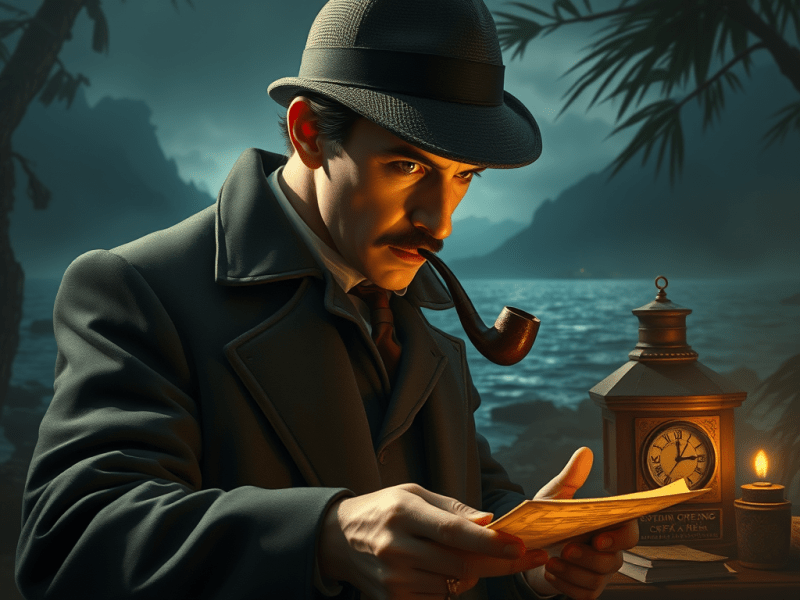
This article investigates the relationship between British imperial racial hierarchies and the subversive scientific knowledge from the Andaman Islands during Victorian Britain. It argues that Doyle’s character Tonga in The Sign of the Four challenges imperial discourse, highlighting the complexities of colonialism and the representation of Andamanese identity in British literature.
The Story of our Experiments with London
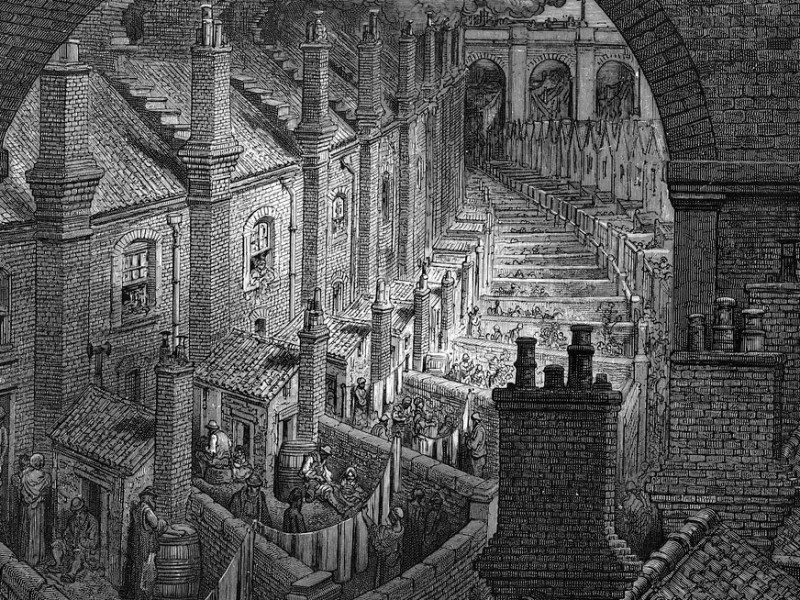
This paper argues for a hermeneutic shift in interpreting accounts of Victorian London in Indian travelogues written between 1870 and 1900, taking the founding of the Indian National Congress (1885) and the climate of anticolonial agitation as a political fulcrum for a new aesthetic drive in the ways in which the imperial capital was imagined…
The Quantum Ground of Dreaming in The Moonstone
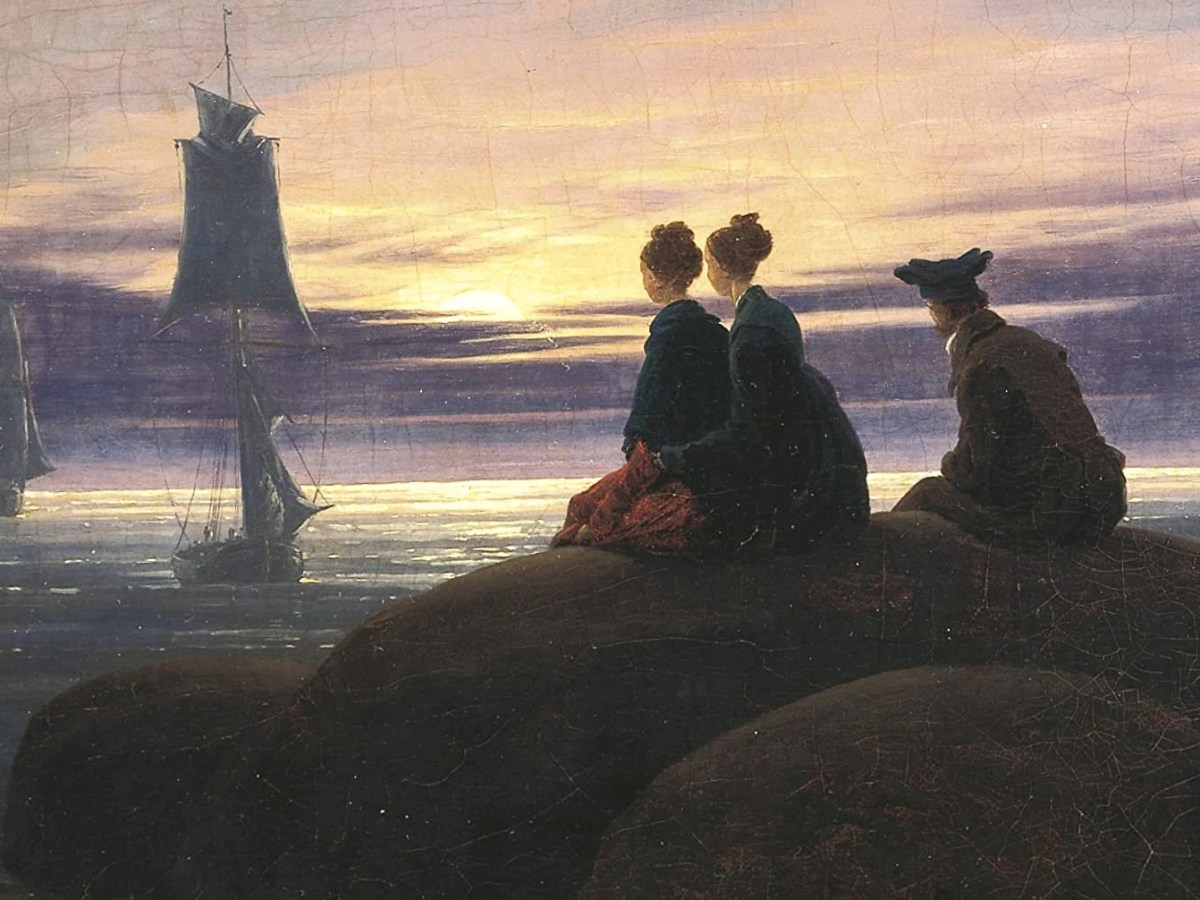
Wilkie Collins’ novel The Moonstone (1868) has sustained interests of dream theorists and postcolonial critics alike. Franklin Blake’s censored dream—and his somnambulant theft of the eponymous diamond—was a pioneering thought experiment by Collins, who is also believed to have invented the English detective novel. The question, whether Blake’s supposed dream and somnambulism was constituted by traces of his…
Downton Abbey and a Culinary Travelogy
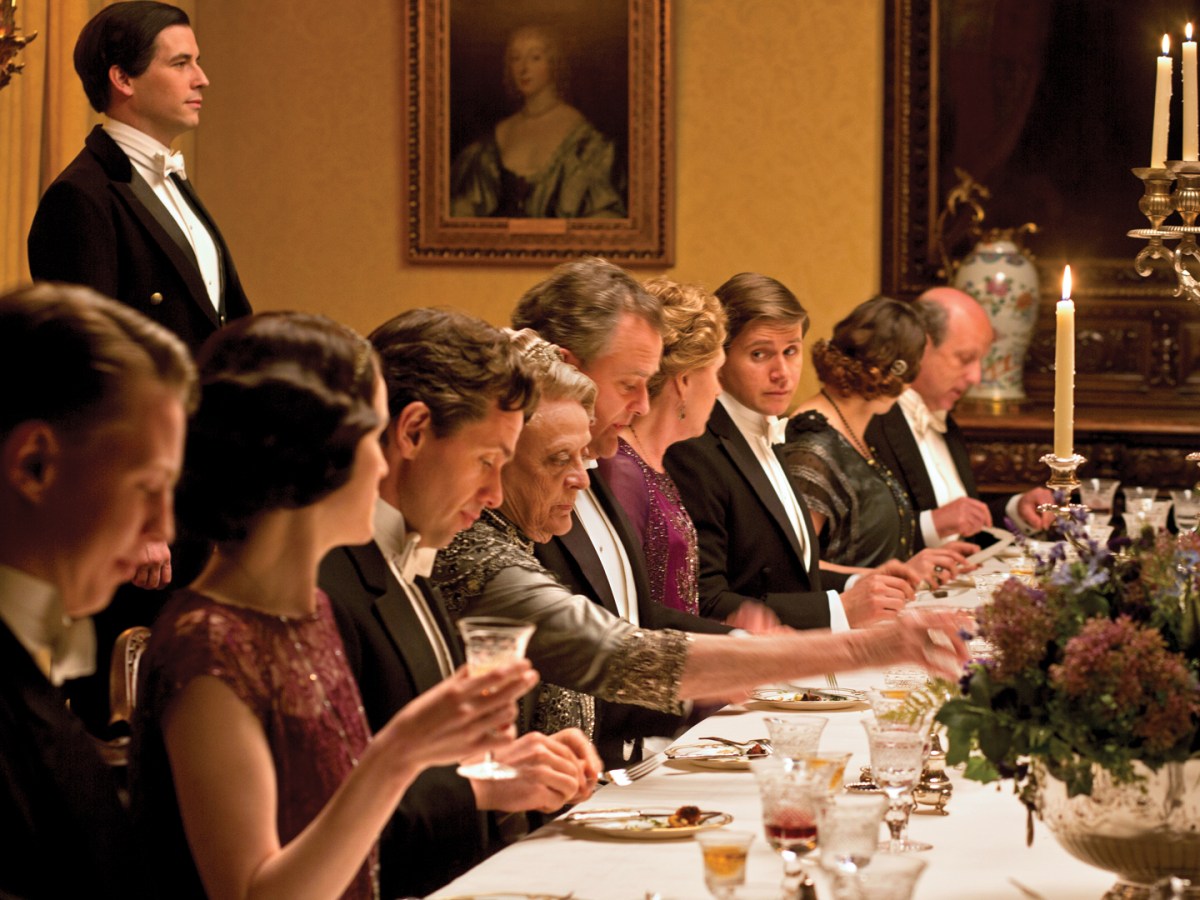
This paper explores recent trends in culinary representations in British television, and global food biographies, going back to Victorian or Edwardian Raj, i.e., the popular imperial television saga, Downton Abbey (2010-15), and two histories on the Curry, by Lizzie Collingham (2006) and Colleen Taylor Sen (2008). Just as Bengali or other subregional specializations in Indian…
Something went wrong. Please refresh the page and/or try again.
 Arup K. Chatterjee