
This page features multithemed conversations between Arup K. Chatterjee (author, educator, and historian) and scholars, educators, researchers, thinkers, on subject ranging across literature, history, culture studies, interdisciplinary areas of scholarship, literary writings, current affairs, philosophy, and science. The podcasts are hosted on Arup K. Chatterjee’s YouTube Channel. The segment also features readings of poetry, audio essays, and literary writings.
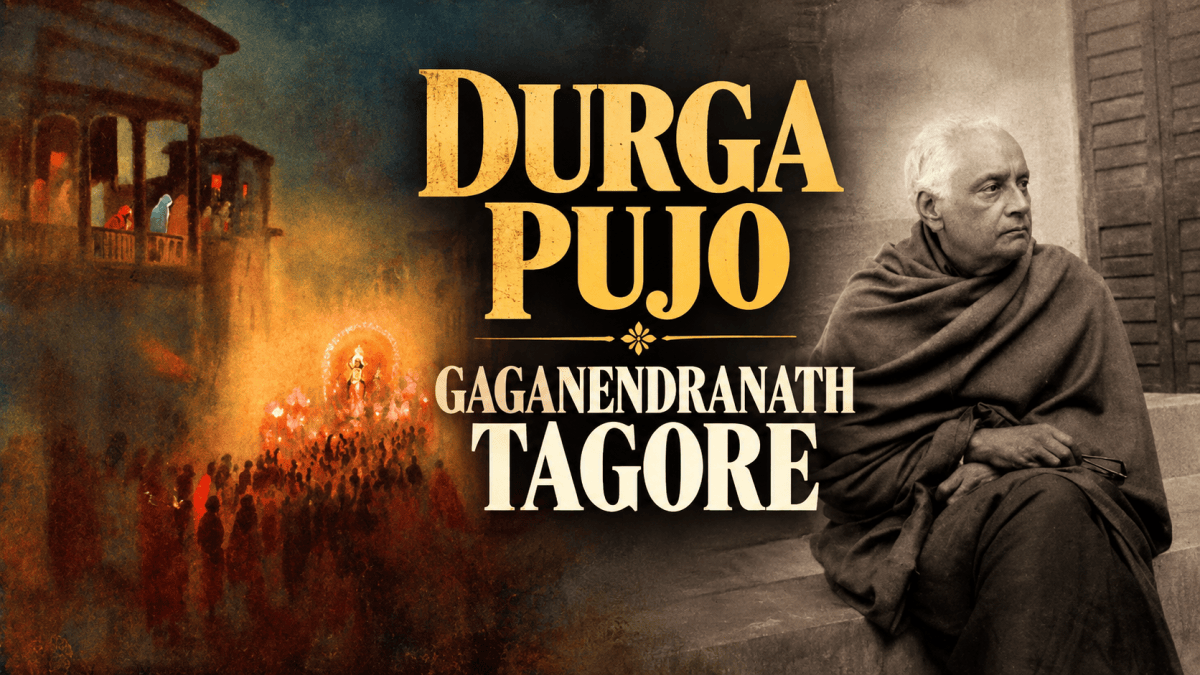
Durga Puja Painted by Gaganendranath Tagore (Thakur): “Pratima Visarjan,” Where Sound Gets Translated as Colour
Let me tell you how I feel about one of the most extraordinary paintings of Durga Pujo in the history of art. But before I tell you about the artist, look closely at something almost impossible to describe in this picture: this subtle mingling of colours, shades, patches, strokes, like the embers of fire or…

Darah Shukoh | The Least Secular Mughal? | Amit Ranjan in Conversation with Arup K. Chatterjee
Arup K. Chatterjee hosts Dr. Amit Ranjan in a discussion about Ranjan’s new book on Dara Shukoh, exploring his influence on secularism, spirituality, and Mughal history. Ranjan argues that Dara’s approach to governance intertwined Sufism and kingship, challenging historical binaries with Aurangzeb. The conversation emphasizes the need for a nuanced understanding of historical narratives.
“Only Lies Have Details” | We Disagree With BBC’s Sherlock | Conversation Between Sudip Patra and Arup K. Chatterjee
In this episode of The Unofficial Seminar, Arup K. Chatterjee and Sudip Patra delve into the complexities of truth and communication in modern discourse. They examine various themes, from Sherlock Holmes’ interpretations to the implications of complexity science in public policy. The discussion emphasizes the importance of engaging with intricate ideas in an increasingly simplified…
A Sherlock Holmes Novel with an Indian Plot | The Great Game in the Age of Empires | Conversation Between Arvind Ethan David and Arup K. Chatterjee
In this episode of The Unofficial Seminar, Arvind Ethan David discusses his debut novel, The Great Game, a geopolitical thriller set in 1905 London. Engaging with themes of representation and historical authenticity, David explores the complexities of figures like Winston Churchill and Sherlock Holmes within the context of colonialism and diversity in Britain.

Social Movements, Gandhi, Emergency, and New Models of Citizenship | Conversation Between Ankita Pandey and Arup K. Chatterjee
In this episode of The Unofficial Seminar, Professor Ankita Pandey discusses her book, “Becoming Allies,” which examines ally activism in India. She highlights how individuals in privileged positions historically supported marginalized groups and compares civil liberties movements in Kolkata and Delhi. The conversation underscores the importance of maintaining democratic accountability and the ongoing relevance of…

Two Faces of Indian Identity | Hindutva and Hind Swaraj | Makarand Paranjape in Conversation with Arup K. Chatterjee
Professor Makarand R. Paranjape discusses the contrasting intellectual legacies of Gandhi and Savarkar in contemporary Indian society. He explores how both figures represent different perspectives in addressing India’s challenges, emphasizing Gandhi’s evolving afterlife and the growing recognition of Savarkar’s ideas in current political discourse. Their dialogue reflects ongoing societal debates.
Fairies are Scary? | History, Folklore, Legends, and Mythologies | Conversation Between Adam Grydehøj and Arup K. Chatterjee
Arup K. Chatterjee interviews Professor Adam Grydehøj about folklore, fairies, and their historical context. They explore the relationship between folklore and religion, the evolution of fairy imagery, and the societal perceptions of supernatural beings, highlighting connections between Scandinavian folklore and cultural beliefs across the globe.

Bengal’s History, Culture, Identity, and Exceptionalism: Conversation Between Saugata Bhaduri and Arup K. Chatterjee
In this episode of The Unofficial Seminar, Professor Saugata Bhaduri discusses Bengal’s rich historical, cultural, and political landscape with Dr. Arup K. Chatterjee. The conversation challenges misconceptions about Bengal’s identity, exceptionalism, and the complex interplay between its diverse ethnic composition and historical narratives, emphasizing the need for an ethical approach to governance.
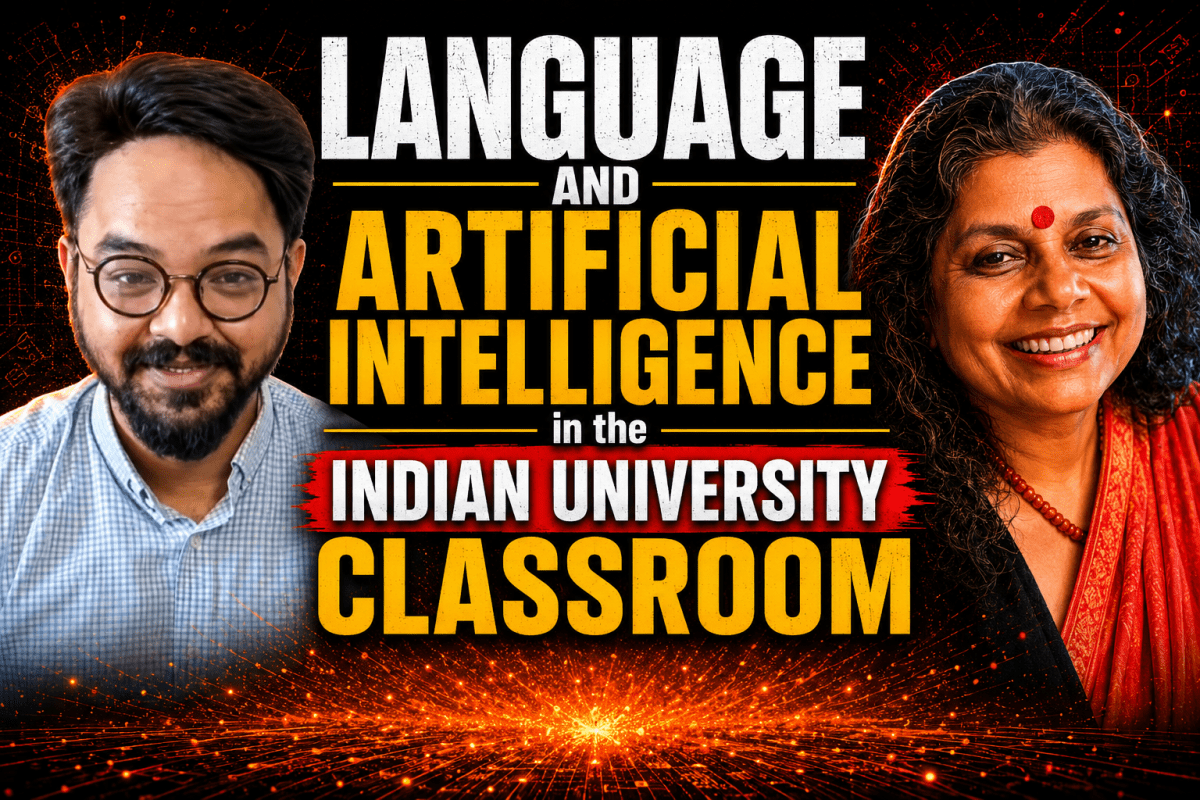
Gender Protocols and “Real” Education in Indian University Classroom Spaces
The discussion between Dr. Arup K. Chatterjee and Professor Ratna Raman centers on the transformation of Indian higher education, focusing on gender, language, and pedagogy. Professor Raman critiques the disparities between academic theories and the material realities of faculty positions, emphasizing the need for genuine inclusivity and a focus on student welfare over performative language…

All Indians Have Railways in Their DNA | The Romance of the Great Indian Railways | Arup K. Chatterjee in Conversation with Apurva Bahadur
In this episode of The Unofficial Seminar, Arup K. Chatterjee meets the railfan and photographer, Apurva Bahadur, who offers a self-aware meditation on his experience of the Indian railways. It begins with a personal detail that is also a cultural one, for his name was drawn from Satyajit Ray’s Apu Trilogy, a tribute chosen by…

On Suffering | Or How Do We Overcome Our Pain?
The essay emphasizes that psychological suffering is a universal experience, linking feelings of pain and abandonment to our shared humanity. It suggests this suffering, while seemingly isolating, ultimately reconnects us to the world and the cosmos. Recognizing this connection can lead to healing oneself and, in turn, helping others.
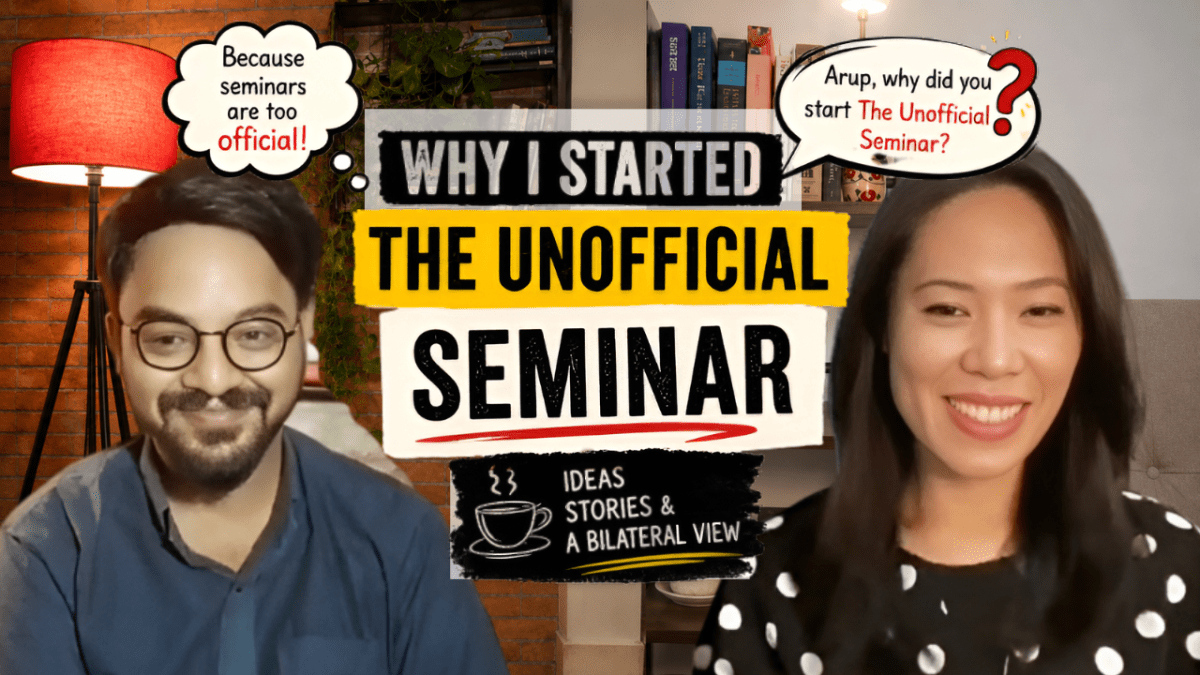
To Broadcast and Being Heard is Now a Responsibility | Rhodora Magan Quizzes Arup K. Chatterjee
Dr. Rhodora Magan and Dr. Arup K. Chatterjee discuss the purpose of The Unofficial Seminar, a platform aimed at fostering intellectual discourse beyond polarized politics. They emphasize storytelling, cultural history, and the value of diverse perspectives in understanding society. The initiative seeks to encourage open and accessible dialogue while prioritizing effective communication.

What is a Company? When is Profit Unethical? | Ashwin Mathew and Arup K Chatterjee
In this episode of The Unofficial Seminar, Professor Ashwin Mathew discusses the complexities of modern corporations with Dr. Arup K. Chatterjee. They explore corporate ethics, historical evolution, and regulatory responses to fraud. Mathew emphasizes the necessity of robust regulations to safeguard public interest against the monopolistic tendencies of large conglomerates while advocating for profit-driven corporate…
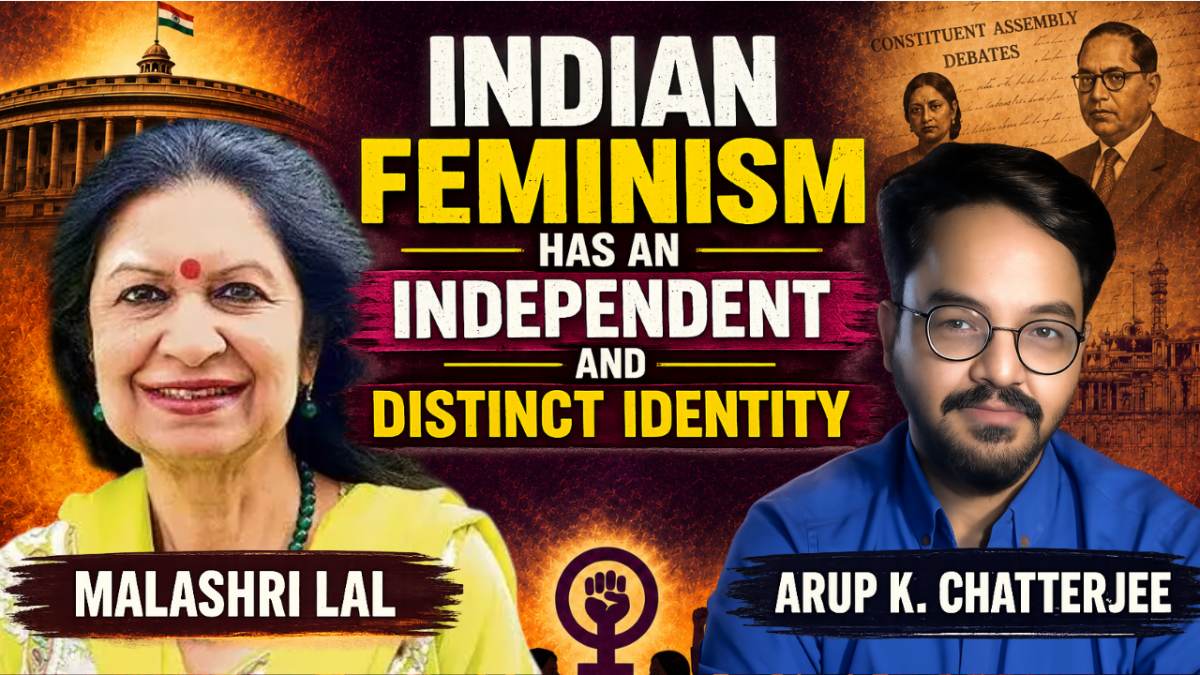
Indian Feminism is Independent and Distinct in its Identity | Malashri Lal with Arup K. Chatterjee
In this episode of The Unofficial Seminar, Professor Malashri Lal discusses poetry, feminism, and Indian literary history with Arup K. Chatterjee. Lal emphasizes the personal nature of poetry, her feminist insights rooted in cultural context, and the significance of figures like Sarojini Naidu. The conversation highlights evolving literary engagement and the relevance of traditional texts…
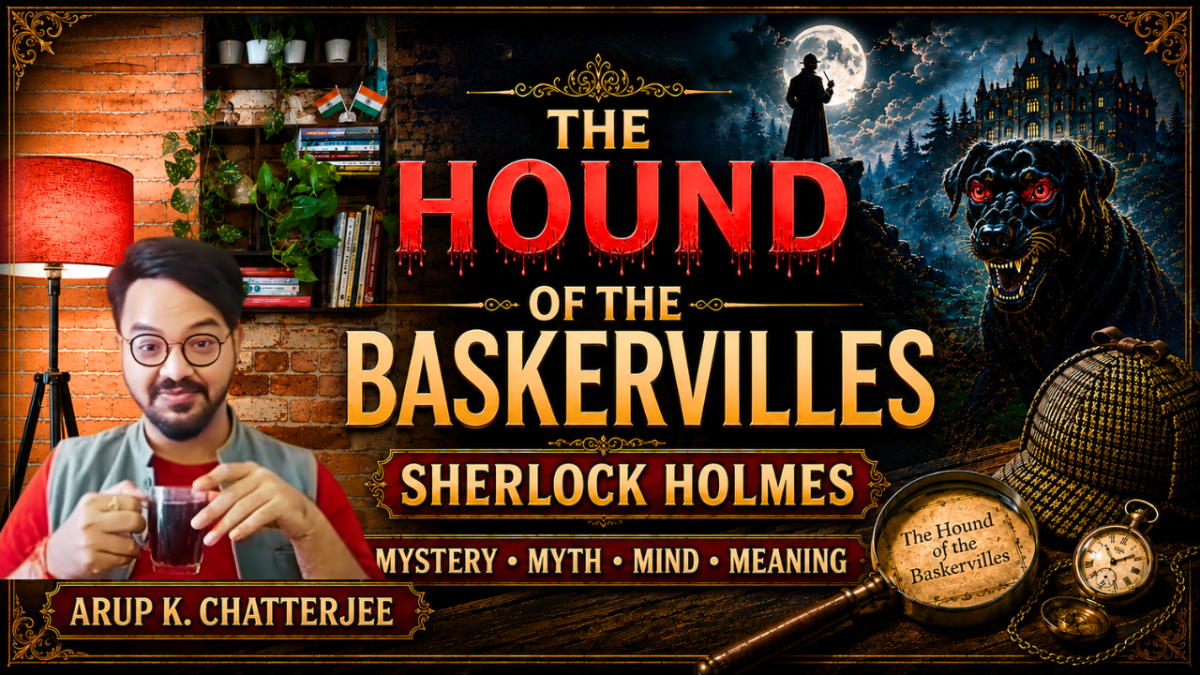
The Psychology of The Hound of the Baskervilles
The content reflects on the author’s profound connection with “The Hound of the Baskervilles,” emphasizing its intricate themes beyond mere detective fiction. It explores the philosophical and allegorical dimensions, particularly concerning perceptions of supernaturalism and materialism, while drawing parallels to other literary works, notably Satyajit Ray’s “Sonar Kella.”

Inglourious Basterds and the Question of Evil
In Christoph Waltz’s portrayal of Colonel Hans Landa in Inglourious Basterds, he suggests that “nobody believes they are evil,” echoing Hannah Arendt’s ideas on the banality of evil. The film explores how history transforms into a theatrical narrative, questioning the erasure of the Apaches and highlighting Hollywood’s dominance as a storytelling medium.
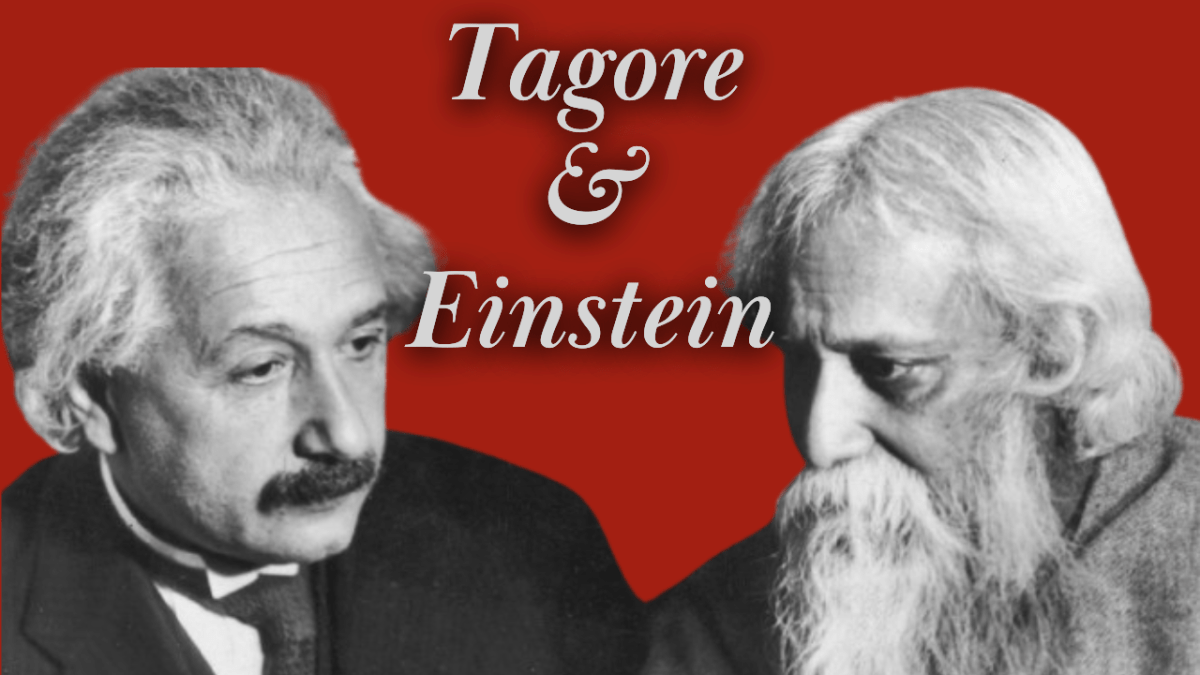
Tagore, Science, and Einstein | Arup K. Chatterjee and Sudip Patra
The conversation between Arup K. Chatterjee and Sudip Patra explores Rabindranath Tagore’s integration of science with his artistic and political thought. They highlight Tagore’s early exposure to scientific ideas, his reflections on nationalism, and contrasts with figures like Einstein and Gandhi, emphasizing his enduring relevance and the necessity of interdisciplinary dialogue.
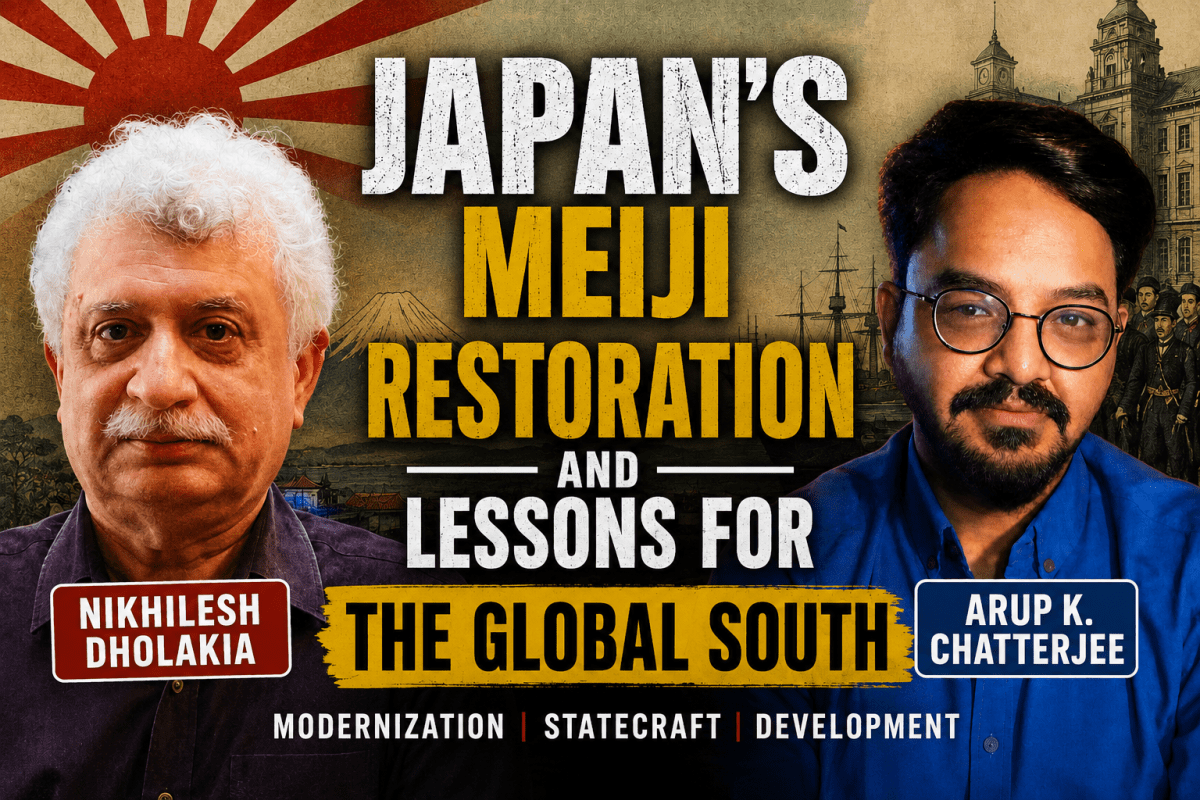
Lessons for India from Japan’s Meiji Restoration | Nikhilesh Dholakia and Arup K. Chatterjee
The episode of The Unofficial Seminar features Arup K. Chatterjee and Professor Nikhilesh Dholakia discussing the Meiji Restoration’s significance. Dholakia explores Japan’s transformation from Tokugawa feudalism to a modern state, emphasizing eclectic borrowing from various foreign models. The discussion draws parallels to India and suggests lessons for the Global South regarding development and cultural adaptation.

John Lang | An Anglo-Indian Barrister Who Fought Against the British Empire | Arup K. Chatterjee with Amit Ranjan
This podcast features a conversation between Arup K. Chatterjee and Amit Ranjan, exploring the life of writer John George Lang in Mussoorie. They discuss Lang’s literary contributions, his influence on Victorian narratives, and his engagement with colonial society. The episode emphasizes Lang’s lasting legacy, linking history, memory, and literary exchange.

Dietrich Bonhoeffer: Evil and Stupidity
Dietrich Bonhoeffer, a German theologian and anti-Nazi dissident, highlighted the dangers of sociopolitical stupidity in his writings, especially in “Letters and Papers from Prison.” He argued that stupidity can enable evil actions and manipulation more effectively than malice, underscoring the necessity of critical thinking and discernment in society.
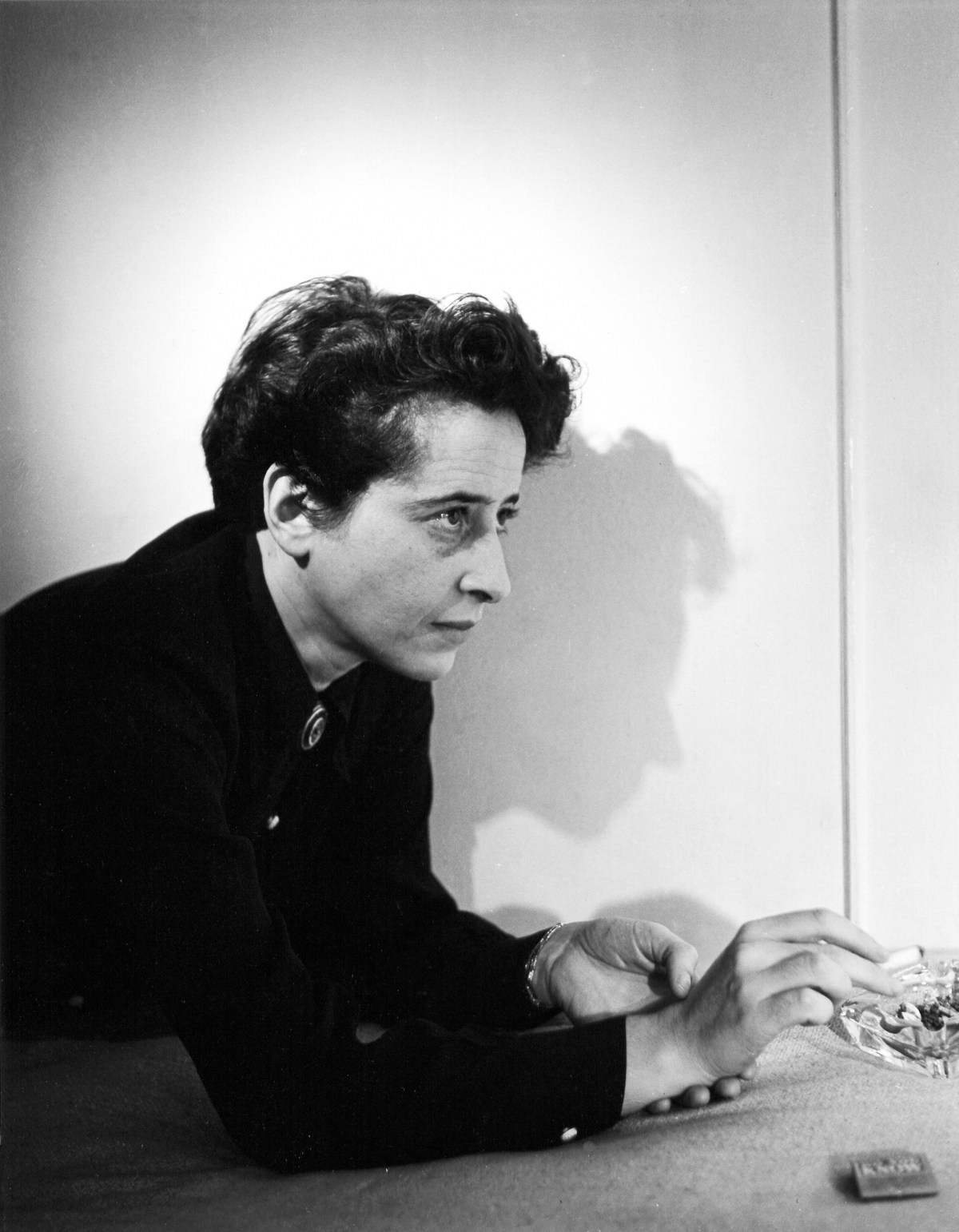
Hannah Arendt: The Banality of Evil
Hannah Arendt’s concept of “the banality of evil” emerged from her observations during the trial of Nazi official Adolf Eichmann, suggesting that ordinary individuals can commit horrific acts through thoughtless bureaucracy. Critics argue this perspective may downplay the true monstrosity of evil, highlighting how modernity renders the ordinary potentially menacing and oppressive.

Mughal-e-Azam
In the mid-1970s, a man reluctantly watched the iconic film Mughal-e-Azam, despite dismissing its popularity. Initially skeptical, he became captivated, watching it multiple times. Over time, audiences recognized the film’s historical inaccuracies, acknowledging it as a remarkable work of fiction rather than a genuine historical account.
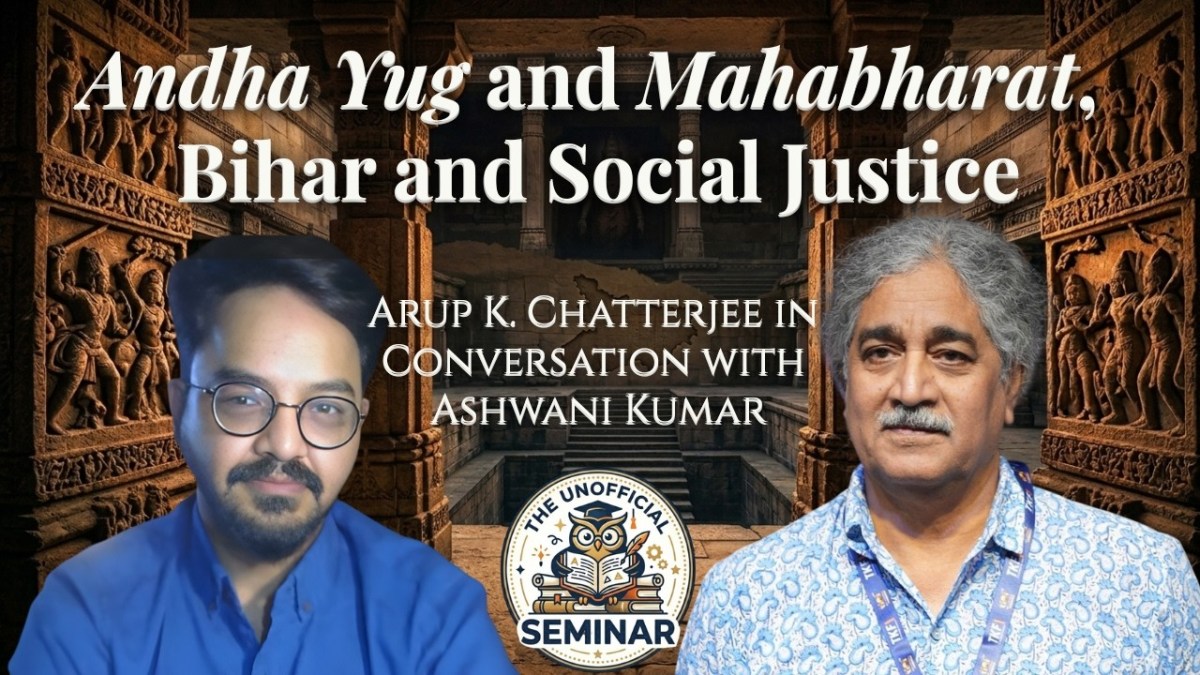
Andha Yug and Mahabharat | Bihar, Caste Census, Women’s Welfare | Arup K. Chatterjee in Conversation with Ashwani Kumar
Dr. Arup K. Chatterjee interviews Professor Ashwani Kumar about literature, war, and social history. They discuss the metaphor of blindness in Bharati’s play, Andha Yug, linking it to contemporary conflicts and moral crises. Kumar emphasizes the importance of honest engagement with war and highlights Bihar’s rich intellectual heritage amid social challenges.
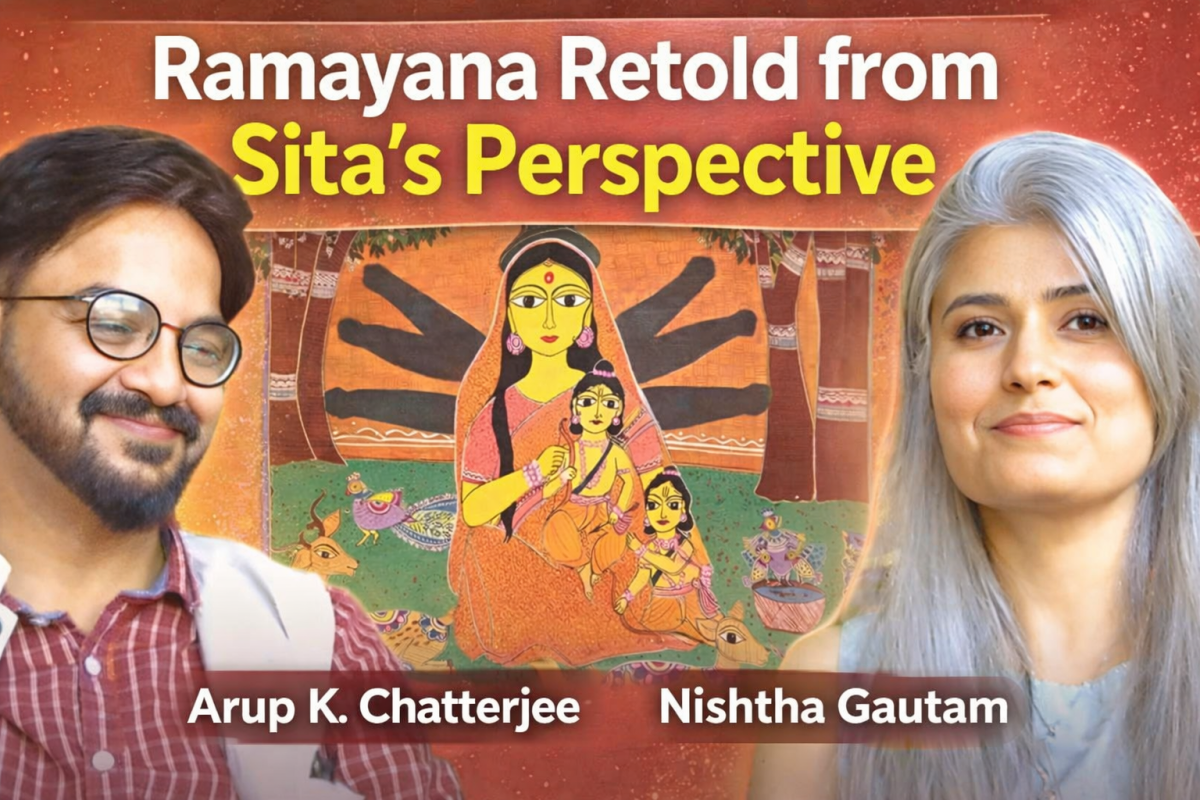
Ramayana Retold from Sita’s Perspective | Sita’s Veil (“Trina Dhari Ot”) | Arup K. Chatterjee with Nishtha Gautam
This podcast episode features a sensitive discussion between Dr. Arup K. Chatterjee and translator Nishtha Gautam about Anamika’s Hindi text, “Sita’s Veil.” They explore themes of translation, literary kinship, and the multifaceted nature of Sita within the Ramayana, emphasizing her agency and the epic’s cultural relevance amidst contemporary discourse.

India in the 1990s | Culture, Television, Consumerism, and the Everyday | Arup K. Chatterjee and Amit Ranjan
The podcast discusses the enduring impact of the 1990s on Indian culture, framing it as a “long 90s” rather than simply a decade. It explores radical changes brought by television, consumer goods, and cultural shifts, illustrating how these influences continue to shape contemporary Indian identity, desire, and media engagement.
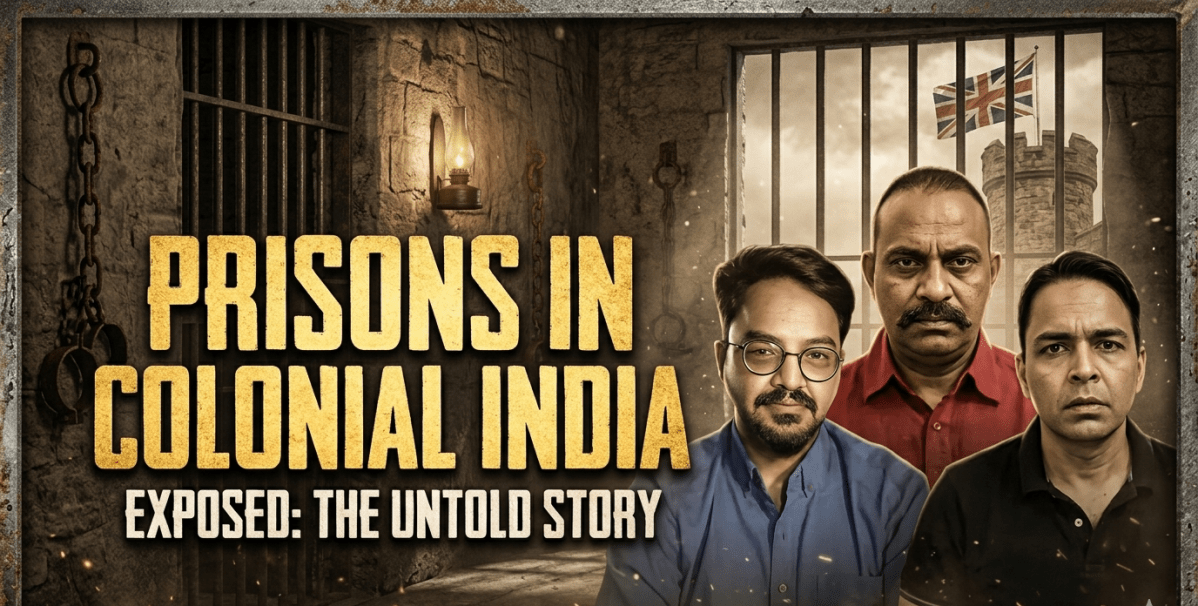
Prisons in Colonial India: Panopticon and Andamans | Arup K. Chatterjee, Amit Ranjan, Nasruddin Khan
In this podcast discussion, historians Arup K. Chatterjee, Dr. Amit Ranjan, and Dr. Nasruddin Khan explore the evolution of prisons, particularly focusing on the nineteenth century and Bentham’s panopticon concept. They examine prisons’ societal roles, the treatment of criminals, and the dynamics of surveillance, along with historical contexts in India and globally.
The Feminist Utopia of “Sultana’s Dream” (1905) | Arup K. Chatterjee and Amit Ranjan
In this inaugural episode of The Unofficial Seminar, Arup K. Chatterjee and Amit Ranjan discuss Rokeya Sakhawat Hossain’s short story, Sultana’s Dream. They explore its significance as an early feminist sci-fi work, its influences, and the relationship between women and science, while considering literary and historical contexts within colonial India.
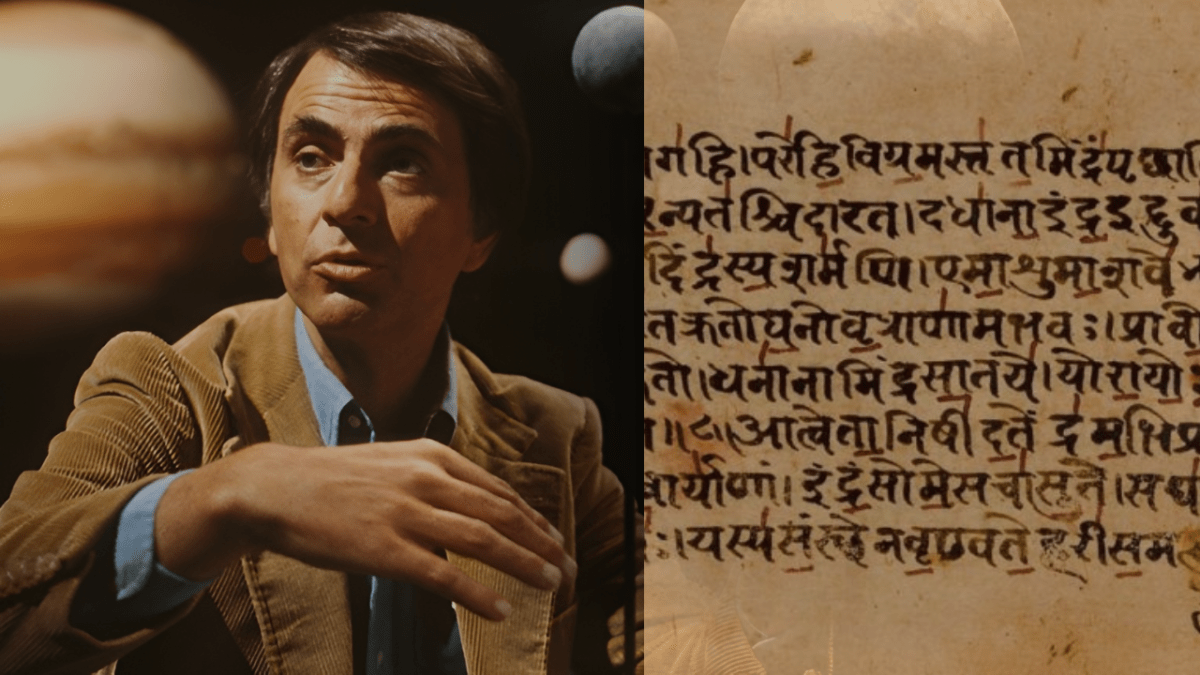
Carl Sagan on the Rig Veda | Nasadiya Sukta to Astronomy | Legends of Vedanta #2
Carl Sagan’s admiration for the ancient Rigveda hymn, the Nasadiya Sukta, highlights a shared inquiry into existence. Both Sagan and the hymn embrace skepticism, humility, and the importance of questioning. Their dialogue across time emphasizes that mystery and doubt are essential to knowledge, fostering a spirit of curiosity and respectful exploration.
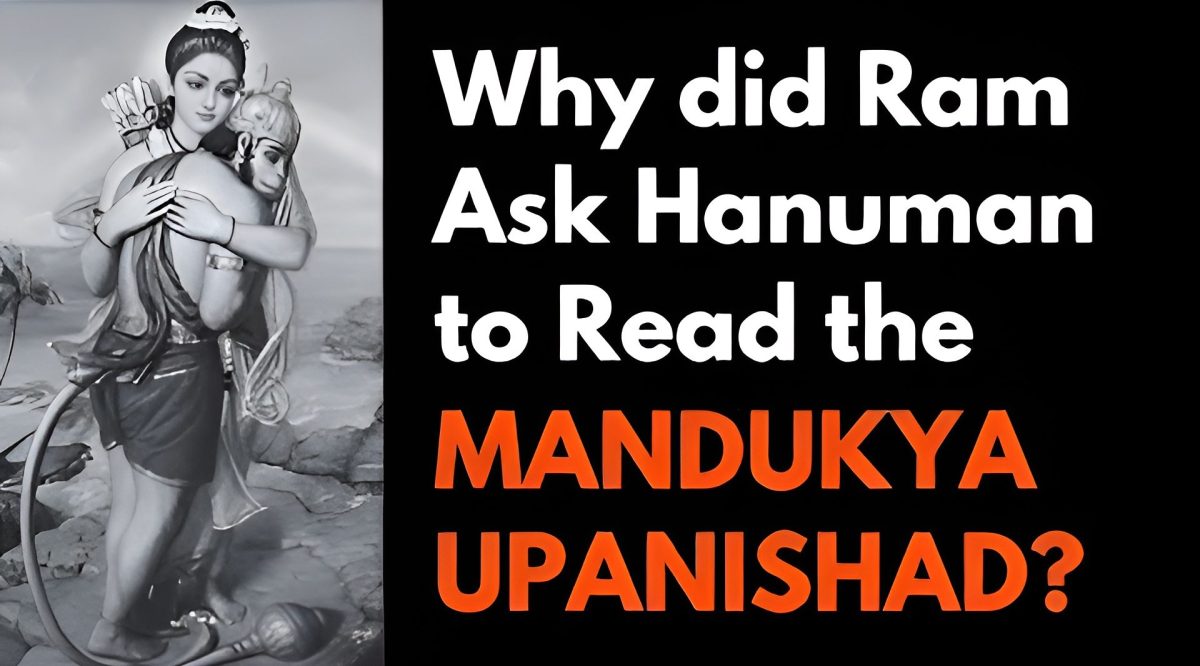
When Ram Asked Hanuman to Read the Mandukya Upanishad | Legends of Vedanta #1
The segment “Legends of Vedanta” explores the Vedantic tradition, emphasizing that true understanding transcends rituals and dogma. It shares stories, including one about Hanuman and a lesson from Sage Ashtavakra regarding King Janaka’s dream, highlighting the core message: our self-awareness is the only absolute truth in the Vedantic philosophy.
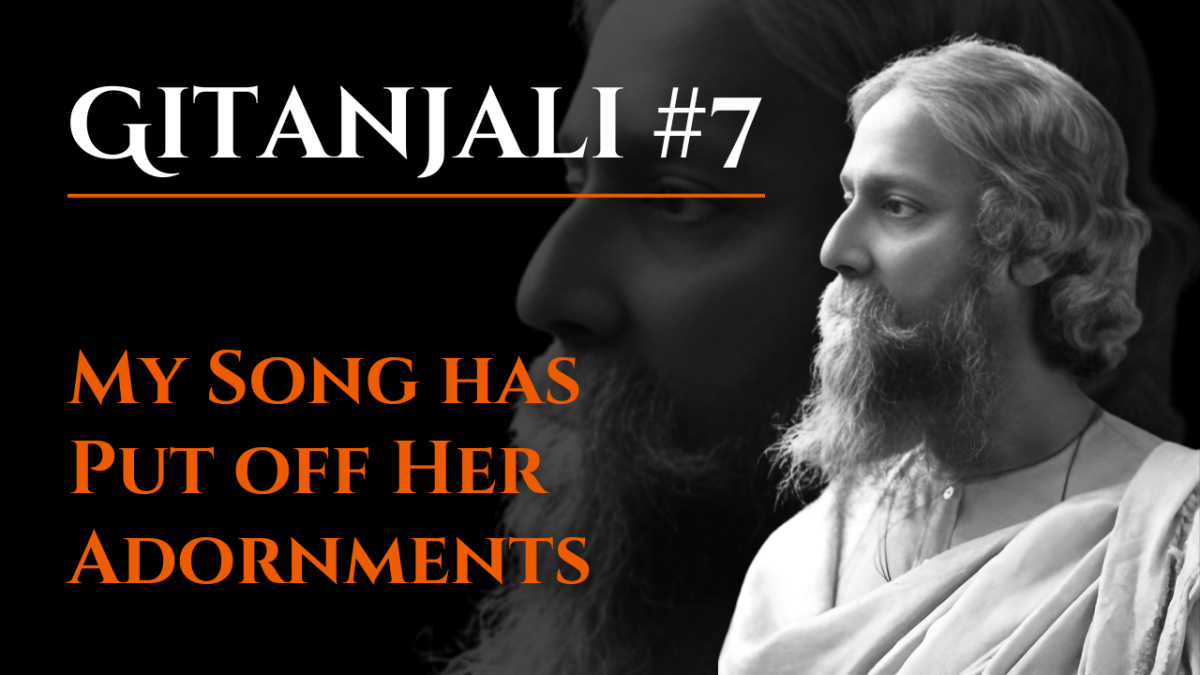
My Song Has Put Off Her Adornments | Gitanjali #7 | Rabindranath Tagore
The seventh poem of Gitanjali emphasizes simplicity and receptivity. The speaker seeks intimacy by shedding vanity, presenting a humble self that embodies a flute, ready to receive another’s breath. This act of devotion prioritizes being a conduit for music over seeking applause, celebrating the beauty of being a prepared vessel for connection.
Something went wrong. Please refresh the page and/or try again.
 Arup K. Chatterjee