
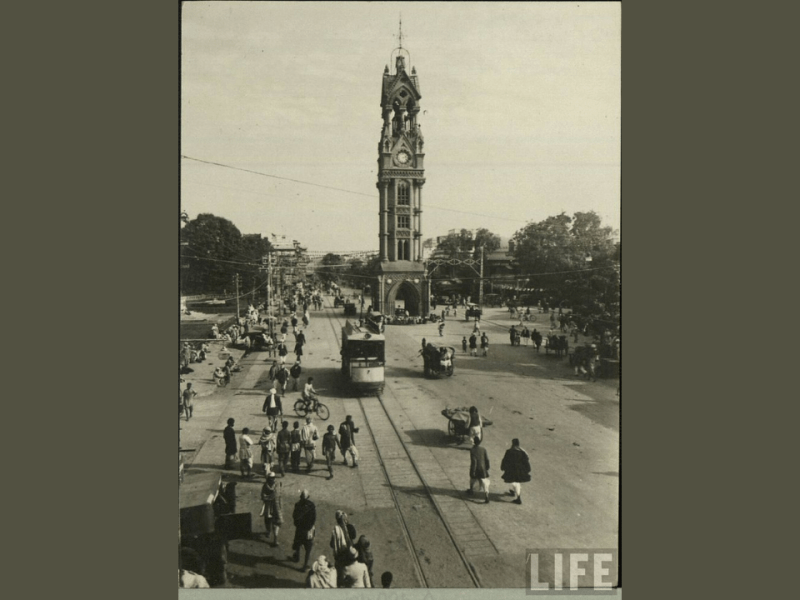
Ghazal for Delhi
The poem reflects on the multifaceted nature of Delhi, mixing imagery of dreams and culinary delights with historical references. It contrasts romanticized visions of the city, like moonlit Taj Mahals, with the stark reality symbolized by tombstones. The speaker acknowledges the passage of time and the inevitability of change in relationships.

Ghazal for the Archives
The ghazal reflects on the hidden truths and historical injustices preserved in an archive. It addresses the forgotten voices of the past, such as Bahadur Shah Zafar, while critiquing those who ignore meaningful history. The archive is depicted as a place of relics, silence, and the preservation of lost convictions and identities, that the elite…
Ghazal for Things that Came Down as Rain
The ghazal reflects deep emotional turmoil, using rain as a metaphor for memories and lost connection. It highlights themes of love, pain, and change, portraying a sense of longing for the past amidst a transformed world. The imagery of ash and smoke illustrates profound sorrow and the fleeting nature of time.

Ghazal | Koi Gham Ki Surat Kya Jaane | कोई ग़म की सूरत क्या जाने
The poem explores themes of loss, identity, and conflict, reflecting on personal and global struggles. It captures the essence of nostalgia and the complexity of human emotions. The juxtaposition of beauty and despair reveals a profound yearning for understanding amidst societal masks, blending past memories with contemporary issues.

Ghazal for Things Withered Away
The ghazal reflects a series of observations on the decline of vitality and significance in various aspects of life, including community, spirituality, personal health, and societal judgment. Each vignette illustrates how the essence of beauty, miracles, and meaning diminishes over time, highlighting a pervasive sense of loss and disillusionment.
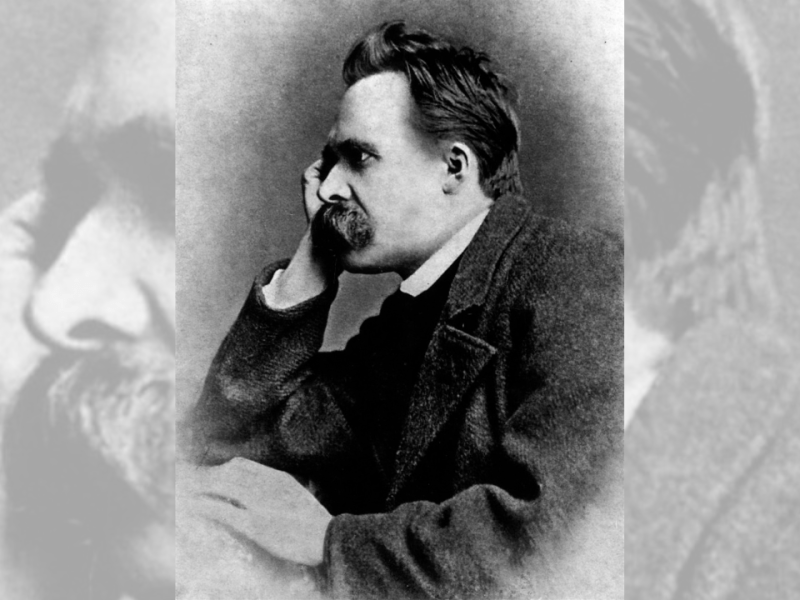
Ghazal for Nietzsche … Perhaps …
The ghazal reflects on the passage of time marked by marriage, family, and the evolution of language and culture. It explores themes of lost connection and the superficiality of love, questioning societal preferences and the value of art amidst existential despair. The narrator seeks guidance through life’s complexities.

Ghazal for the Sound of ‘Ore’
A friend, embodying a scientist, transforms into a poet, reflecting on themes of existence and the nature of reality. He contemplates quantum concepts, personal identity, and truth’s weight in a world of endless mysteries. The piece weaves together insights from mathematics and mysticism, urging thoughtful exploration of life’s profound questions.

Ghazal for the Metres
The poem explores themes of creativity and societal dynamics through clever wordplay and metaphors. It juxtaposes modern poetry with structured language, delving into national pride, communication, conflict, and personal reflections. The poet intertwines humor and insight, evoking a sense of curiosity about the world and its underlying tensions.

Ghazal for Declarations of War
The ghazal reflects on historical and philosophical themes regarding conflict and love, questioning the motivations for declaring war. It suggests that understanding, funding, and peace awards are necessary prerequisites for such drastic actions, contrasting the weighty decisions tied to love and mythology with the impulse to engage in combat.

Ghazal for Hidden Things
A contemporary English ghazal in six couplets, built around the refrain “stay hidden.” The poem moves between satire, elegy, and urban wit, with themes of commerce, mortality, plastic modernity, algorithmic distortion, and compromised wisdom. Its tone is ironic yet mournful, with a sharply civic, philosophic, and lightly comic intelligence throughout.
Ghazal for Things Withdrawn
The speaker expresses deep emotional turmoil and longing, claiming that their desires, aspirations, and perceptions have all diminished since their beloved entered their life. They can no longer divert their gaze, reveal truths, or maintain connections, highlighting a profound sense of isolation and devotion stemming from this intense relationship.

Ghazal for Things that See Through
We see the world through windows, or do they see through us? Does love cease to be love, when lovers see through us? Dying plants become the soil; soils dye into stones; When we die, do plants, and soils, and stones see through us? Flowers of spring come each year, like loans from dying Keats:…

Ghazal for Things That Stayed Alone
The poem reflects on solitude amidst human actions and emotions. It portrays how individual entities—books, shadows, idols, candles, ghazals, and even laughter—remain solitary despite the surrounding chaos and expressions of faith or sorrow. Ultimately, it underscores the enduring nature of isolation even in collective experiences.
Ghazal for What Will Be
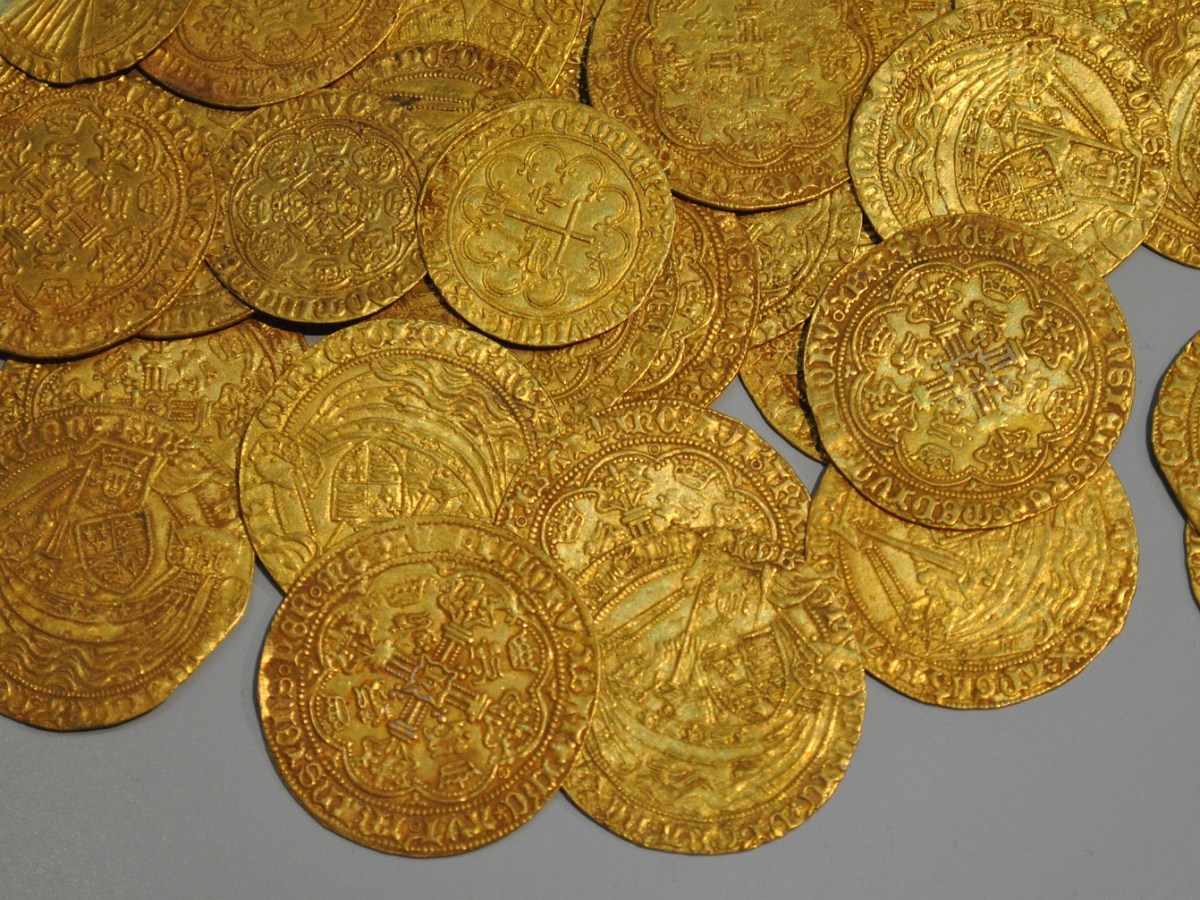
The text reflects on existential themes, exploring concepts of time, life, death, and the nature of existence. It contemplates the significance of friendship and the challenges of war, referencing mystics and their insights. The imagery evokes a sense of inevitability about life’s cycles and the fleeting nature of hope and reality.
Ghazal for Broken Promises
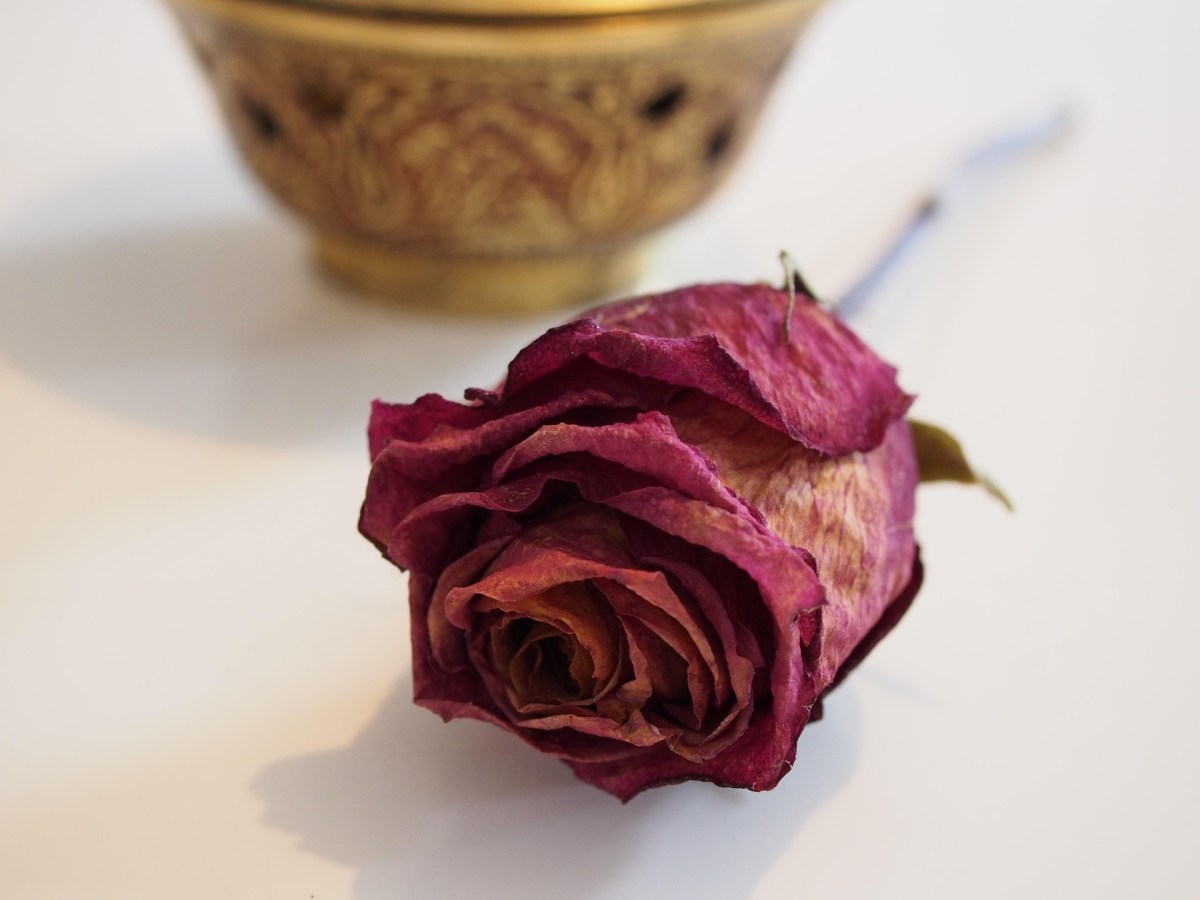
The poem reflects on a landscape filled with broken promises, highlighting vivid imagery of mundane life intertwined with emotional struggles. It juxtaposes daily activities and memories with a sense of loss and disappointment. Symbols like coffee stains, crumbling cities, and fading relationships emphasize a pervasive sense of unfulfilled hopes and dreams.

Ghazal for Forgotten Things
The poem reflects on lost memories and forgotten connections amidst the weight of possessions. It explores themes of exile, forgotten love, and the fading significance of shared moments. Through rich imagery, it contemplates the ephemeral nature of relationships and the remnants of past joys overshadowed by time and distance.
Ghazal for Forbesganj
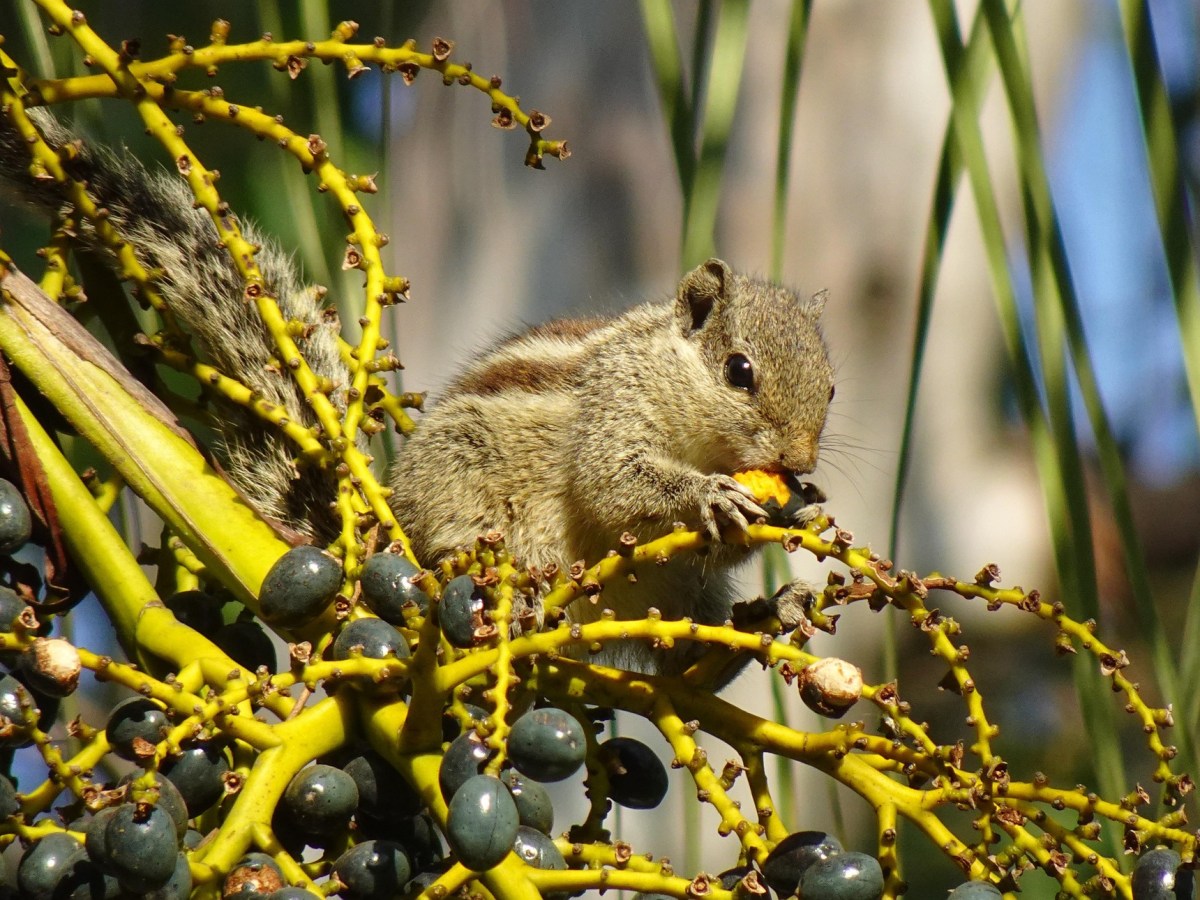
The poem explores the deep connection between love and memory, capturing moments tied to nature and childhood. It reflects on the fragrance of old memories, the warmth of family, and the essence of seasons, illustrating how these elements intertwine with the beloved’s presence, evoking nostalgia and intimacy in a vivid, emotional landscape.

Ghazal for the Nameless | #2
At such an age, Aaftaab has descended from its throne; Its light decrees not winter’s passion; just the crackle of brittle old bones.
Ghazal for the Nameless
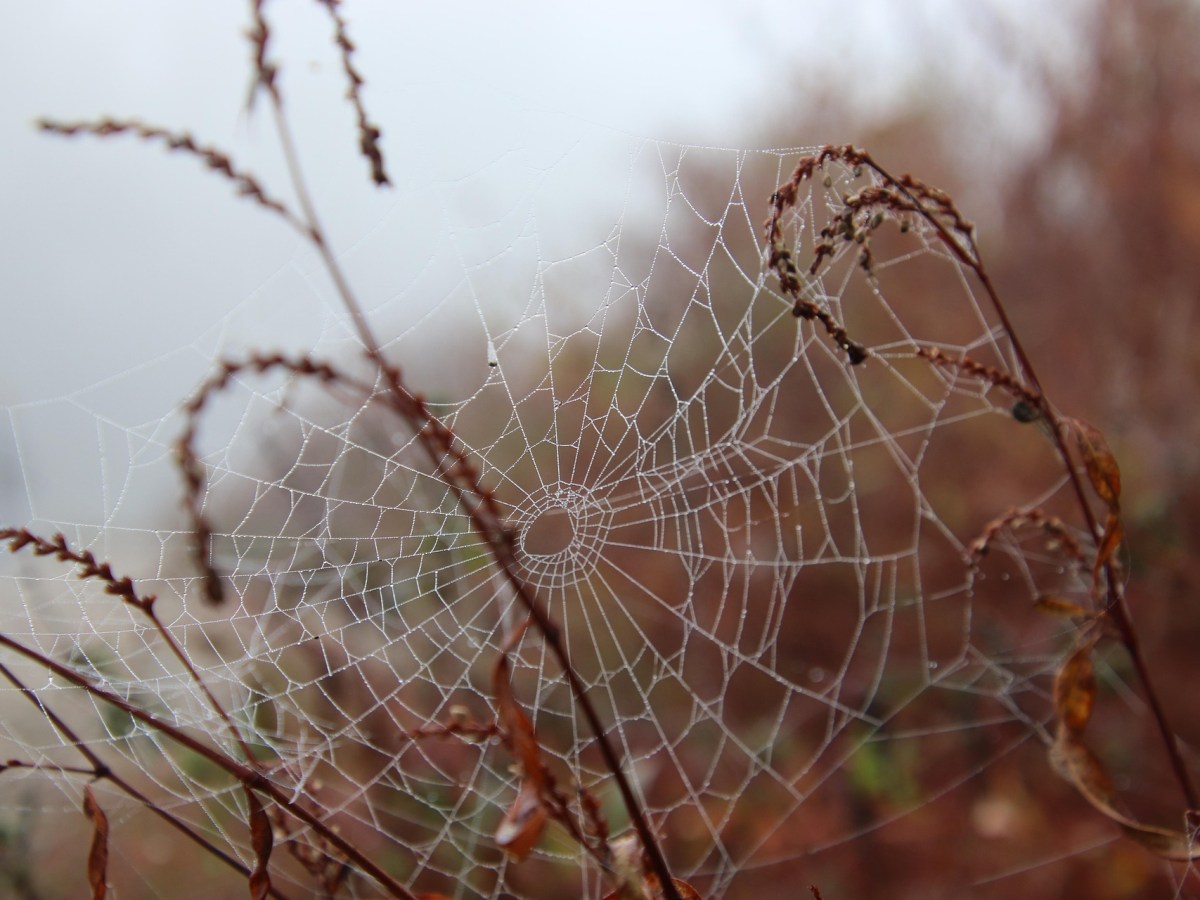
The ghazal explores themes of disillusionment and loss. The speaker critiques superficial connections and the ineffectiveness of various societal roles, from poetry to nursing. References to historical figures and cultural symbols illuminate a deeper sense of yearning and abandonment, suggesting that despite appearances, many cherished things are ultimately unfulfilled or inadequate.
 Arup K. Chatterjee