
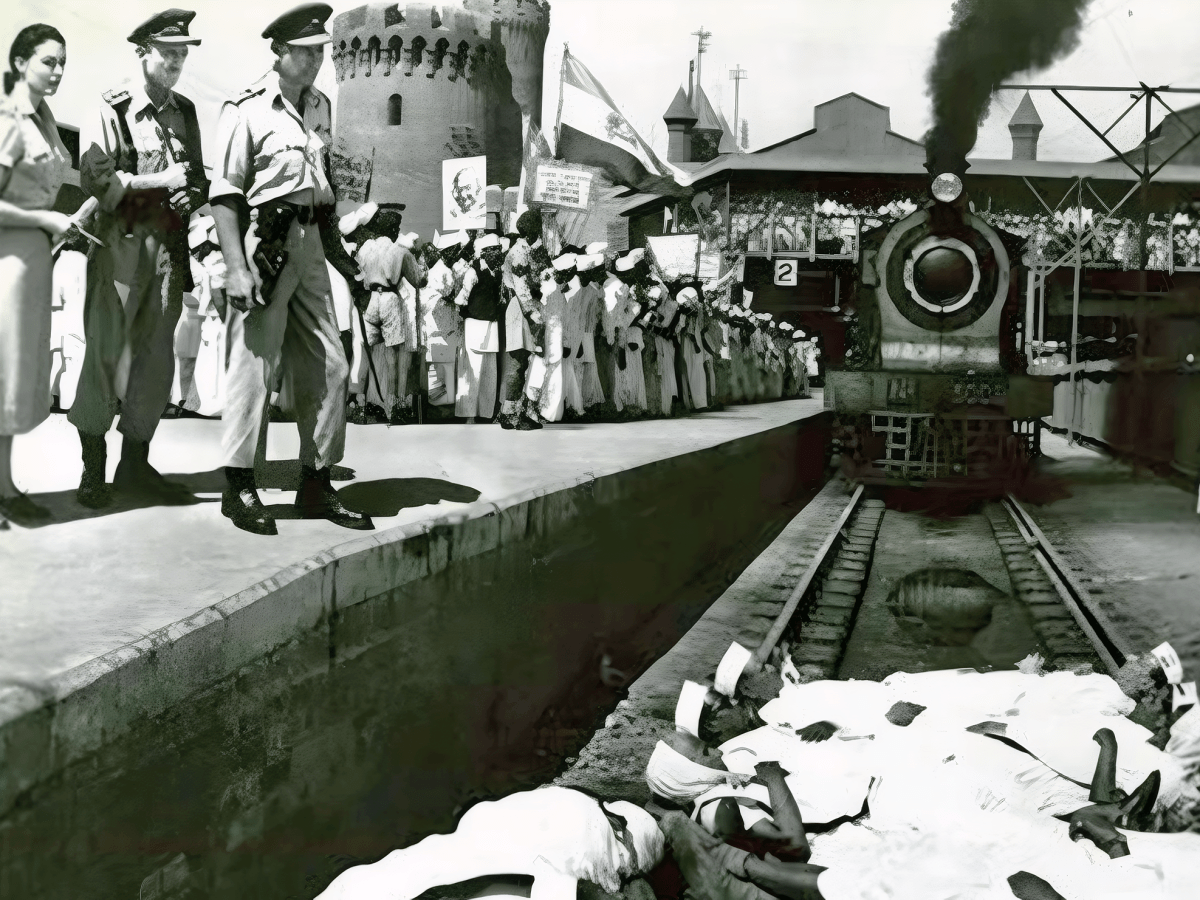
The Railways Did Not Do For India What They Did Elsewhere
The Indian railways, established under British colonial rule, became vast yet remained largely unindustrialized, serving imperial interests more than local development. Despite substantial investments, the system faced inefficiencies and high costs. While it transformed trade and linked regions, it also deepened dependence on Britain and failed to foster a self-sustaining economy.

The Indian Railways are Kaleidoscopes into Indian History
The Indian Railways, a significant symbol of national history, intertwines with Indian cinema and culture, reflecting the nation’s social complexities and identity. From its inception in 1853 to its portrayal in films, railways are depicted as links between communities, dreams, and transformative experiences, influencing narratives across various genres.
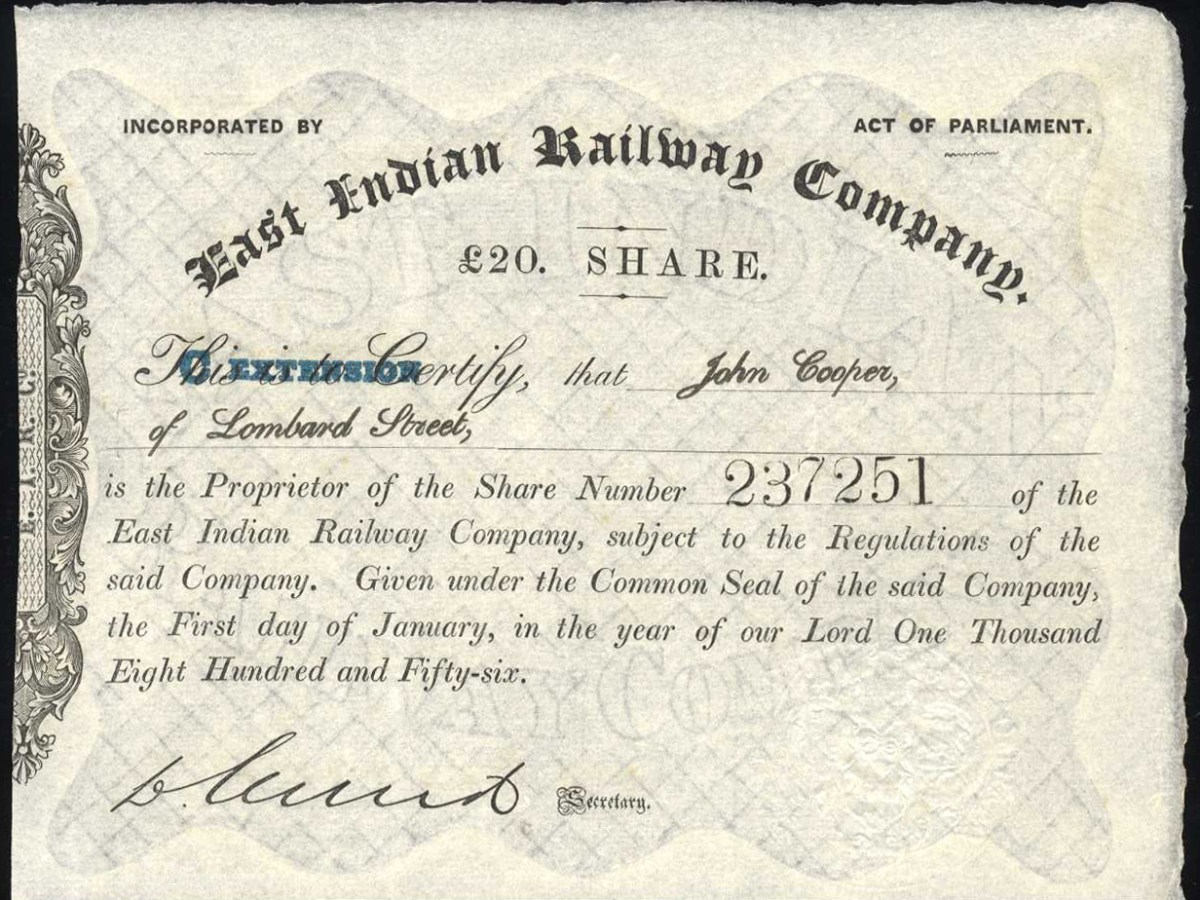
From Calcutta to Delhi: The Making of the Upper India Railway in 1853
On July 30, 1853, The Illustrated London News announced a meeting regarding the Upper India Railway’s merger with the East Indian Railway Company. This integration aimed to unify the railway network from Calcutta to Delhi, highlighting the collaboration between state power and private capital while reflecting colonial ambitions for infrastructure and control across India.
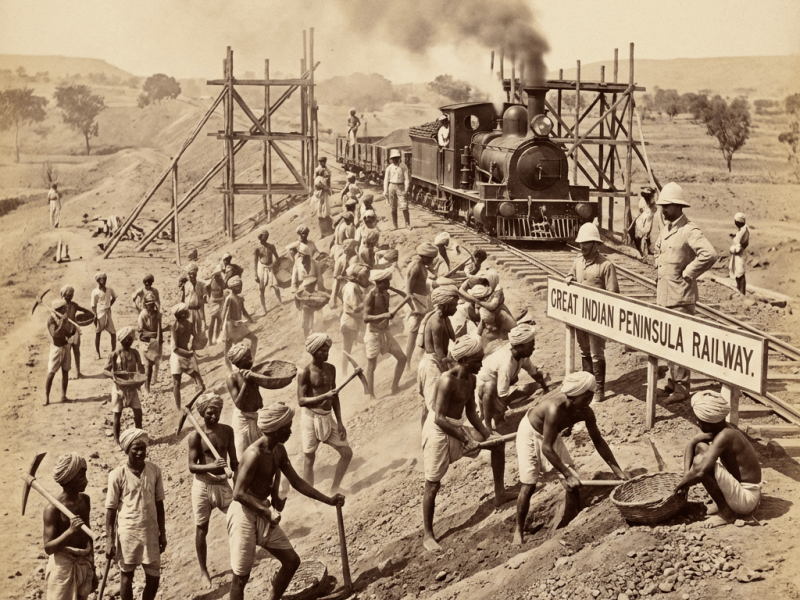
Indian Railways in the Imperial Imagination | On an Article in The Illustrated London News of March 1871
On March 4, 1871, The Illustrated London News discussed plans to connect European railways with the Indian Railways via a route through Turkey and Persia. The article emphasized the necessity of unbroken communication for effective governance, viewing railways as vital for imperial control and economic integration, with India positioned as the eastern endpoint.
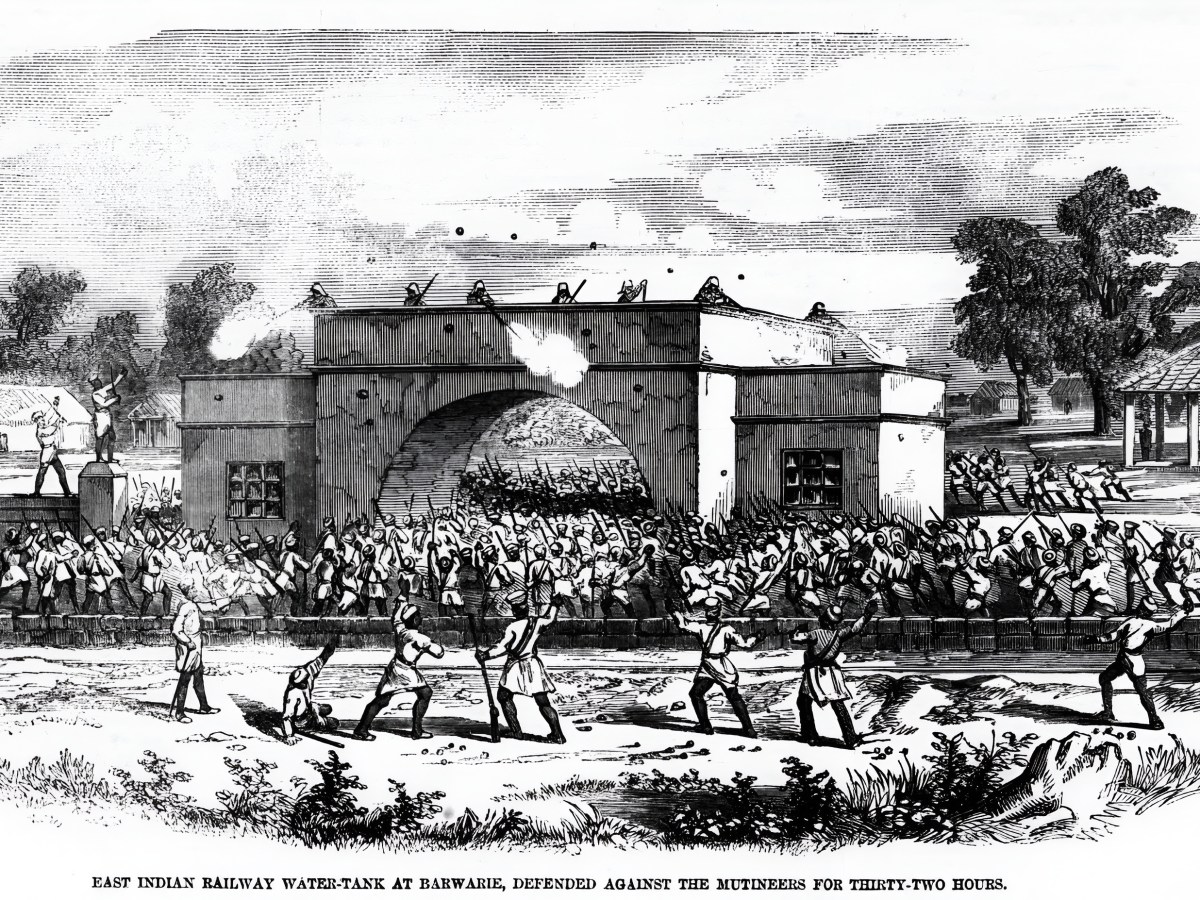
A Railroad Under Siege: What the Uprising of 1857 did to the Indian Railways and British Empire
The connection between the First War of Independence (1857) and the Indian Railways was paradoxical, and therefore deeply revealing. The railways did not merely suffer from the upheaval of 1857, even though they certainly did. The railways were also remade by it, in ways that tied commerce, transport, and empire more tightly together than before.…
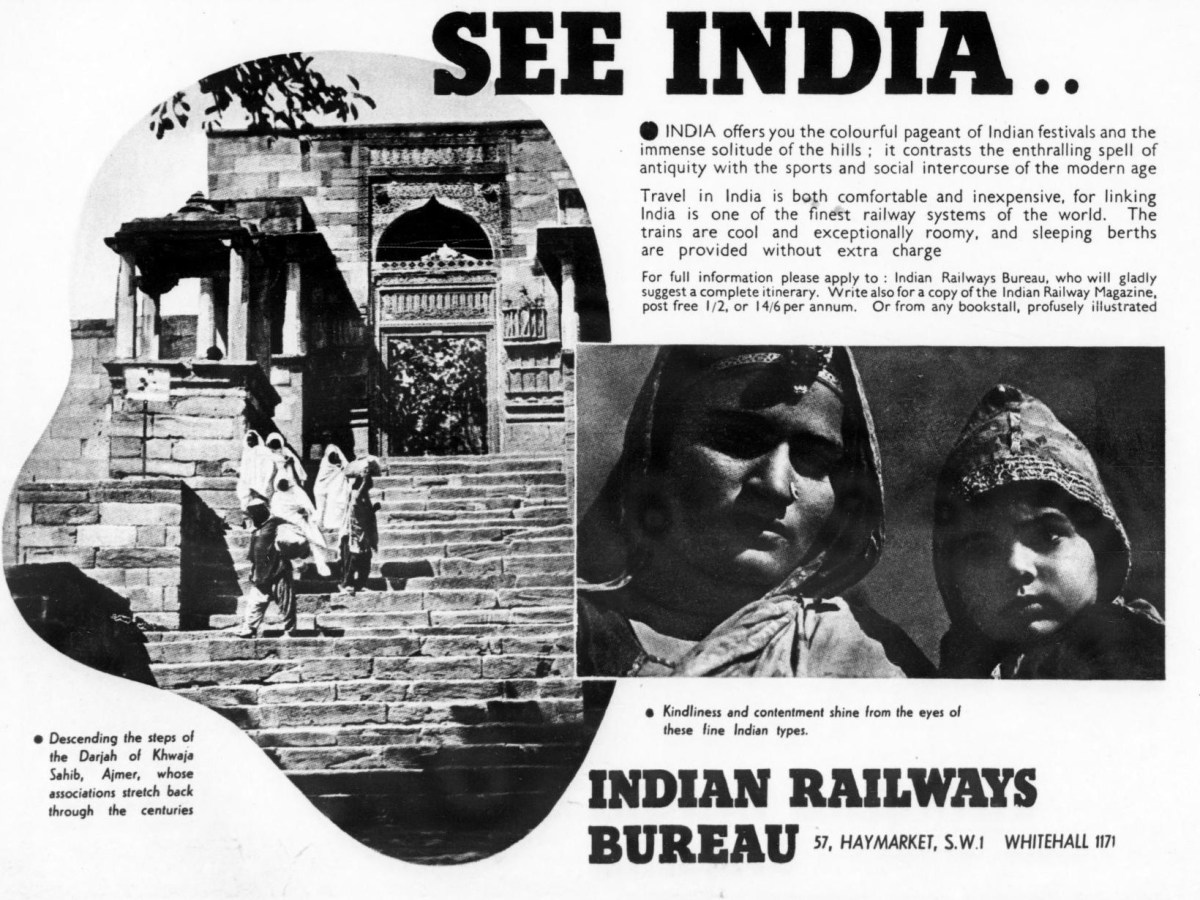
India on Imperial Railways: Colourful Pageants and Indian Festivals
The 1937 advertisement by the Indian Railways Bureau in the Illustrated London News portrays India as an accessible spectacle of culture and comfort for British travelers. Through a collage of monuments and human faces, it evokes imperial confidence, presenting travel as both an adventure and a leisure activity facilitated by colonial infrastructure.
 Arup K. Chatterjee