

Is There Something Deeply Wrong in the Present Culture of “Detecting” Artificial Intelligence in the Literature?
Self-appointed sleuths are detecting machine-work through the use of a machine, and then claiming, as a human being, to be laying down the humane ethical principles of what good human writing is and what it is not. So tell me — who is actually using generative AI? The author, or the detector?

Will Self: The Last “White Man” Walking
I have been furtively googling Will Self over the last month. And those who should know Will Self, will know why so! And I have been recollecting how far we go back. Will Self and I do go back a long way or, rather, as I must clarify, it is I who go back a…

On Suffering | Or How Do We Overcome Our Pain?
The essay emphasizes that psychological suffering is a universal experience, linking feelings of pain and abandonment to our shared humanity. It suggests this suffering, while seemingly isolating, ultimately reconnects us to the world and the cosmos. Recognizing this connection can lead to healing oneself and, in turn, helping others.
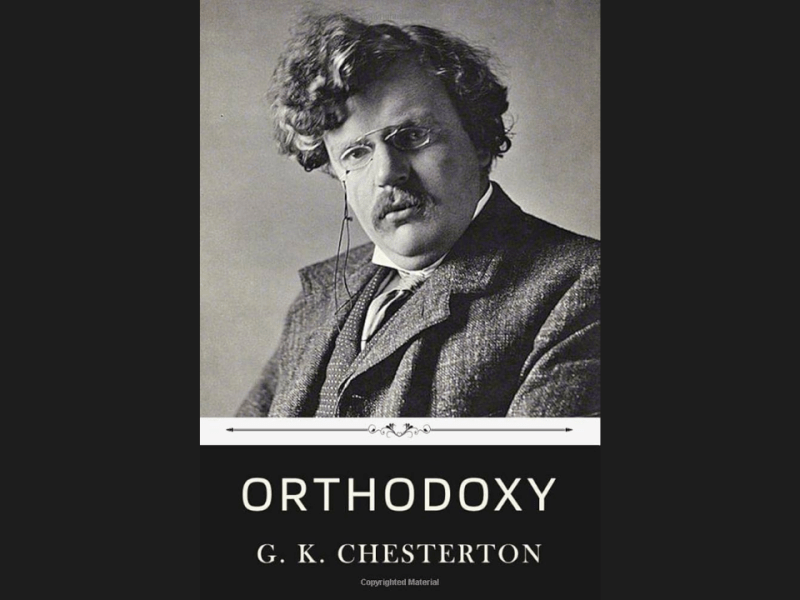
On G.K. Chesterton and the “Gigantic Secret” of Joy and Humility
G.K. Chesterton’s “Orthodoxy” critiques modernity’s loss of joy and humility, contrasting it with the genuine spirit of Christianity. He denounces pretension and celebrates the simple joys of existence, lamenting society’s taboo against humility. Chesterton’s insights reflect a longing for authentic human experience amidst the superficiality of contemporary life.

Ressentiment and the Refusal of Recognition
Friedrich Nietzsche’s concept of ressentiment describes the emotions of the less privileged towards the powerful. Max Scheler expanded this idea, asserting that ethics arise from lived experiences and values, not abstract rules. He emphasized how societal dynamics foster envy and moral depreciation, leading to unrecognized talent being disdained by those threatened by it.
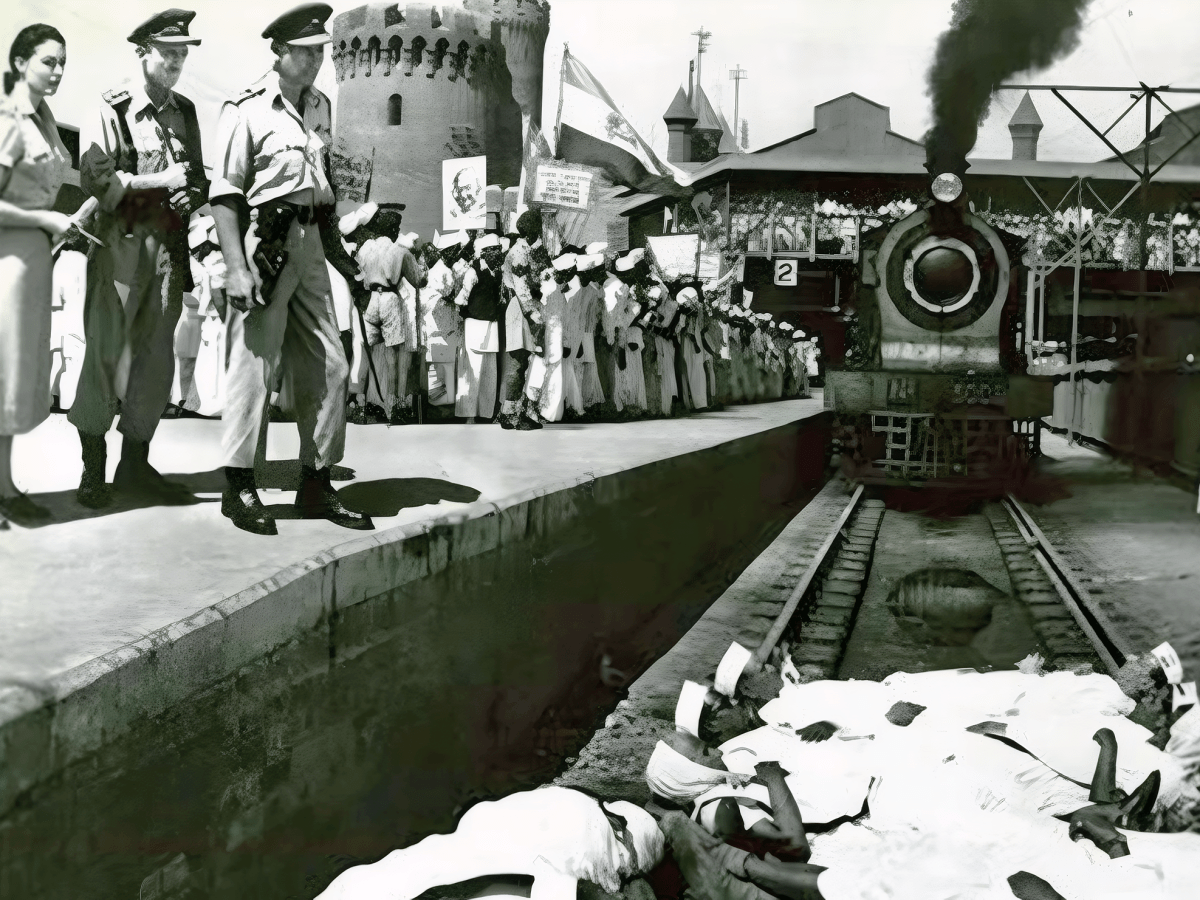
The Railways Did Not Do For India What They Did Elsewhere
The Indian railways, established under British colonial rule, became vast yet remained largely unindustrialized, serving imperial interests more than local development. Despite substantial investments, the system faced inefficiencies and high costs. While it transformed trade and linked regions, it also deepened dependence on Britain and failed to foster a self-sustaining economy.
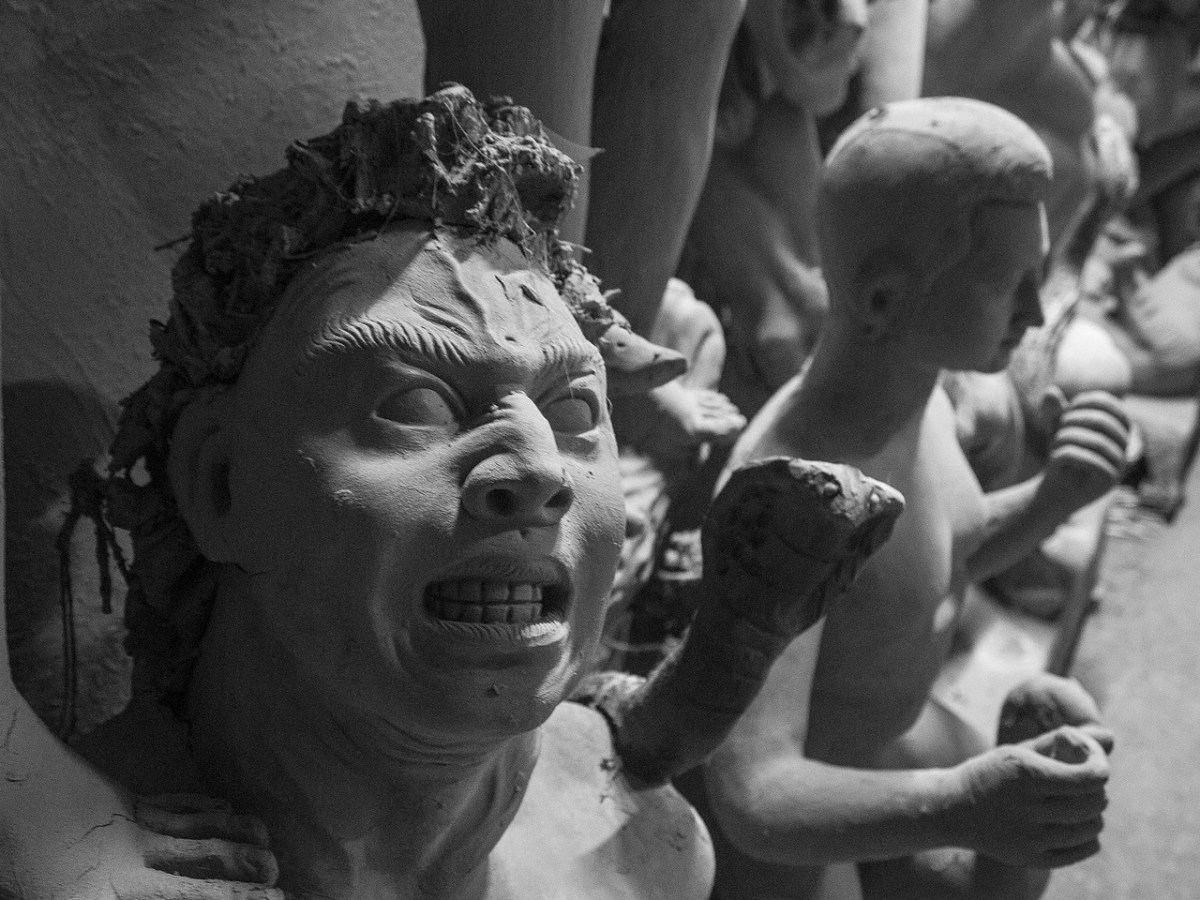
What is Cultural History? How is it Different from Other Forms of History? Is Cultural History Inferior? Can We Do Without It?
Cultural history explores how societies create meaning through symbols, practices, and institutions, emphasizing language and representation. Distinguished from political and social history, it reveals how power dynamics form through cultural expressions. This approach connects everyday experiences with historical narratives, underscoring culture’s critical role in shaping identities and social structures.
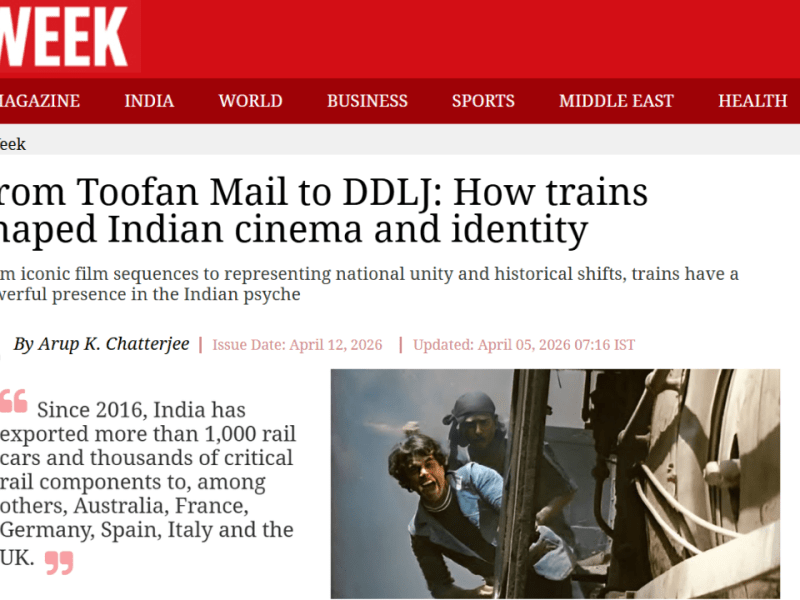
The Indian Railways are Kaleidoscopes into Indian History
The Indian Railways, a significant symbol of national history, intertwines with Indian cinema and culture, reflecting the nation’s social complexities and identity. From its inception in 1853 to its portrayal in films, railways are depicted as links between communities, dreams, and transformative experiences, influencing narratives across various genres.
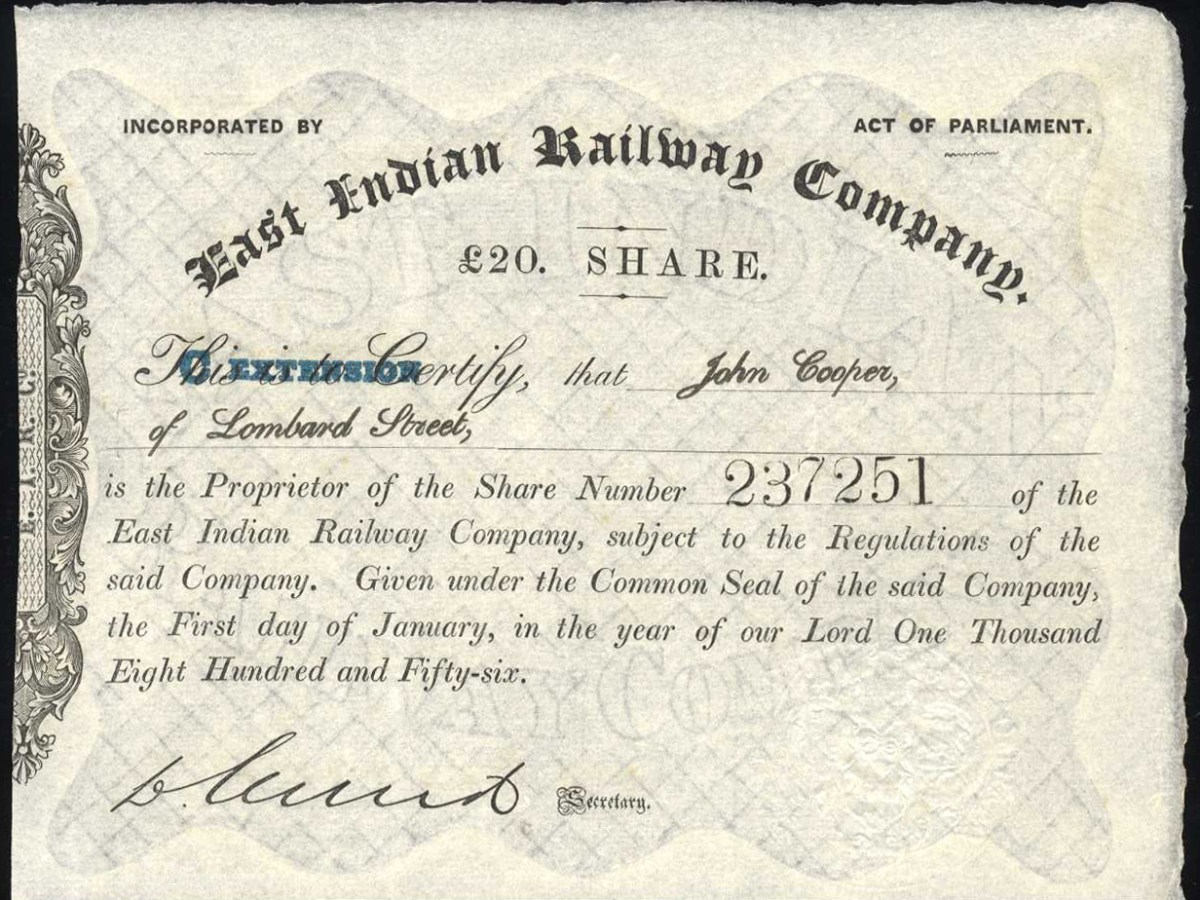
From Calcutta to Delhi: The Making of the Upper India Railway in 1853
On July 30, 1853, The Illustrated London News announced a meeting regarding the Upper India Railway’s merger with the East Indian Railway Company. This integration aimed to unify the railway network from Calcutta to Delhi, highlighting the collaboration between state power and private capital while reflecting colonial ambitions for infrastructure and control across India.
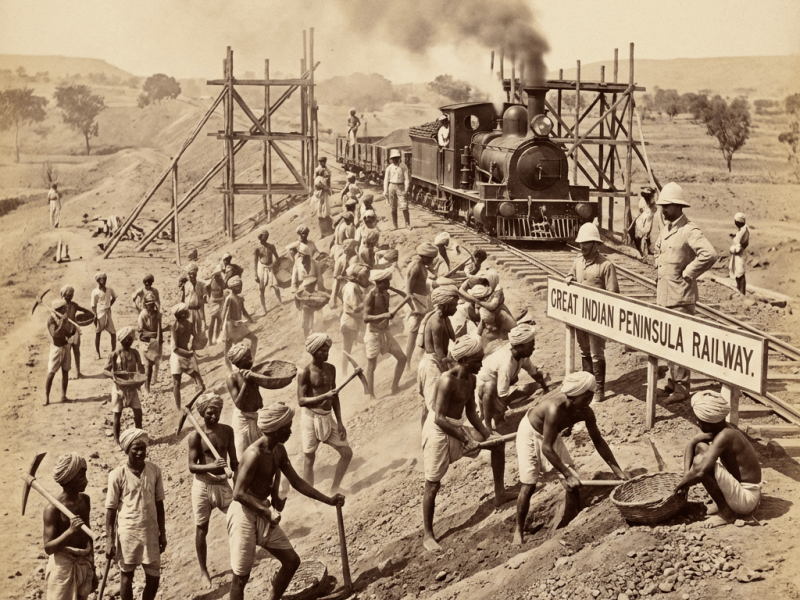
Indian Railways in the Imperial Imagination | On an Article in The Illustrated London News of March 1871
On March 4, 1871, The Illustrated London News discussed plans to connect European railways with the Indian Railways via a route through Turkey and Persia. The article emphasized the necessity of unbroken communication for effective governance, viewing railways as vital for imperial control and economic integration, with India positioned as the eastern endpoint.
Something went wrong. Please refresh the page and/or try again.
 Arup K. Chatterjee