

Is There Something Deeply Wrong in the Present Culture of “Detecting” Artificial Intelligence in the Literature?
Self-appointed sleuths are detecting machine-work through the use of a machine, and then claiming, as a human being, to be laying down the humane ethical principles of what good human writing is and what it is not. So tell me — who is actually using generative AI? The author, or the detector?

Will Self: The Last “White Man” Walking
I have been furtively googling Will Self over the last month. And those who should know Will Self, will know why so! And I have been recollecting how far we go back. Will Self and I do go back a long way or, rather, as I must clarify, it is I who go back a…

On Suffering | Or How Do We Overcome Our Pain?
The essay emphasizes that psychological suffering is a universal experience, linking feelings of pain and abandonment to our shared humanity. It suggests this suffering, while seemingly isolating, ultimately reconnects us to the world and the cosmos. Recognizing this connection can lead to healing oneself and, in turn, helping others.
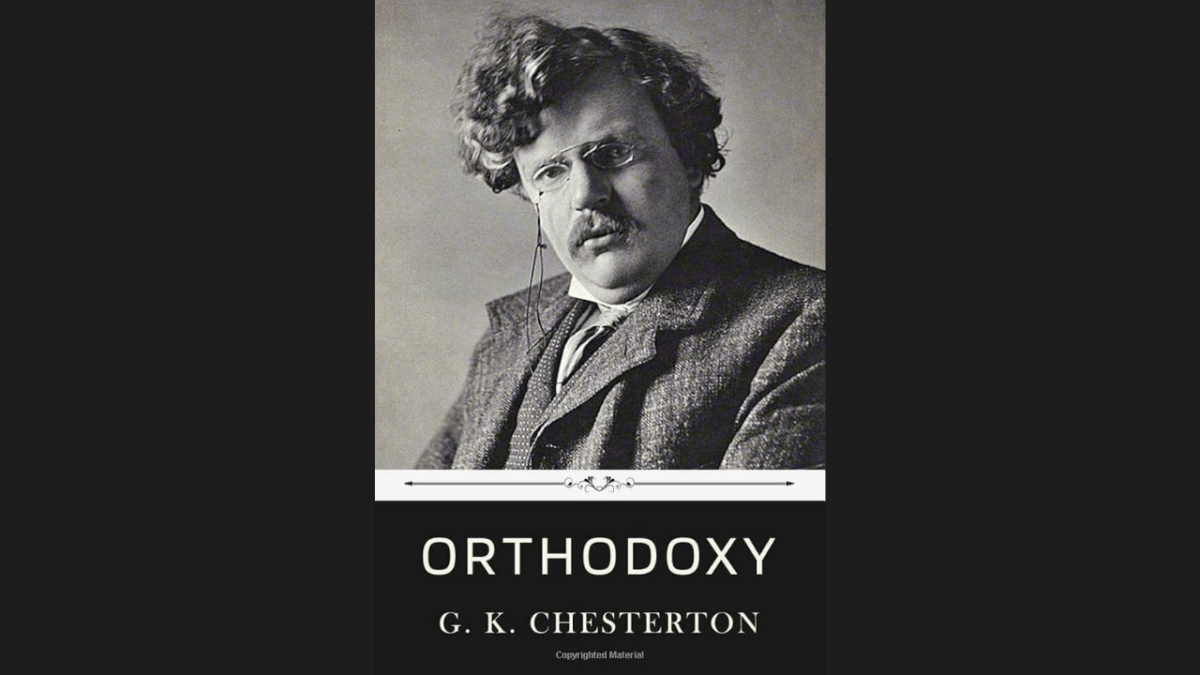
On G.K. Chesterton and the “Gigantic Secret” of Joy and Humility
G.K. Chesterton’s “Orthodoxy” critiques modernity’s loss of joy and humility, contrasting it with the genuine spirit of Christianity. He denounces pretension and celebrates the simple joys of existence, lamenting society’s taboo against humility. Chesterton’s insights reflect a longing for authentic human experience amidst the superficiality of contemporary life.

Ressentiment and the Refusal of Recognition
Friedrich Nietzsche’s concept of ressentiment describes the emotions of the less privileged towards the powerful. Max Scheler expanded this idea, asserting that ethics arise from lived experiences and values, not abstract rules. He emphasized how societal dynamics foster envy and moral depreciation, leading to unrecognized talent being disdained by those threatened by it.

What is Cultural History? How is it Different from Other Forms of History? Is Cultural History Inferior? Can We Do Without It?
Cultural history explores how societies create meaning through symbols, practices, and institutions, emphasizing language and representation. Distinguished from political and social history, it reveals how power dynamics form through cultural expressions. This approach connects everyday experiences with historical narratives, underscoring culture’s critical role in shaping identities and social structures.
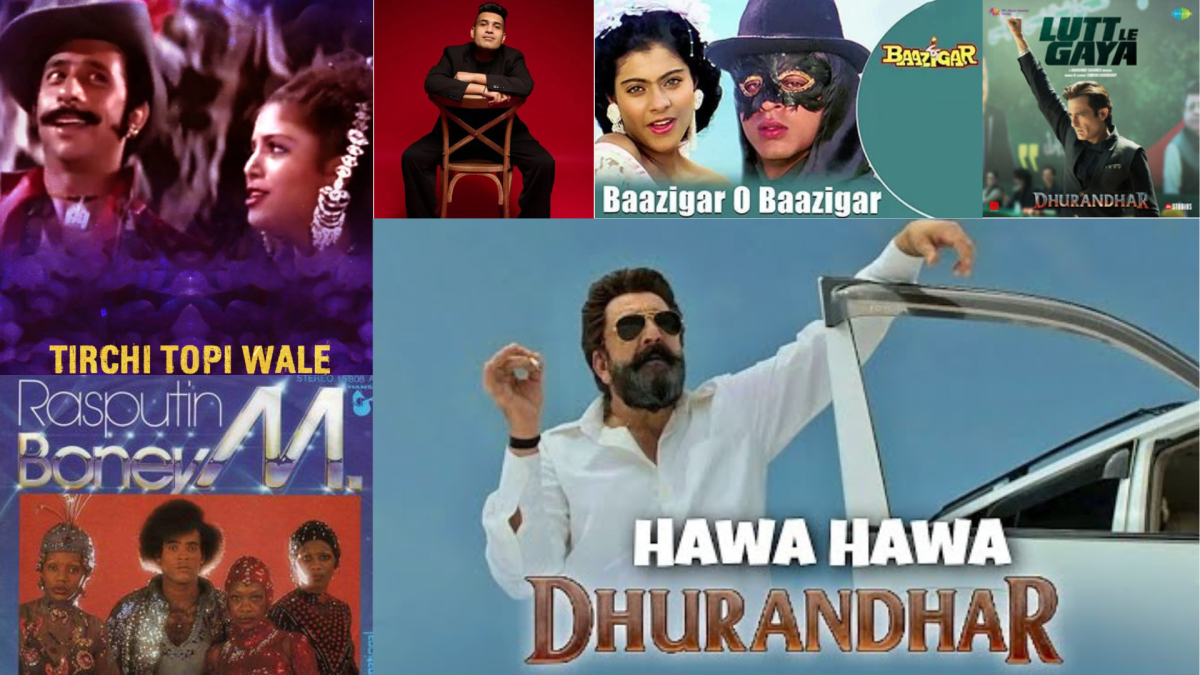
The Musical Experience of Aditya Dhar’s Dhurandhar Films: “Play it Again Sam”
The discussion revolves around the musical elements of the film Dhurandhar, highlighting its nostalgic tunes from the 1990s that evoke a longing for a past era in India. While critics debate its cinematic value compared to classics like The Godfather, its soundtrack captures the essence of a transformative period in Indian history, resonating deeply with…

Early Contacts Between India and Iran in Ancient History
The historical relationship between Iran and the Indian subcontinent is marked by migration, technological exchange, and cultural proximity from 3000 to 2000 BCE. Archaeological findings show a shared cultural sphere with significant artefacts, burial customs, and linguistic affinities, underscoring deep-rooted connections that shaped both regions’ early histories.
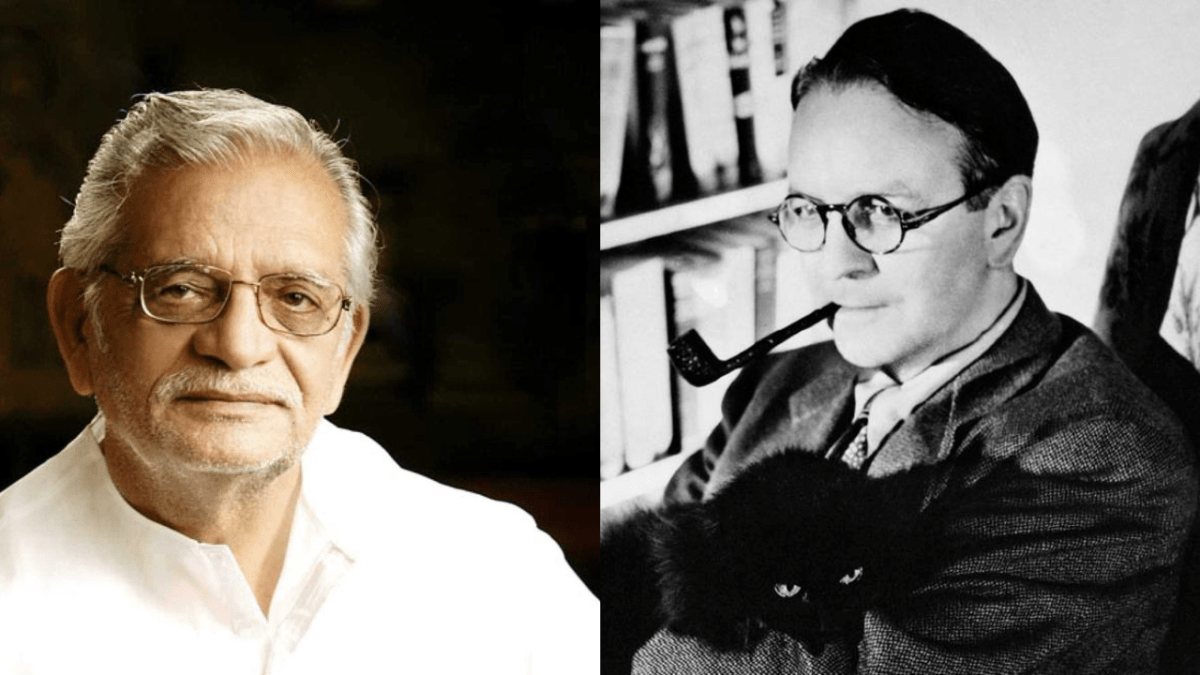
Synesthesia, Raymond Chandler, and Gulzar
In The Elements on Eloquence (2013), Mark Forsyth makes some very pleasant heavy weather of Raymond Chandler’s specimen of synesthesia in The Little Sister: “She smelled the way the Taj Mahal looks by the moonlight.” Published in 1949, it is a novel that one might easily suspect of having been read by someone like the…

Can Artificial Intelligence Think About its Thoughts?
Ricky J. Sethi proposes implementing metacognition in generative AI to enhance self-monitoring and decision-making. By using a metacognitive state vector, AI can evaluate emotion, correctness, and conflicts, enabling better responses. This could improve safety and transparency in fields like medicine and education, though challenges remain in calibration and validation.

The Instagrammatology of the Neoliberal University
The concept of Instagrammatology highlights how universities adopt digital platform logic, prioritizing visibility and engagement over substantive academic labor. Faculty are pressured to produce shareable content, blurring work-life boundaries, undermining scholarship quality, and fostering dependency on institutional feeds. Resistance involves reevaluating metrics, promoting alternative knowledge-sharing methods, and recognizing exploitation within academic practices.

