
This list includes articles, interviews, excerpts from my books and reviews that I have written after 2017, only.
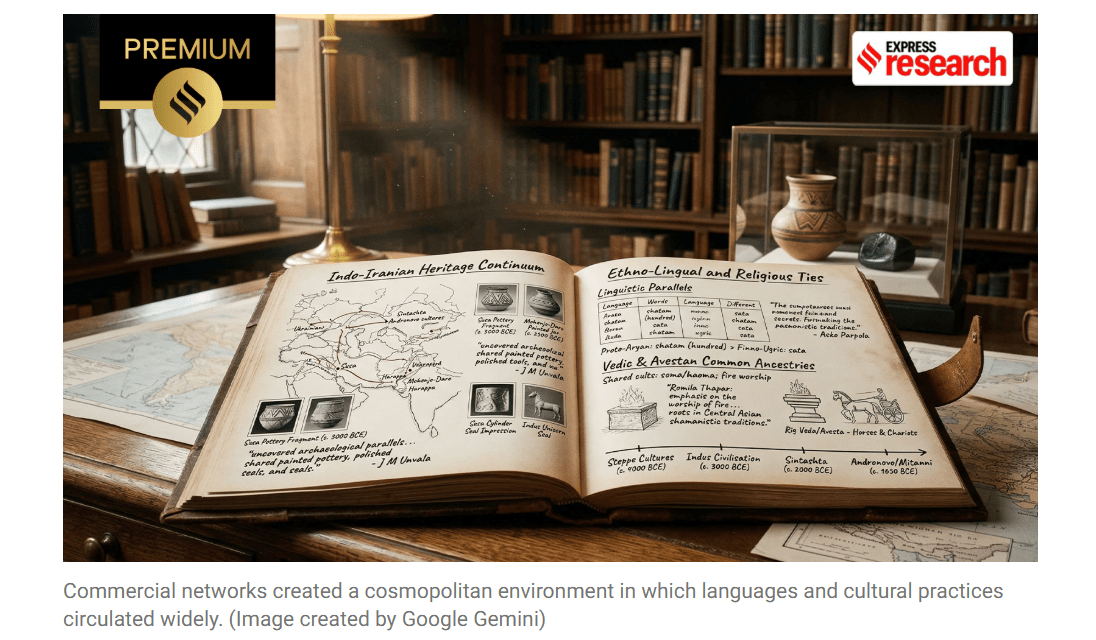
Trade, Language, and Shared Identities: How an Ancient World Linked India and Iran Thousands of Years Ago
The Indo-Iranian ties encompass a rich history of cultural interactions, trade, and migrations that shaped both regions. From shared linguistic roots to spiritual traditions, these connections evolved through dynamic exchanges. Despite historical divergences and modern geopolitical complexities, India and Iran…
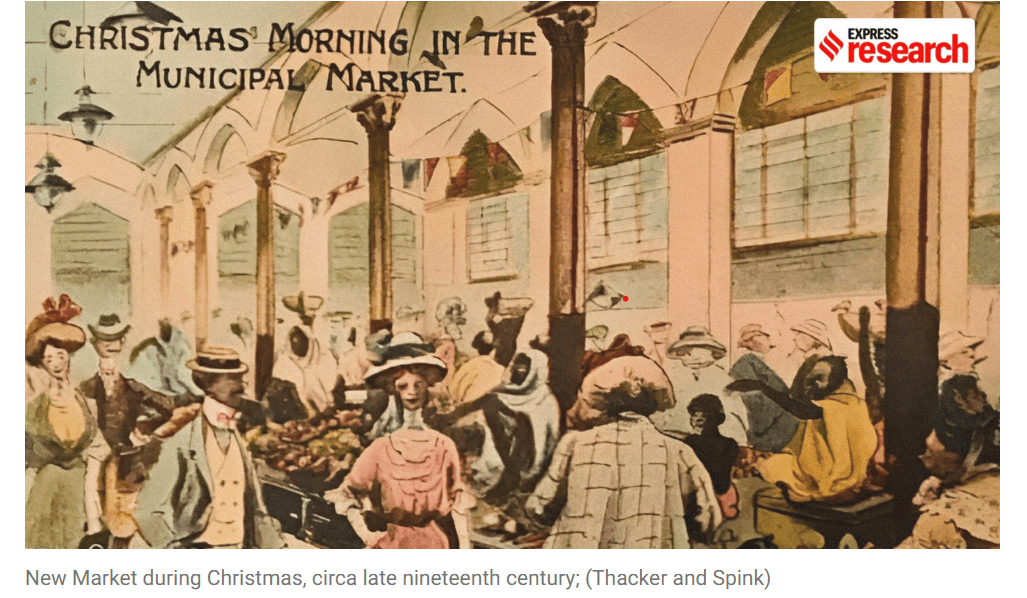
Christmas in Calcutta
The article explores the evolution of Christmas celebrations in Calcutta, highlighting their distinct cultural significance separate from English traditions. Since the late 18th century, festivities transformed into a unique blend of local and colonial customs, shaping a vibrant communal identity.…
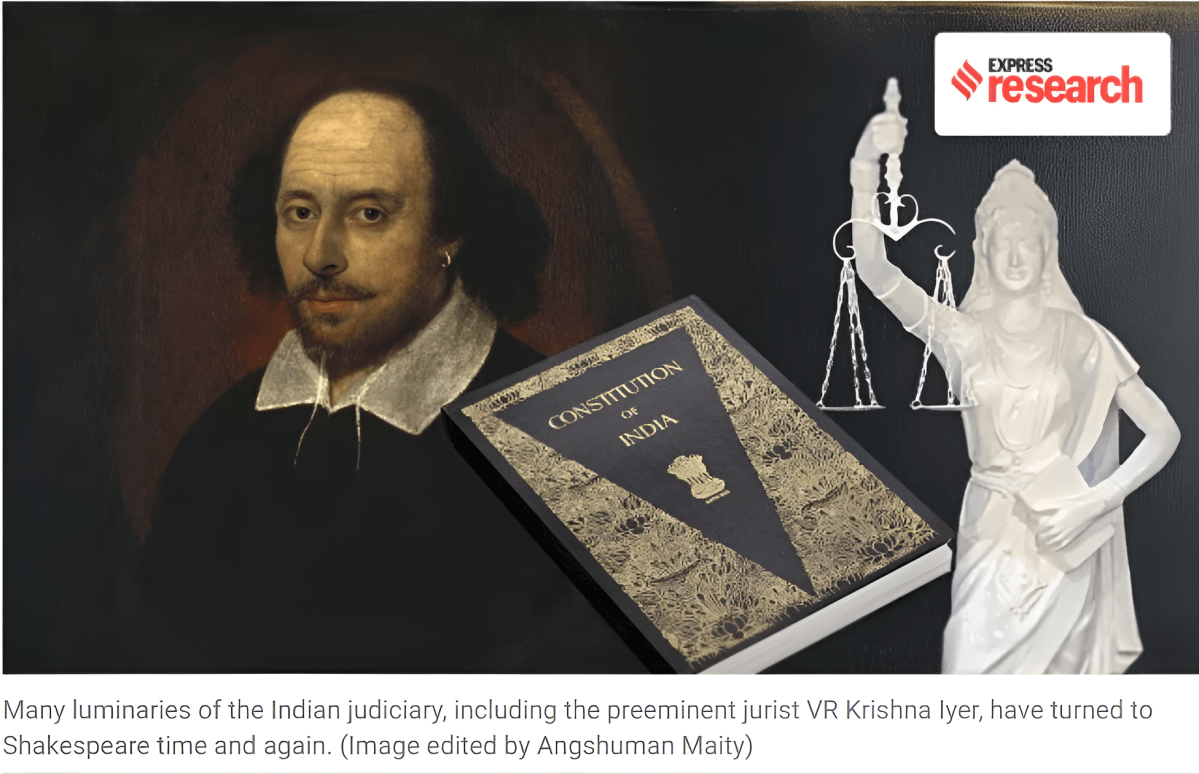
Shakespeare in India’s Constituent Assembly and Indian Law
Published in The Indian Express The Elizabethan English playwright, William Shakespeare, has been bewilderingly popular in India, since as far back as the early nineteenth century, if not longer. Besides Shakespeare’s widespread appeal in Indian cinema—across the films of Vishal…
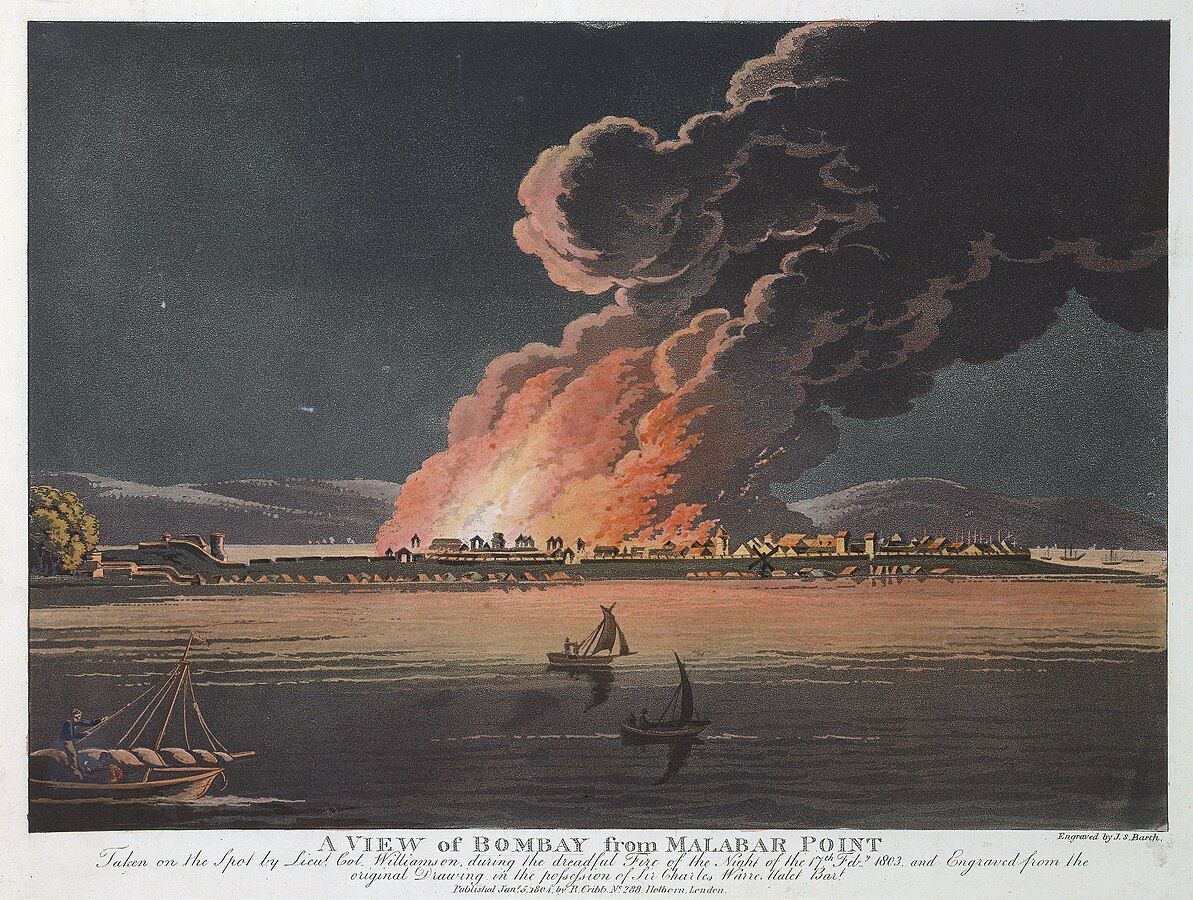
The Samuel Pepys of India: Abdul Latif Shushtari and the Great Fire of Bombay (1803)
Abdul Latif Shushtari’s diary, Waqaye-i Hind, offers a unique perspective on early 19th-century Bombay, documenting economic and social conditions following the Great Fire of 1803. His accounts reveal the city’s multicultural fabric, interactions between merchants and the British East India…
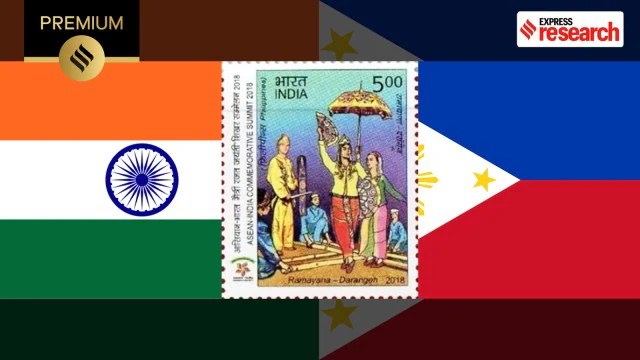
Ports, Polities, and Partnerships: The History of India-Philippines Ties
The historical connection between India and the Philippines reflects a rich tapestry of maritime and cultural exchanges, rooted in the Chola expeditions and continuing through various forms of artistic expression. Although lacking monumental evidence, Indo-Philippine ties persist in intangible cultural…
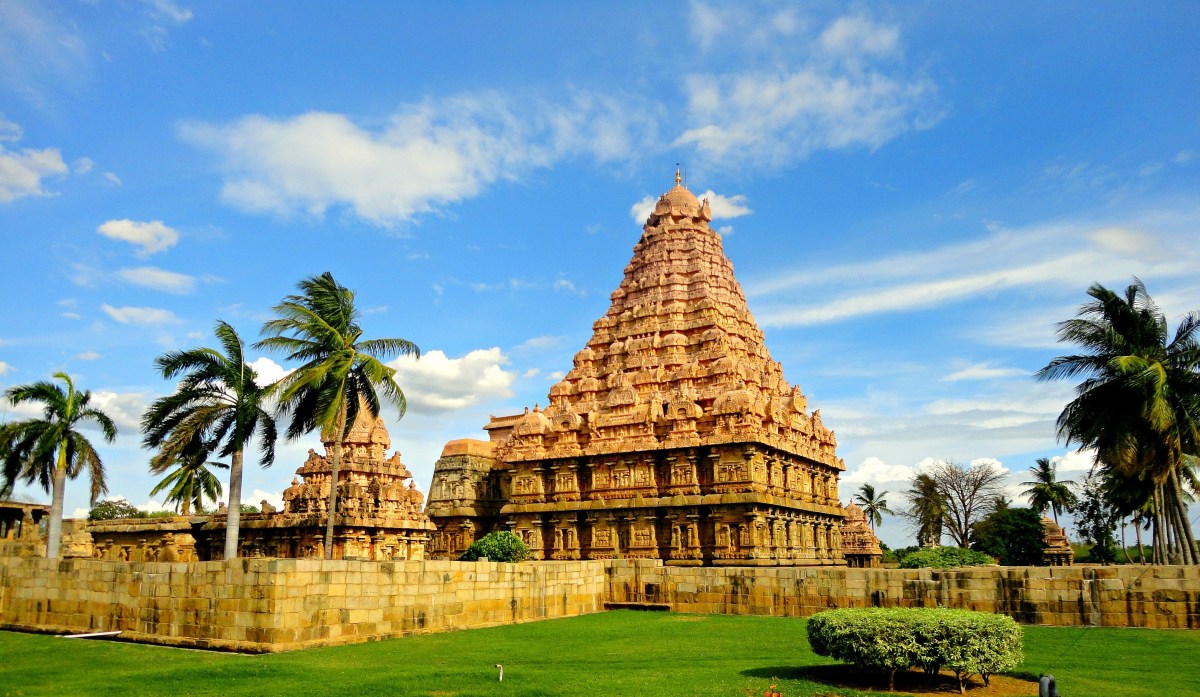
Revisiting Chola Grandeur with Eyes Wide Open
The legacy of the Chola Empire is revisited following Prime Minister Modi’s visit to Gangaikonda Cholapuram. While lauded for their democratic practices and cultural achievements, a deeper examination reveals a complex history marked by political maneuverings, economic ambition, and military…
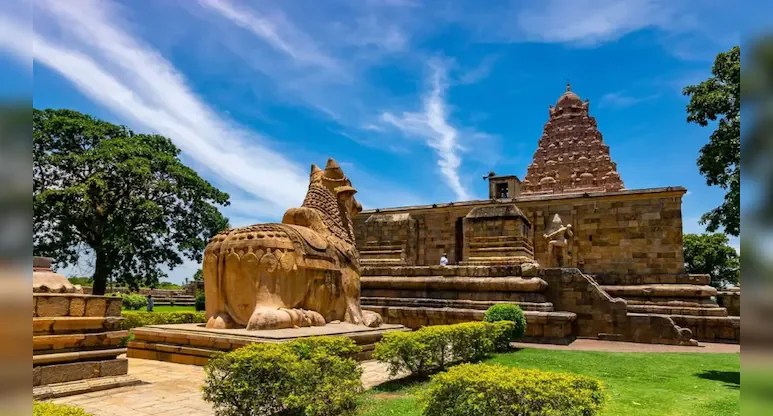
How Cholas Laid The Groundwork For Microlocal Governance in Southeast Asia
The Chola Dynasty, which ruled from 850 to 1280 AD, is experiencing renewed interest regarding its governance models and potential contributions to early democratic practices in South Asia. While recognized for their centralized administration, Chola local assemblies reflected participatory governance.…
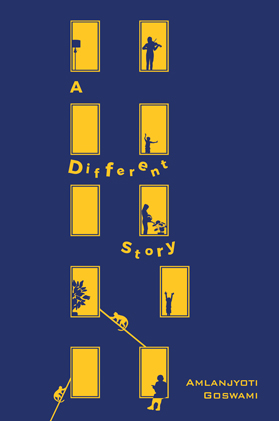
Arup K. Chatterjee Reviews A Different Story by Amlanjyoti Goswami
Amlanjyoti Goswami’s third poetry collection, A Different Story, creatively transforms trauma into humor and reflection, blending personal and universal experiences. The fragmented style echoes modernist traditions, presenting diverse characters and histories. The collection invites readers to inhabit its themes, suggesting…
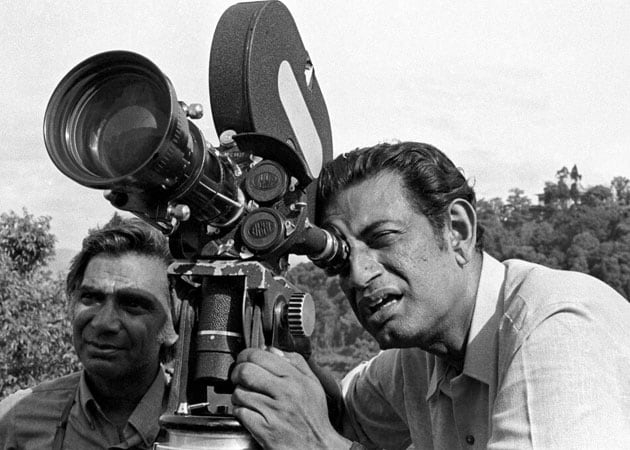
Satyajit Ray is Not Your ‘Renaissance’ Man
Satyajit Ray’s cinematic legacy is complex, revealing societal and state apparatus issues. Despite his global acclaim, his works were often censored or modified by the very institutions that celebrated him. Critics argue that his films challenged social injustices, contradicting the…
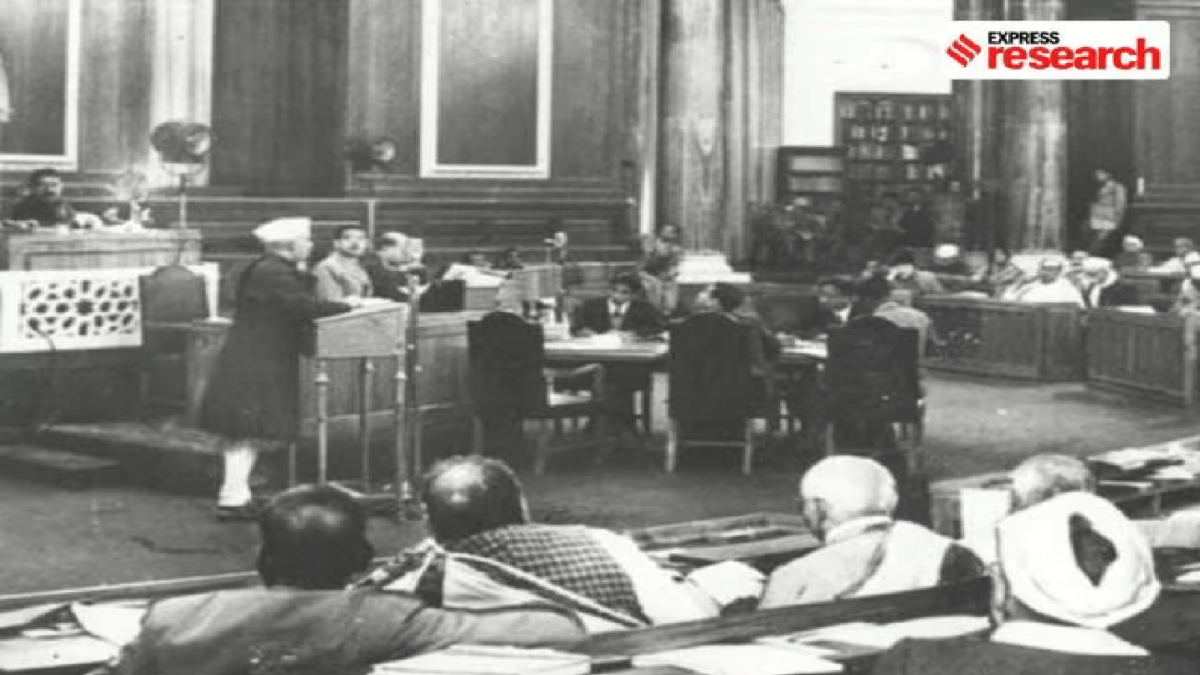
How the Constituent Assembly Debated Over ‘God’ in the Constitution
On October 17, 1949, a significant debate in the Indian Constituent Assembly centered on the inclusion of ‘God’ in the Constitution’s Preamble. Various amendments were proposed but ultimately rejected, highlighting the complex relationship between religion and state. The discussions underscored…
Humour In Constituent Assembly And Lessons For Laughter-Challenged Citizens
The author reflects on the humor embedded in the debates of the Constituent Assembly while drafting India’s Constitution. They highlight moments from key figures like Sarojini Naidu and B.R. Ambedkar, showing how wit humanized serious discussions. This humor illustrates the…

How India’s ‘Other’ Ram Setu, Pamban Bridge, Might Never Have Existed
Legend has it that Ram Setu-better known officially as Adam’s Bridge-is said to have been built by Lord Ram’s army, comprising commander Hanuman and the chief architect Nala. The enchanted structure lies between Dhanushkodi in India’s Tamil Nadu and Thalaimannar…
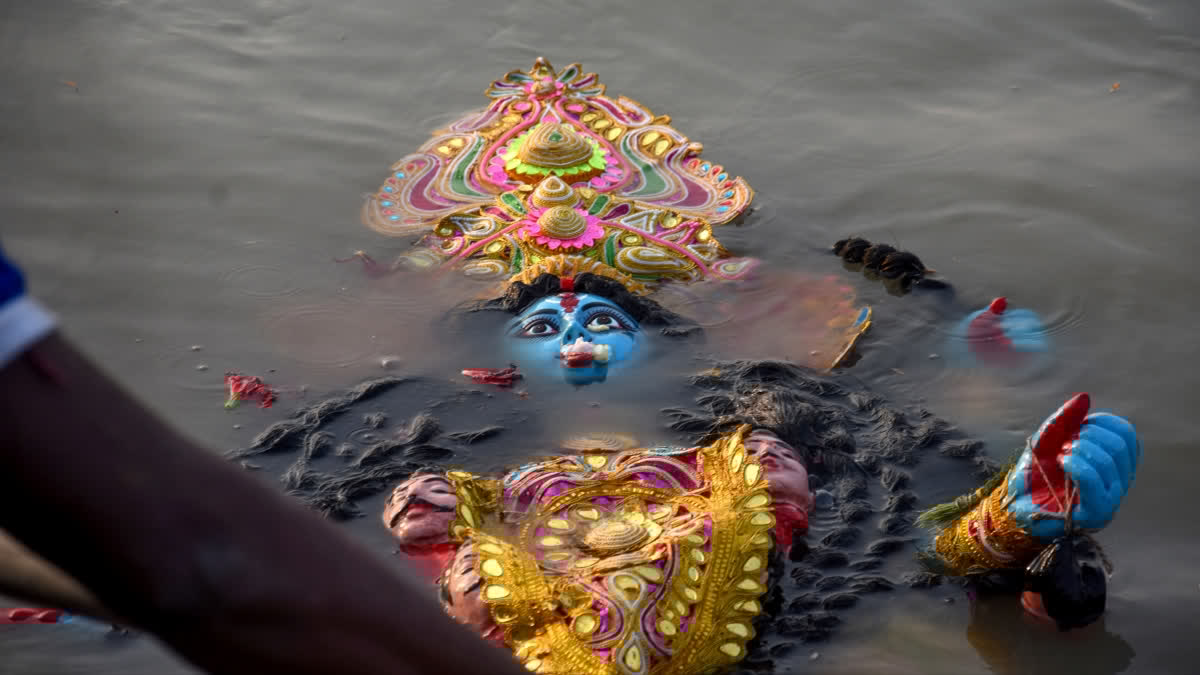
The History of Kali Worship
The word ‘Kali’ draws from the Sanskrit word ‘kala’, simultaneously implying time and blackness. Kali is a tantric personification of the tenets of the Bhagavad Geeta — she is the guardian deity of battles against one’s internal demons and external…
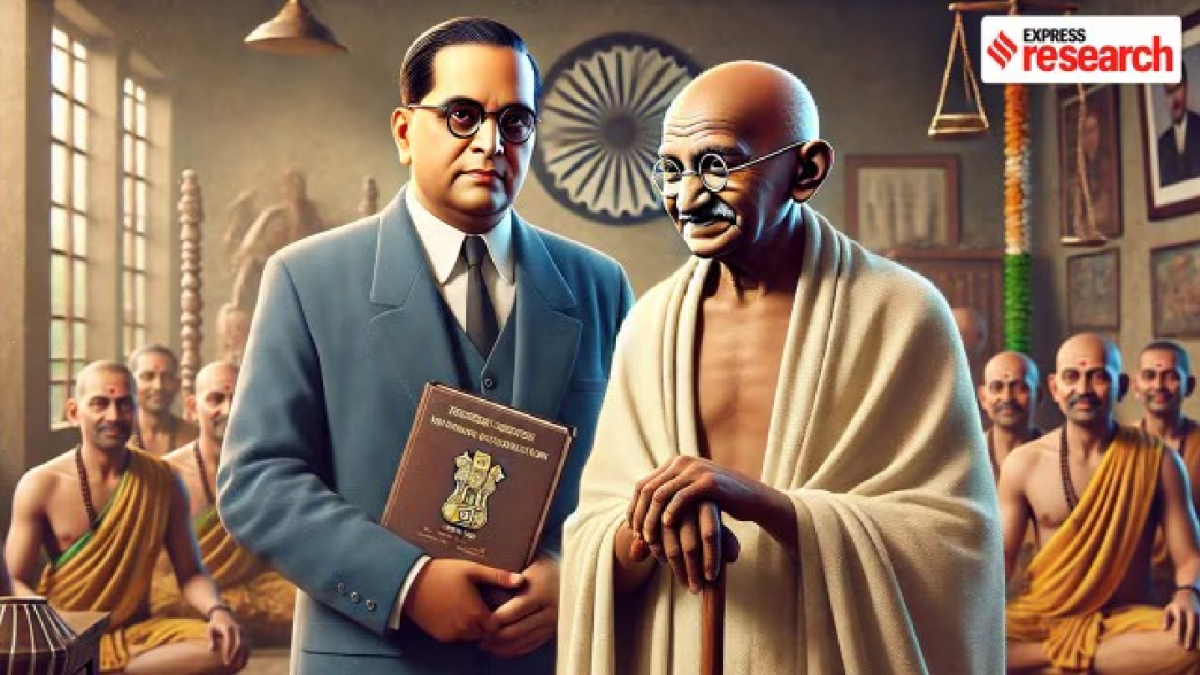
How the Independence Movement Altered the ‘Dream’ of a Casteless Society
Published in The Indian Express ‘Of all the topics,’ wrote historian Susan Bayly, ‘that have fascinated and divided scholars of south Asia, caste is probably the most contentious.’ Like ‘race in the United States, class in Britain and faction in…
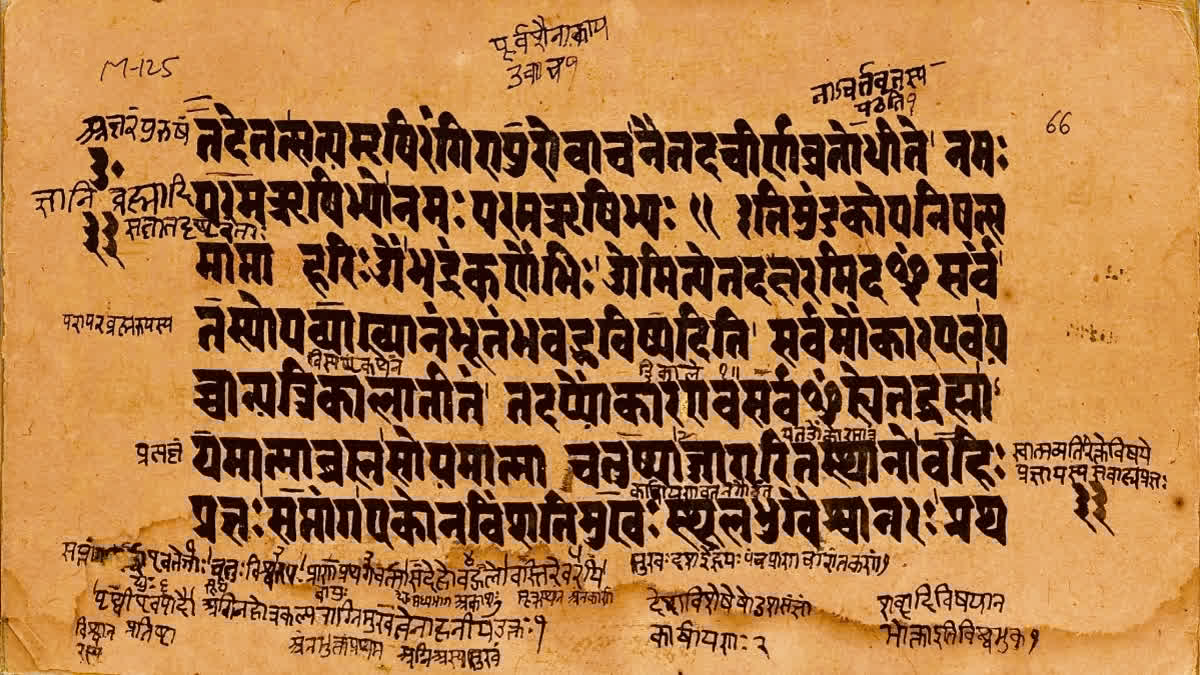
The Mandukya Upanishad Promotes Scientific Temper
The Upanishads are said to have been written, tentatively, between the 8th and 1st century BC (with some said to have been written later). It is ironical that such ancient texts could come to cast their footprints on modern-day science.…
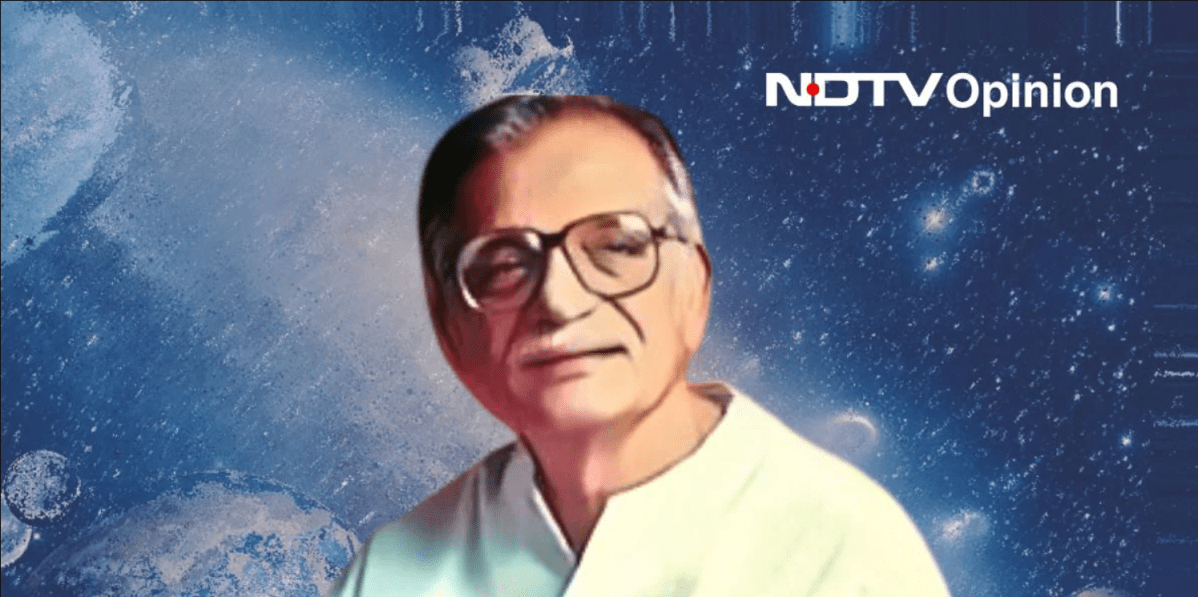
Gulzar, A Poet Who Embraced Quantum Mechanics Like No Other
Renowned Indian poet and novelist Padma Sachdev once called Gulzar saab the Pablo Neruda of Urdu poetry. But it would be as precise to call him the John Donne of ‘Indian popular culture’. And I use this composite phrase instead…
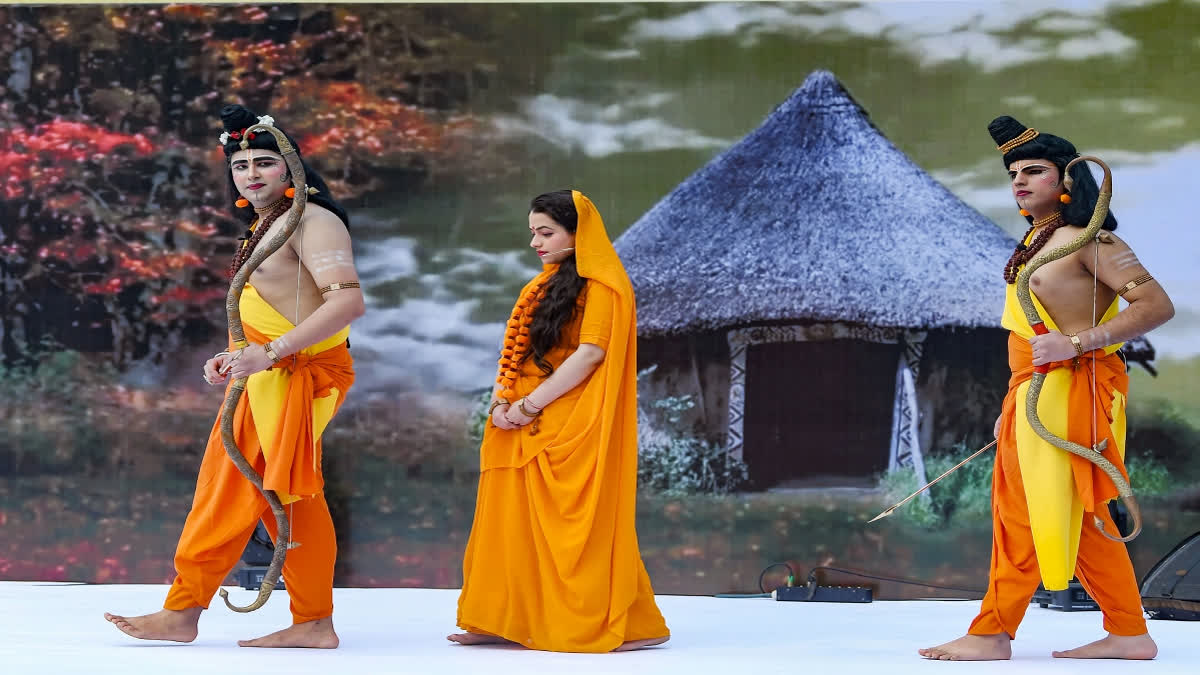
The Different Types Of Ramayanas Of Southeast Asia
Ramayana authored by sage Valmiki about 2500 years ago is the most global epic. The epic is the life story of Lord Ram. There are different types of Ramayanas in Southeast Asia and it acts as an influential catalyst in…
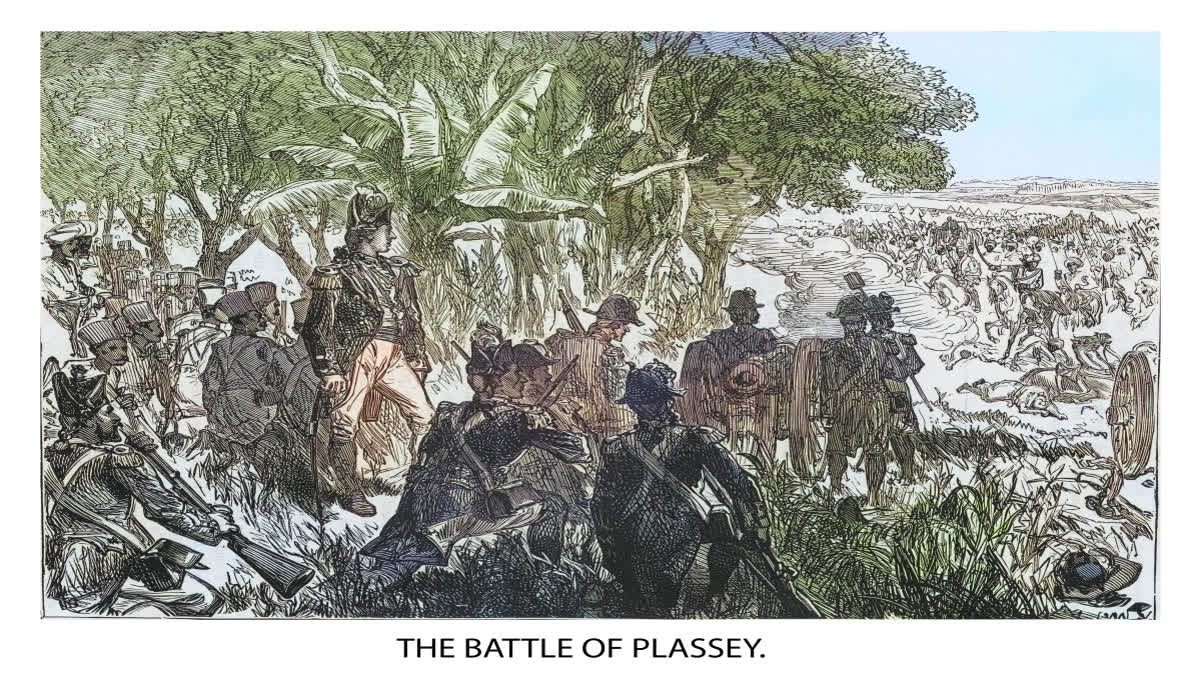
The Battle of Plassey as a Revenge Tragedy
The well-known Battle of Plassey, which was fought in 1757, has been described as the ‘war that defined modern India.’ Legends from the battle continue to emanate from West Bengal, India, and Bangladesh. This piece explores the intricate roles of…
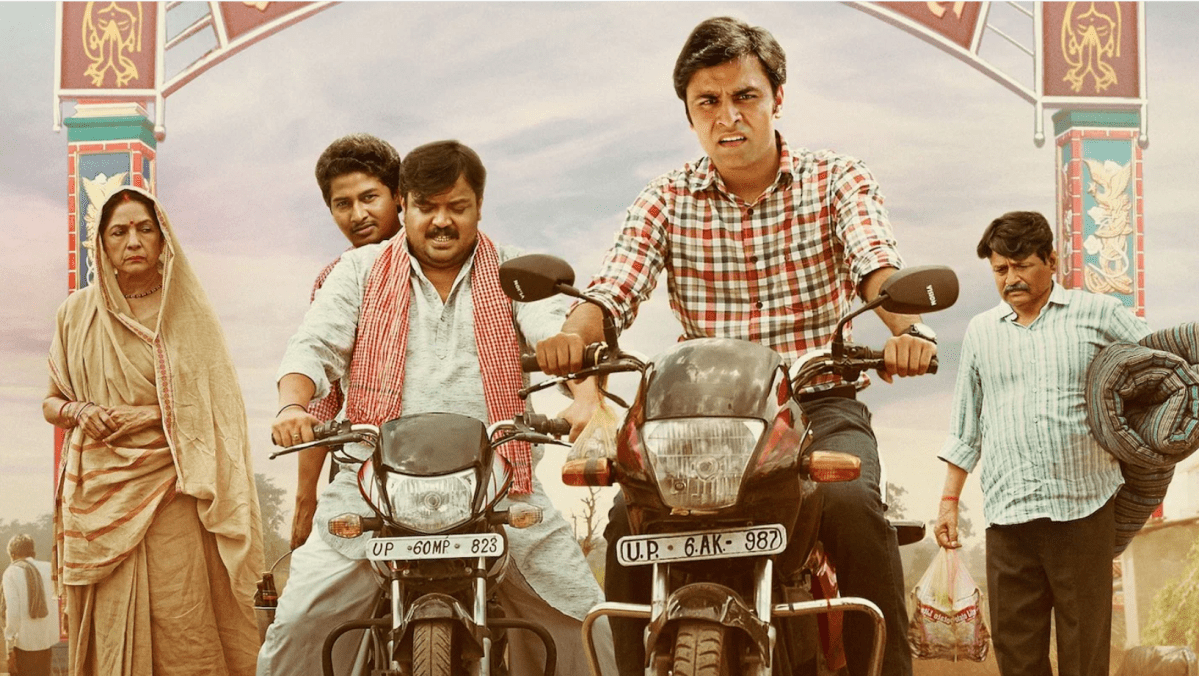
Panchayat and Phulera: What Urban Indian Dreams Are Made Of
Earlier this month, the third season of Amazon Prime’s highly loved web series, Panchayat, premiered with great fanfare. Thus far, the series seems to have delivered on its promises, with its viewership only increasing. However, as some critics argue, the once-beloved “Phulera…
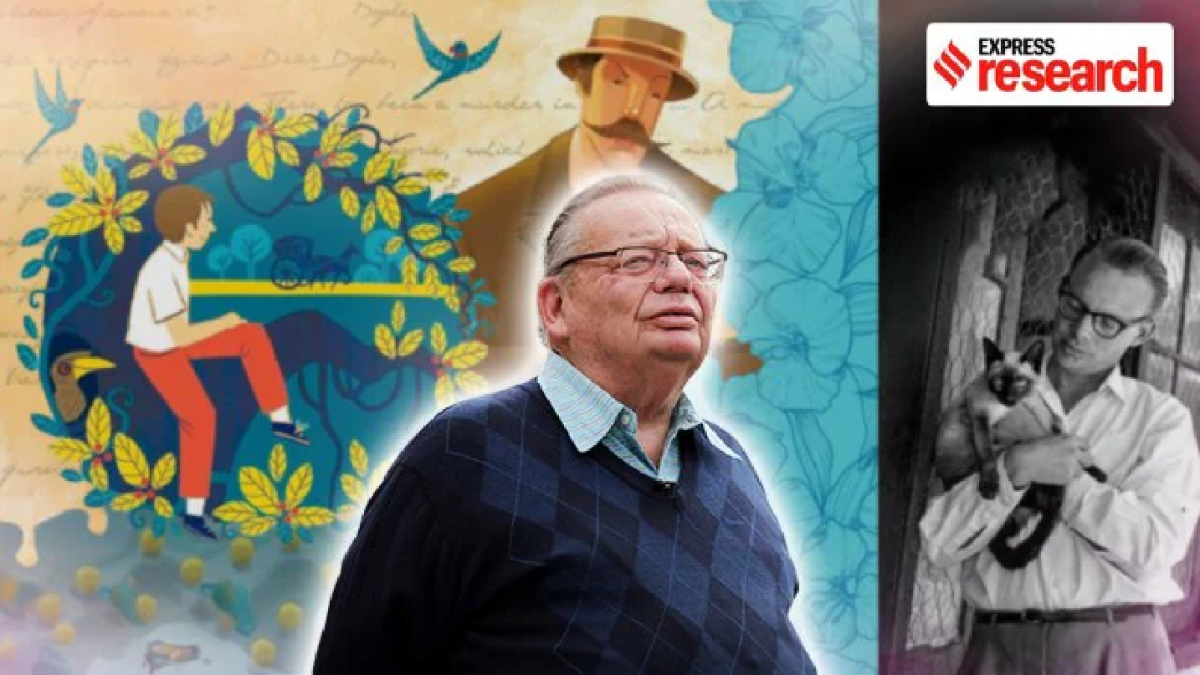
How Ruskin Bond Made Being Anglo-Indian a Way of Life
Published in The Indian Express Ruskin Bond, who towers over the Indian literary scene—like the ancient green turrets and shamrocked spandrels of Mussoorie’s twice-born Savoy Hotel towering over the township’s gossip[1]—is a beacon of courage in despair. His over two-hundred…
Something went wrong. Please refresh the page and/or try again.
 Arup K. Chatterjee