
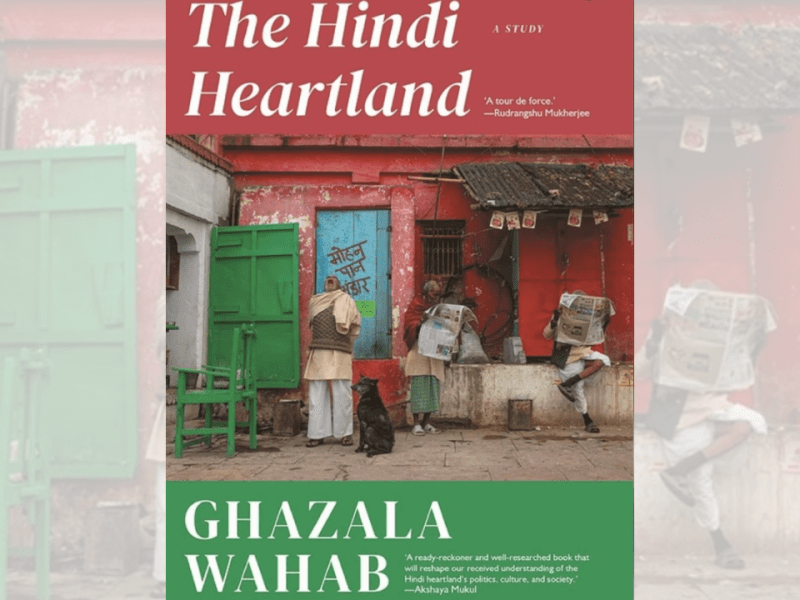
Plural Pasts to Majoritarian Present? | Ghazala Wahab’s The Hindi Heartland
In “The Hindi Heartland,” Ghazala Wahab examines the socio-political dynamics of a region critical to India’s identity, highlighting its poverty and communal issues. She critiques majoritarian influences and argues for a nuanced understanding of the Hindi heartland’s complexities, including its historical context and evolving public discourse.
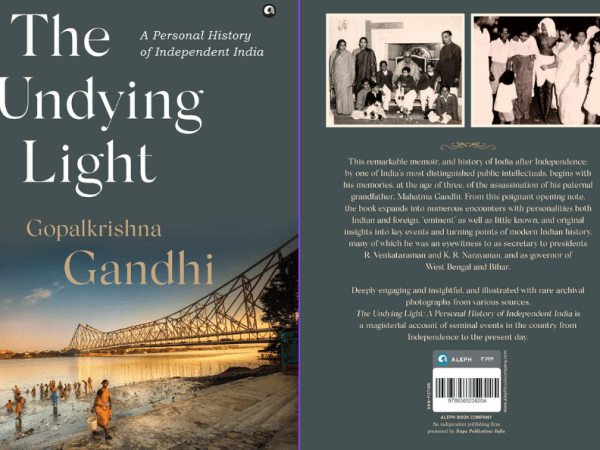
Against Sordid Spectacles Founded on Epic Falsehoods: Gopalkrishna Gandhi’s The Undying Light
Gopalkrishna Gandhi’s The Undying Light offers a unique blend of personal introspection and historical analysis, reflecting on India’s independence through intimate narratives. He emphasizes the complexity of belonging and local identity in Indian democracy, urging a rediscovery of collective accountability amidst historical challenges, while articulating hope as a daily practice in civic life.
Dismaying an Orthodoxy: Ram Madhav’s The New World
Ram Madhav’s book, The New World, seeks to provide a vision of the declining post-1945 liberal order and India’s role in an emerging multipolar global system. It attempts to emphasize geopolitical prudence, advocating for India to actively shape its future. Its policy prescriptions are provocations on India’s strategic positioning, and can dismay orthodox theorists.
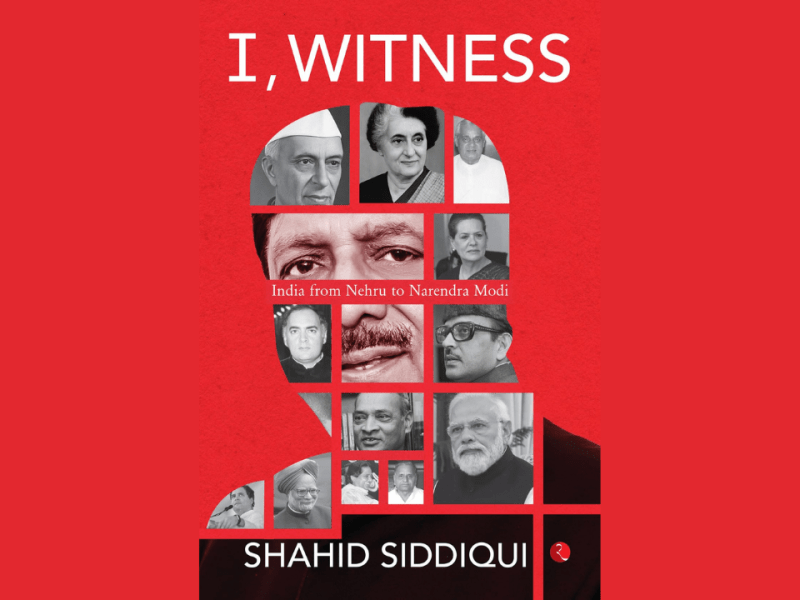
The Nation’s Embodied Political Lives: Shahid Siddiqui’s I, Witness
Shahid Siddiqui’s “I, Witness” offers a personal and detailed account of India’s political landscape from Nehru to Modi, using eyewitness testimonies and anecdotes. With a narrative reminiscent of Rushdie, it presents politically significant figures without bias, emphasizing their complexities and human aspects while capturing India’s tumultuous political history through lived experiences.
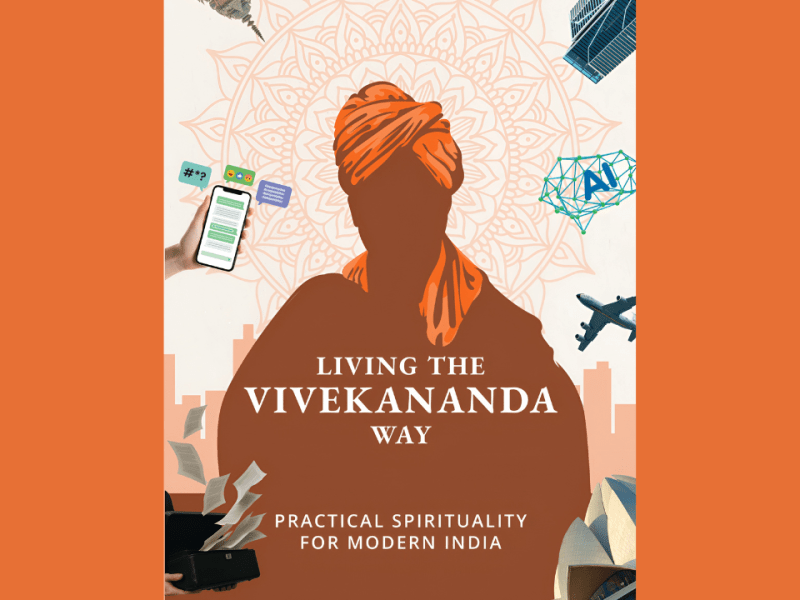
Doorway to Transcension: Ananya Awasthi and Nikhil Yadav’s Living the Vivekananda Way
The nineteenth-century Indian monk—and student of Ramakrishna Paramahamsa—Swami Vivekananda has been seen as a leader and reformer who preached the existence of God in every human. But he is yet to be widely accepted as a strategist for public good. For reasons intuitively comprehensible to all of us, mysticism does not seem to gel easily…
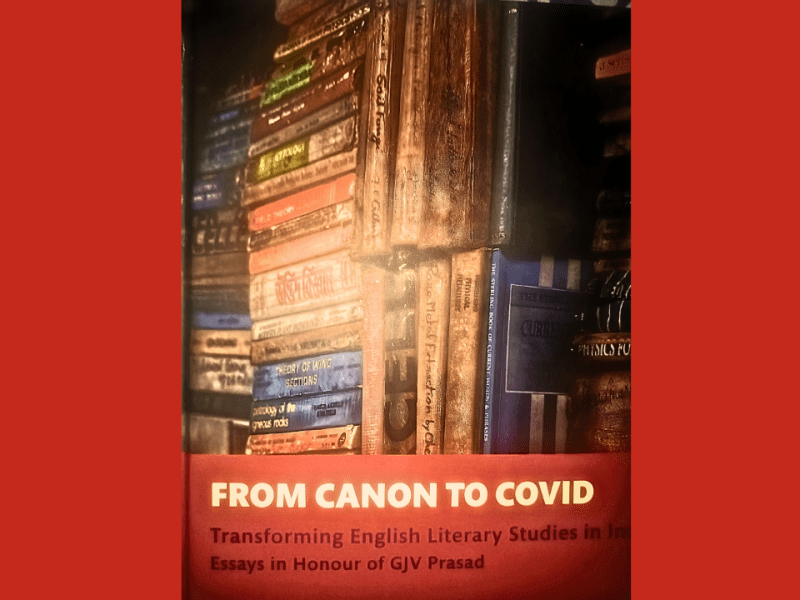
Representations of a ‘Collapsing’ Canon: Essays in Honour of GJV Prasad
The anthology’s generosity of insight (and even its very questions) ensures that scholars, teachers, creators, and policy-makers will return to it when charting the future of Indian literature. This reviewer recommends that this book—and books such as this due in the future by authors and scholars affiliated to this volume—be enjoyed as representations of a…
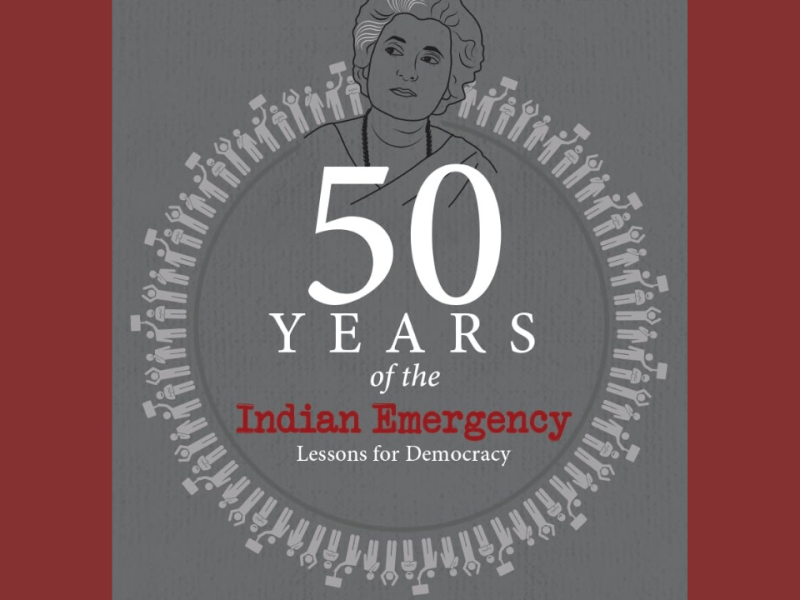
No Easy Villains: 50 Years of the Indian Emergency
The book “50 Years of the Indian Emergency” provides a critical anthology addressing India’s Emergency period (1975-77), emphasizing its lasting implications for democracy. It urges a dispassionate examination of past events, highlighting themes of collective complicity, institutional failure, and diverse experiences of freedom. The volume critiques the simplistic narratives of villainy, revealing complex societal dynamics.
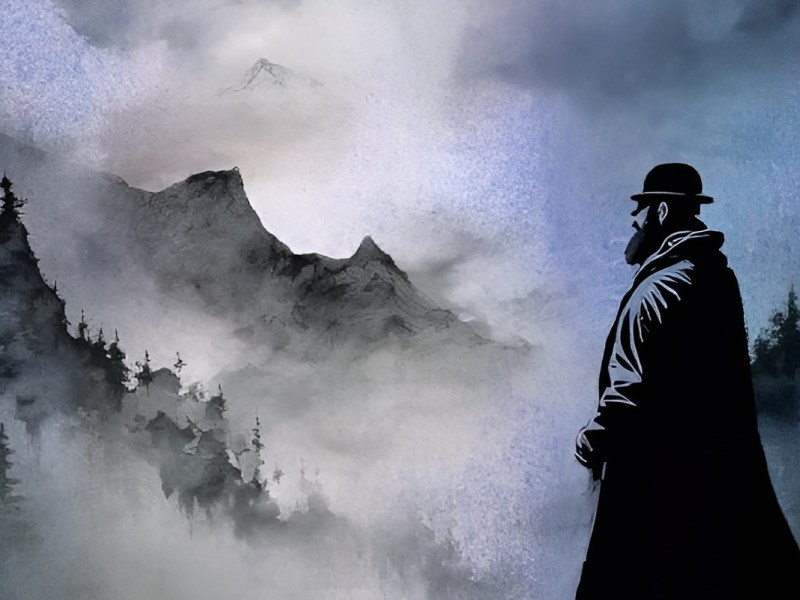
The Eerie Familiarity of the End of an Era: Anindyo Roy’s The Viceroy’s Artist
The Viceroy’s Artist by Anindyo Roy features the painter Edward Lear in 1870s British India, exploring his complex life filled with physical ailments and emotional struggles. The episodic narrative captures Lear’s travels, reflections, and interactions, particularly with his loyal manservant, offering a poignant portrayal of an artist caught between absurdity and melancholy amidst imperial realities.
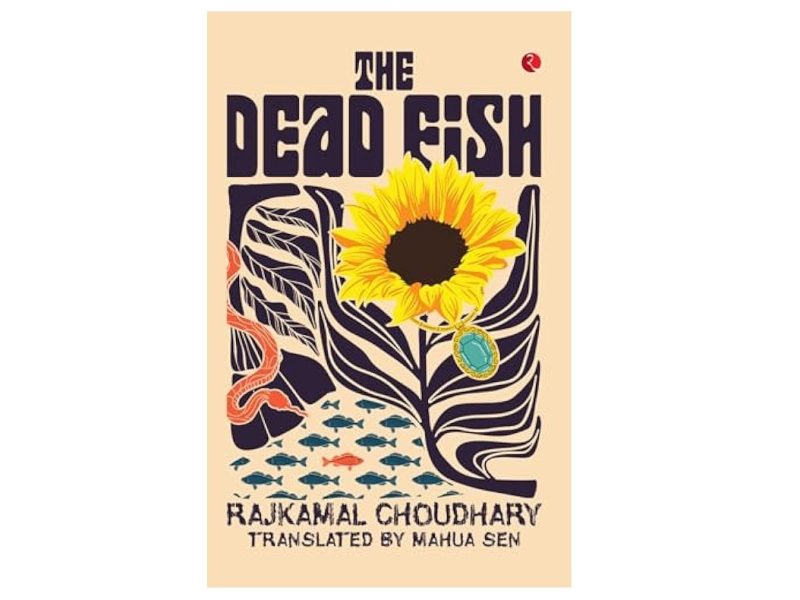
Arup K. Chatterjee Reviews Mahua Sen’s The Dead Fish: Translation of Rajkamal Choudhary’s Machhli Mari Hui (1964)
Mahua Sen’s translation of Rajkamal Choudhary’s novel The Dead Fish revives the narrative for contemporary readers, maintaining its original themes and cultural context. Her rendering balances poetic imagery with stark realism, capturing the emotional and psychological depth of Choudhary’s work. This translation becomes a vital exploration of identity and societal issues in modern India.

Arup K. Chatterjee Reviews A Different Story by Amlanjyoti Goswami
Amlanjyoti Goswami’s third poetry collection, A Different Story, creatively transforms trauma into humor and reflection, blending personal and universal experiences. The fragmented style echoes modernist traditions, presenting diverse characters and histories. The collection invites readers to inhabit its themes, suggesting a rebellious reclamation of provinciality and the complexity of lived experiences.
 Arup K. Chatterjee