
Gastromythology’s Invention, Coinage, Meaning, Context, and Application
In 2019, I coined the concept ‘gastromythology’[1] from the English word ‘gastromyth.’ The word evidently had no existence prior to this coinage in the English language. Hitherto, at least until the early twentieth century, gastromyth was only used in the sense of ventriloquist or someone who virtually speaks or delivers mythus (Latin), mythos (Greek), mythe (French) or simply word-of-mouth without visible oral movements, that is, with the help of the gastros (belly, stomach, womb).
I defined gastromythology, in a preliminary set of ideas, calling it a study of the ‘aesthetic rhythms of gastronomy.’ However, in my papers and research work, over the years, I have complexified the definition to transform gastromythology into an analytical unit of culinary representation and sociopolitical studies. In my writings, I attempted to define what gastromythology is and is not. It is not simply a mythology of food, so to speak. It is not merely a poetical neologism meant to be paraded without context and definition. Rather, gastromythology seeks to study food, culinary practices, consumption, and other kinds of ingestible phenomena as though they are structured as mythemes and mythologies. The concept draws from ideas of structuralism and performance studies, including from those explored by Roland Barthes, Claude Levi Strauss, Bharata Muni, Abhinavagupta, and several other influential theorists of antiquity and modern times.
Acknowledgment and Recognition of Arup K. Chatterjee’s Coinage of the Term Gastromythology
In March 2023, The Telegraph (United Kingdom) published an article where it referred to ‘gastromythology.’ Later, the newspaper added the following citation to acknowledge my coinage.
‘This concept is not new, however, the idea of ‘Gastromythology’ was first coined by Arup K. Chatterjee in his article, “Luca Brasi Sleeps with the Fishes”: The Gastromythology of The Godfather Trilogy,” published in 2020. In a series of articles and essays, Chatterjee explores how food advertisements changed how certain foods were perceived racially and how products became more gendered.’
The Telegraph, March 29, 2023
Some of my published writings that elucidate the concept of gastromythology include the following articles, some of which have been published in prestigious journals like Consumption, Markets, and Culture and the History of Retailing.

Mythologizing Late Victorian Tea Advertising
This paper analyzes late-Victorian tea advertisements from 1890 to 1900, focusing on their complex aesthetic and ideological roles in the context of English identity. It highlights the influence of gastromythology and the sociocultural dynamics at play in The Illustrated London News, connecting these historical marketing practices to modern consumer psychology and digital algorithms.

The “Decline” of London’s Curry Houses
The article discusses the decline of London’s curry houses, emphasizing their cultural importance linked to Asia. It critiques existing explanations for this decline, proposing the concept of gastromythology, which blends invented traditions and authenticity. This framework helps analyze the transformation of culinary traditions amidst social and political changes, particularly post-Brexit.
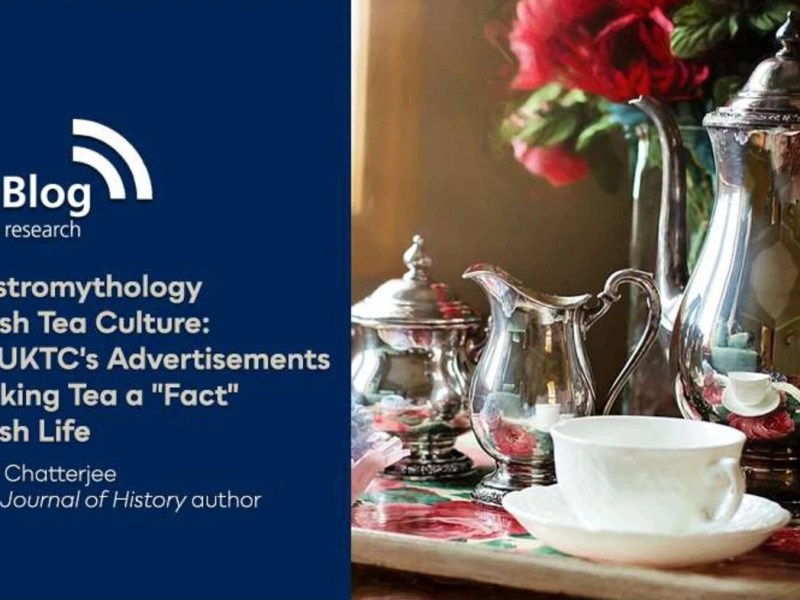
The Gastromythology of English Tea Culture: On the UKTC’s Advertisements and Making Tea a “Fact” of English Life
The paper discusses Roland Barthes’ concept of “gastromythology,” emphasizing how advertisements for English tea transformed a Chinese beverage into a symbol of English identity. By analyzing late-nineteenth-century ads, it reveals how Victorian notions of identity, domesticity, and imperialism influenced cultural narratives, masking tea’s colonial origins in China and India.
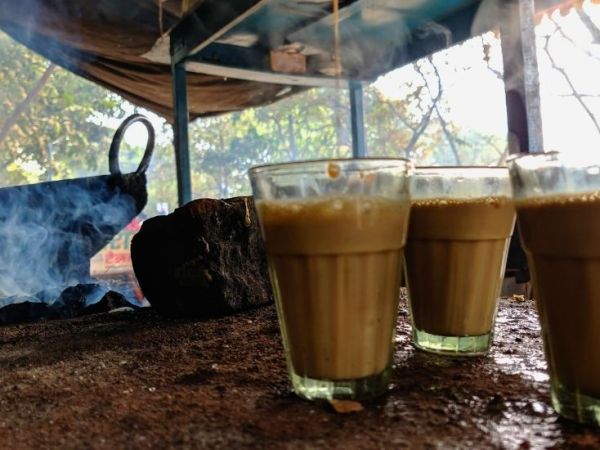
Tea Tales – India’s Ever Evolving Chai Culture
Arup K Chatterjee discusses the evolution of tea culture in India, tracing its origins from European influence to the rise of chai tapri culture. He highlights tea’s role in social narratives, employment, and the economy, emphasizing its transformation into a national beverage enriched with personal stories, nostalgia, and enduring cultural significance.

The Gastromythology of English Tea Culture
The article examines how Victorian England’s tea culture, shaped by advertising from the United Kingdom Tea Company, became integral to English life. It argues that these advertisements not only promoted tea but also reconfigured its identity within English imperialism, creating a gastromythology that sensualized and racialized tea drinking while masking its foreign origins.
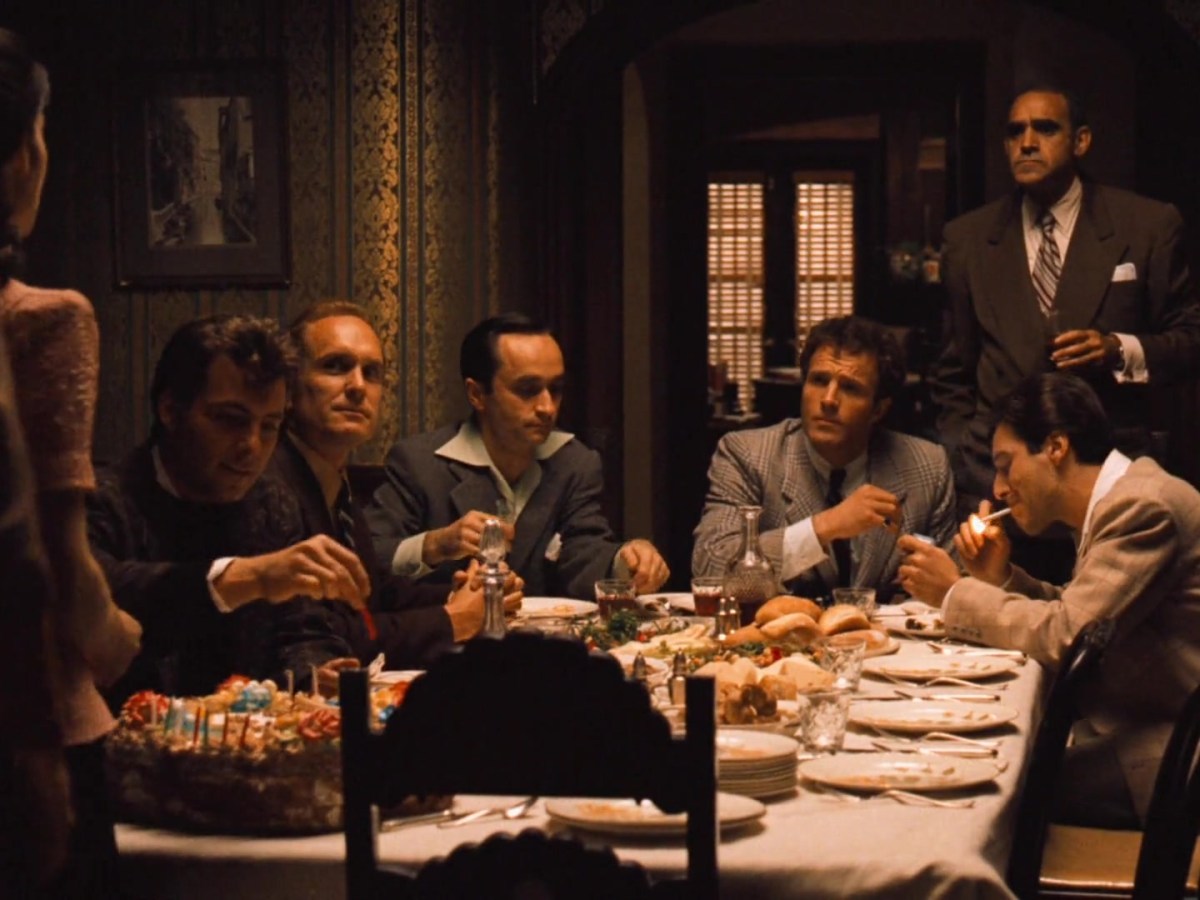
The Gastromythology of The Godfather Trilogy
Taking the founding principles of Abhinavagupta’s concept, rasadhvani, this paper defines the mysterious gastromythological code of The Godfather trilogy. I argue that, through an underlying Eucharistic code, gastromythology determines the rationale of ritualistic killings, and how they are represented in the mafia plotline of an otherwise conventional tragedy of an American family. Like The Godfather trilogy is critically taken…
Note
[1] Authors, academic and journalists making unauthorized and unacknowledged use of the concept ‘gastromythology’ are strongly advised to avoid such practices. It is regrettable that some publications and authors have already used the concept without citation or acknowledgement.
 Arup K. Chatterjee