
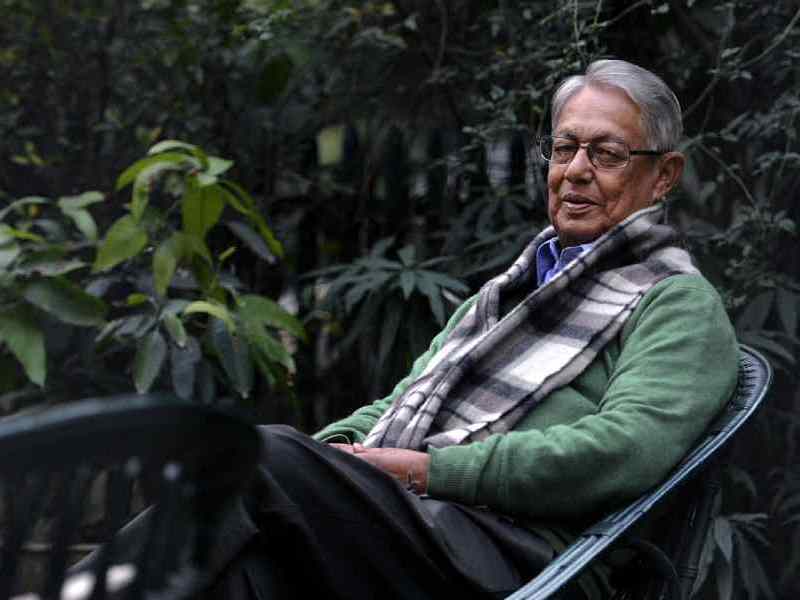
André Béteille: A Life of Cultural Cosmopolitanism, Scholarly Rigor, and Scientific Temper
André Béteille’s death earlier this month closed a career that united cosmopolitan breadth with unswerving scholarly method. He passed away on February 3, 2026, at the age of ninety-one. Tributes recalled him as a teacher, mentor, moral anchor, and patient architect of Indian sociology. His books will remain on syllabi and his students will continue…
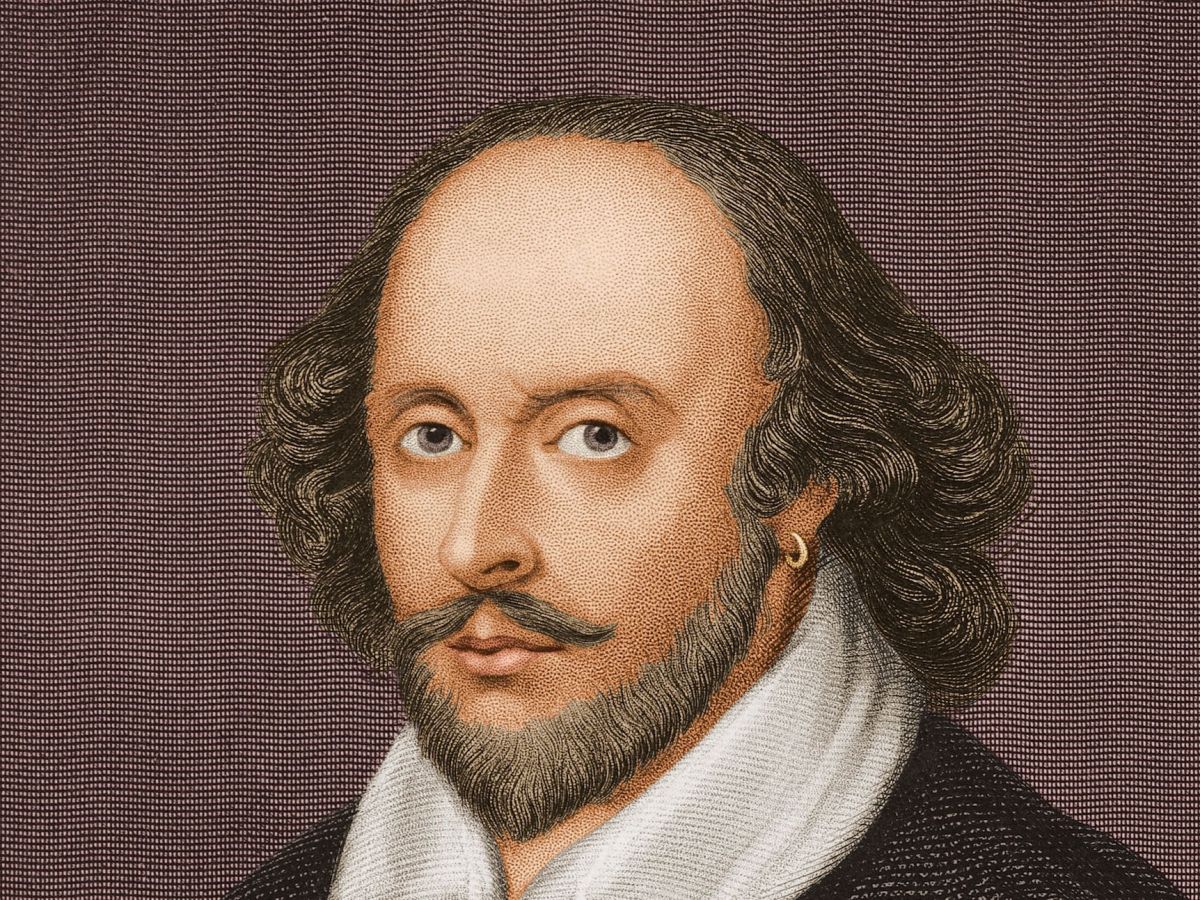
Understanding Diacope: Shakespeare’s Repetitive Rhetoric
William Shakespeare skillfully used diacope, a repetition technique, to enhance emotional depth and clarity in his plays. This device, effective in capturing audience attention, emphasizes key themes and emotions. Diacope’s influence extends beyond Shakespeare to modern literature, illustrating its enduring power to convey meaning and evoke profound responses.

Margaret Woodrow Wilson and The Gospel of Sri Ramakrishna: An American President’s Daughter and an Indian Mystic’s Voice
Margaret Woodrow Wilson, daughter of President Woodrow Wilson, immersed herself in Indian spirituality at the Sri Aurobindo Ashram, where she played a crucial role in translating The Gospel of Sri Ramakrishna into English. Her editorial work facilitated the text’s accessibility, fostering cross-cultural understanding and establishing a lasting spiritual connection between East and West.

William Shakespeare’s Longest Word: Honorificabilitudinitatibus
The term “honorificabilitudinitatibus,” found in Shakespeare’s Love’s Labour’s Lost, serves as a comedic tool, highlighting pedantry while emphasizing the contrast between knowledge and performance. Shakespeare’s playful use of this long word illustrates cultural tensions around learning, as it transforms into a symbol of both humor and theatrical critique over time.

Emily Dickinson’s Solitude as Deliberated Craft
Emily Dickinson wrote nearly eighteen hundred poems, yet few were published during her life. Her solitude was an intentional creative practice, enabling focused language exploration. Distinguishing solitude from isolation, she engaged with editors and crafted meticulously organized fascicles. Dickinson’s approach teaches contemporary writers the value of patience, inner critique, and the quiet cultivation of language.

Albert Camus’s “Watcher and the Watched”: The Reflexive Intellect
Albert Camus presents the thinker as a divided subject, engaging in self-scrutiny and ethical vigilance. In contrast, Eastern philosophies like Advaita and Krishnamurti challenge this duality, emphasizing nondual awareness. By integrating both perspectives, contemporary thinkers can balance critique and understanding, fostering moral insight while minimizing ego-driven conflict.
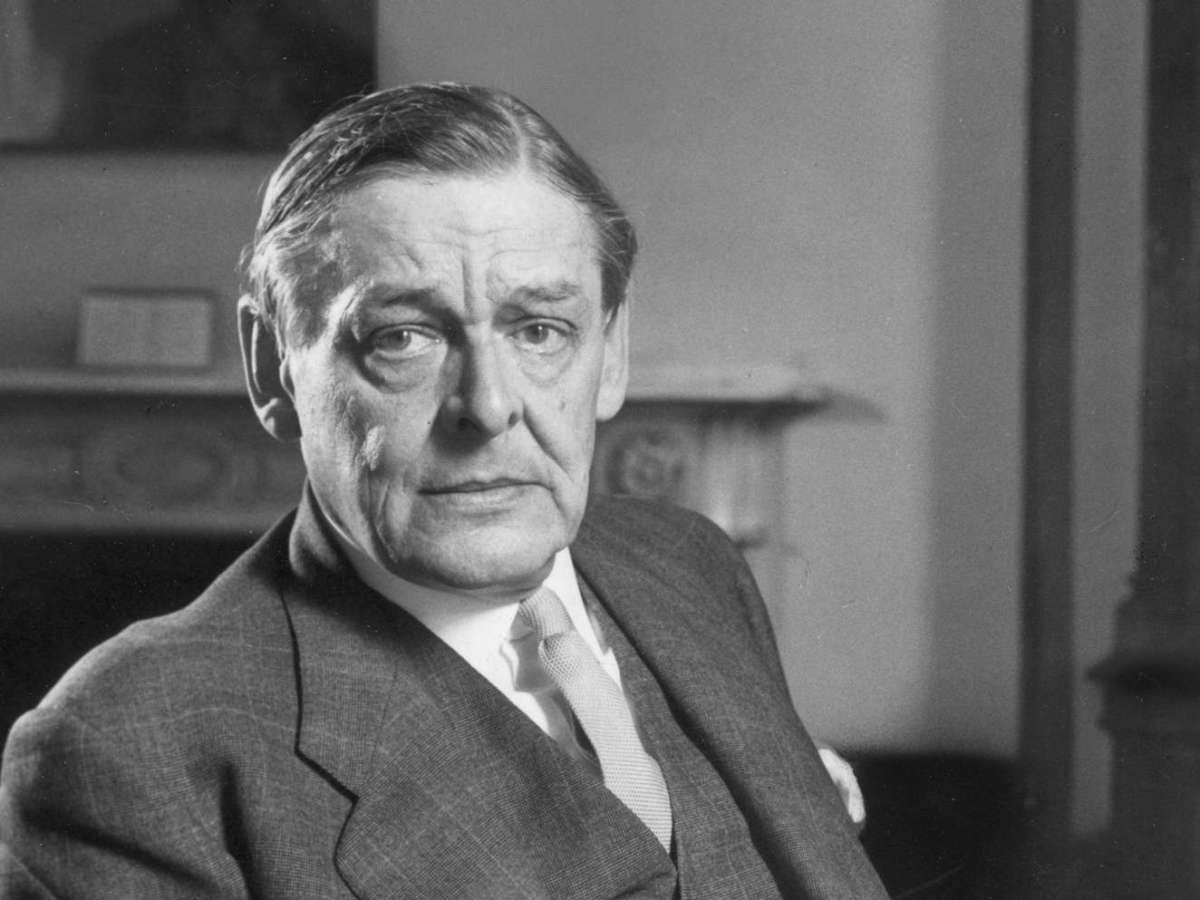
T.S. Eliot’s Curious Indian Connection
T. S. Eliot’s engagement with Indian philosophy transcends superficial references in his poetry, notably The Waste Land. His rigorous study of Sanskrit and Indian texts influenced his literary exploration of cultural exhaustion, spiritual ethics, and action in time. Eliot employs Indian concepts as vital tools for articulating modernist crises rather than mere exotic embellishments.
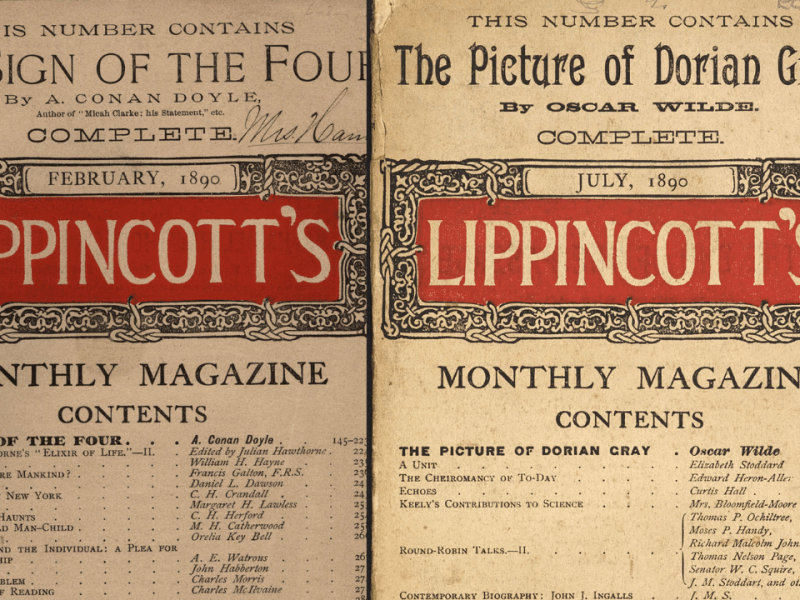
The Night Two Classics Were Born | Arthur Conan Doyle, Oscar Wilde, and the Langham Dinner of August 1889
On August 30, 1889, a pivotal dinner at the Langham Hotel in London, hosted by Joseph Marshall Stoddart, led to significant breakthroughs for writers Arthur Conan Doyle and Oscar Wilde. Doyle was commissioned to write The Sign of the Four, enhancing Sherlock Holmes’ popularity, while Wilde created The Picture of Dorian Gray, igniting debates on…
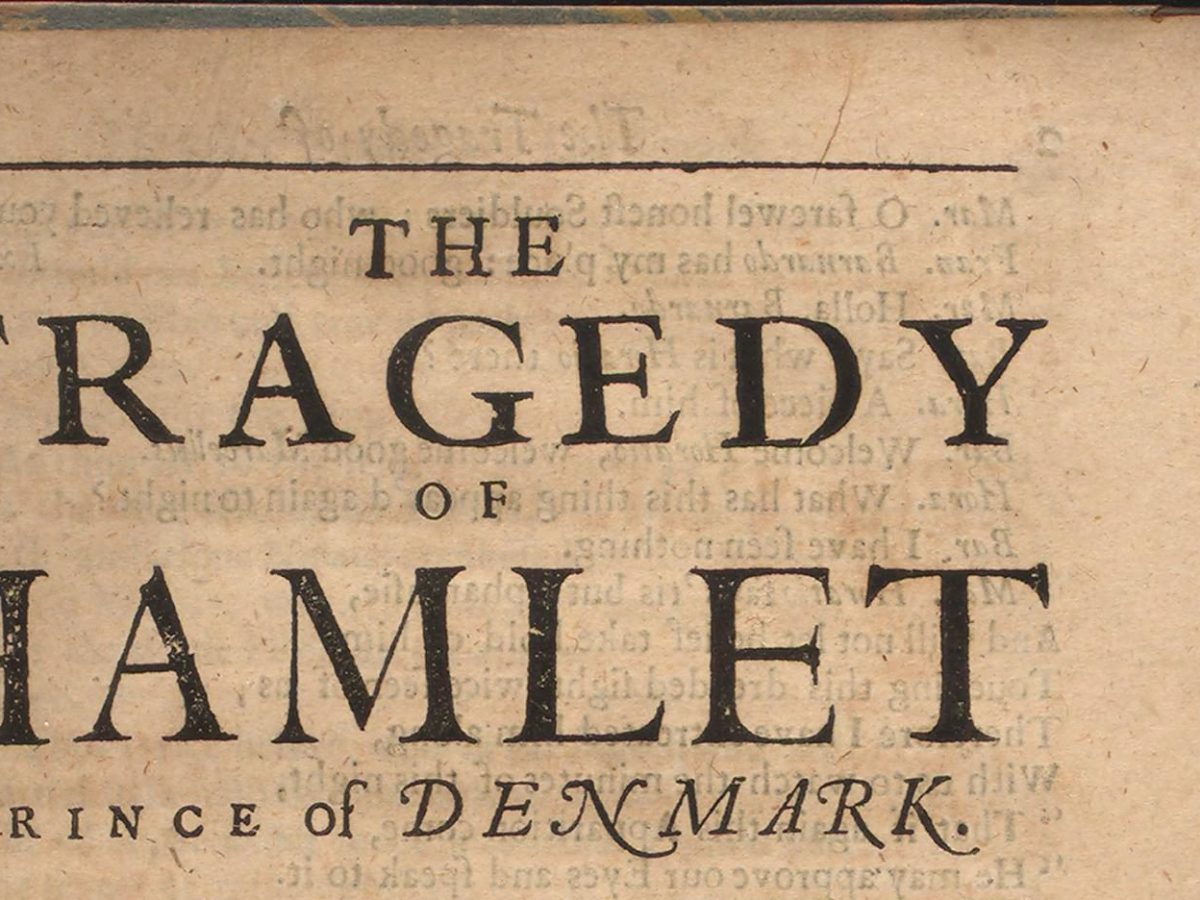
William Shakespeare’s Hamlet (1600-1601) and the Art of the Mixed Metaphor
In Hamlet’s soliloquy, Shakespeare employs mixed metaphors to explore themes of action versus passivity, revealing Hamlet’s inner conflict amidst existential dilemmas. The clash between personal grievances and overwhelming systemic troubles reflects late Elizabethan anxieties, illustrating the complexities of language and its implications in political discourse. This craft enriches the soliloquy’s emotional and rhetorical depth.

Einstein’s Spiritual Life: The Intersection of Science and the Sacred
Albert Einstein is celebrated worldwide as one of the greatest scientific minds of the 20th century. His revolutionary theories of relativity, his deep inquiries into the nature of light, space, and time, and his role in reshaping physics have become part of our cultural fabric. Yet, beyond the mathematics and equations, Einstein also nurtured a…
Something went wrong. Please refresh the page and/or try again.
 Arup K. Chatterjee