
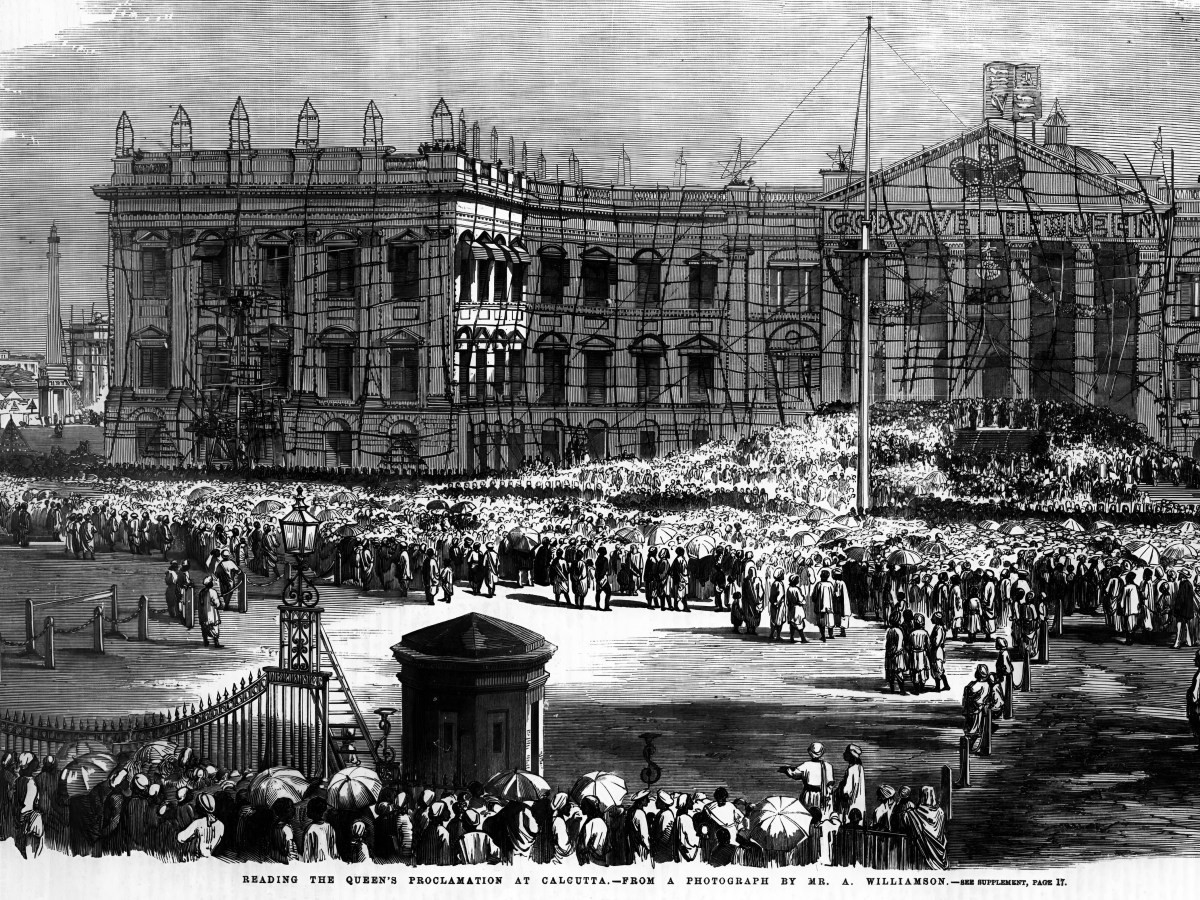
Queen Victoria’s Proclamation in Calcutta in 1858: A Look at an Engraving from The Illustrated London News
The engraving from 1859 depicts Queen Victoria’s Proclamation reading in Calcutta’s Town Hall, marking the British Crown’s authority transfer from the East India Company post-1857 rebellion. The ceremony showcases imperial power’s survival and continuity, emphasizing grandeur and reassurance through architecture and the disciplined crowd, signaling a restored yet complex governance in India.
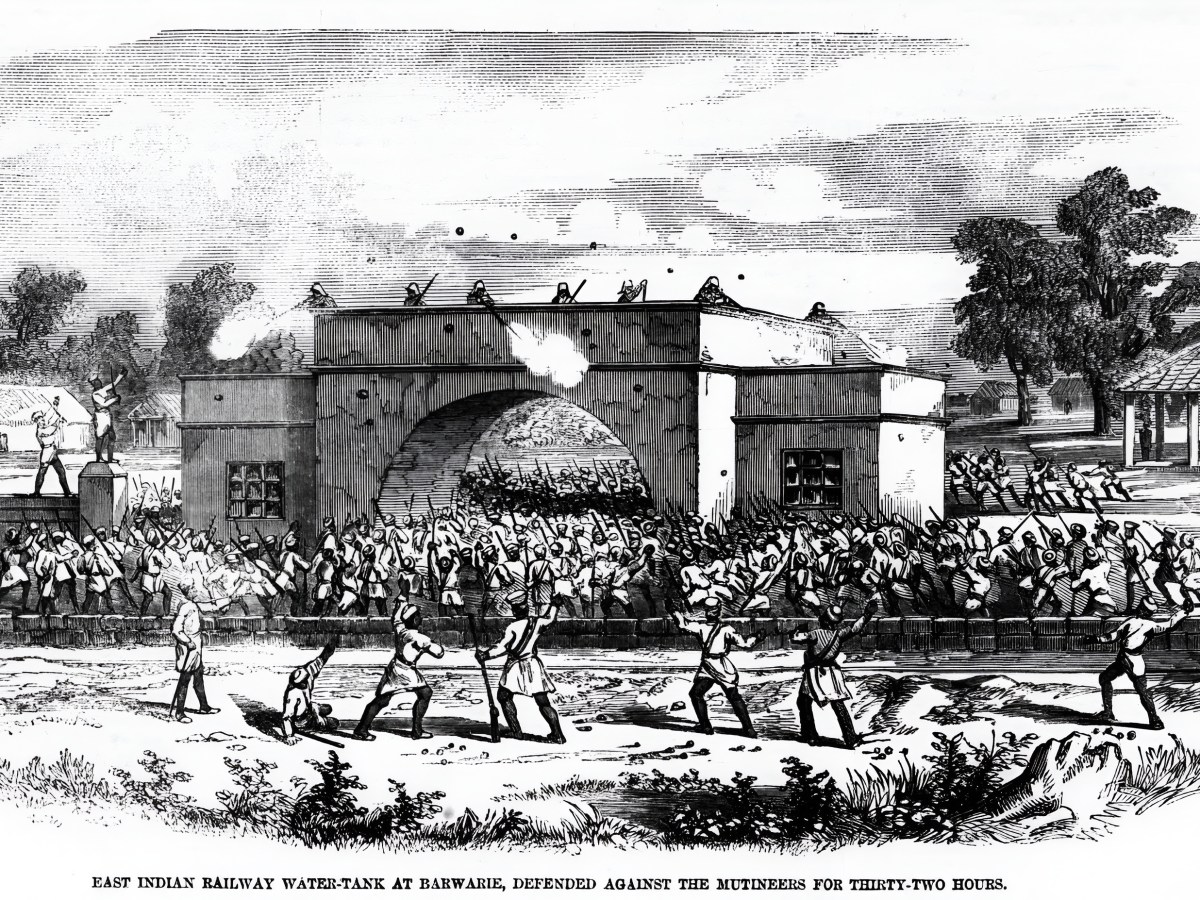
A Railroad Under Siege: What the Uprising of 1857 did to the Indian Railways and British Empire
The connection between the First War of Independence (1857) and the Indian Railways was paradoxical, and therefore deeply revealing. The railways did not merely suffer from the upheaval of 1857, even though they certainly did. The railways were also remade by it, in ways that tied commerce, transport, and empire more tightly together than before.…
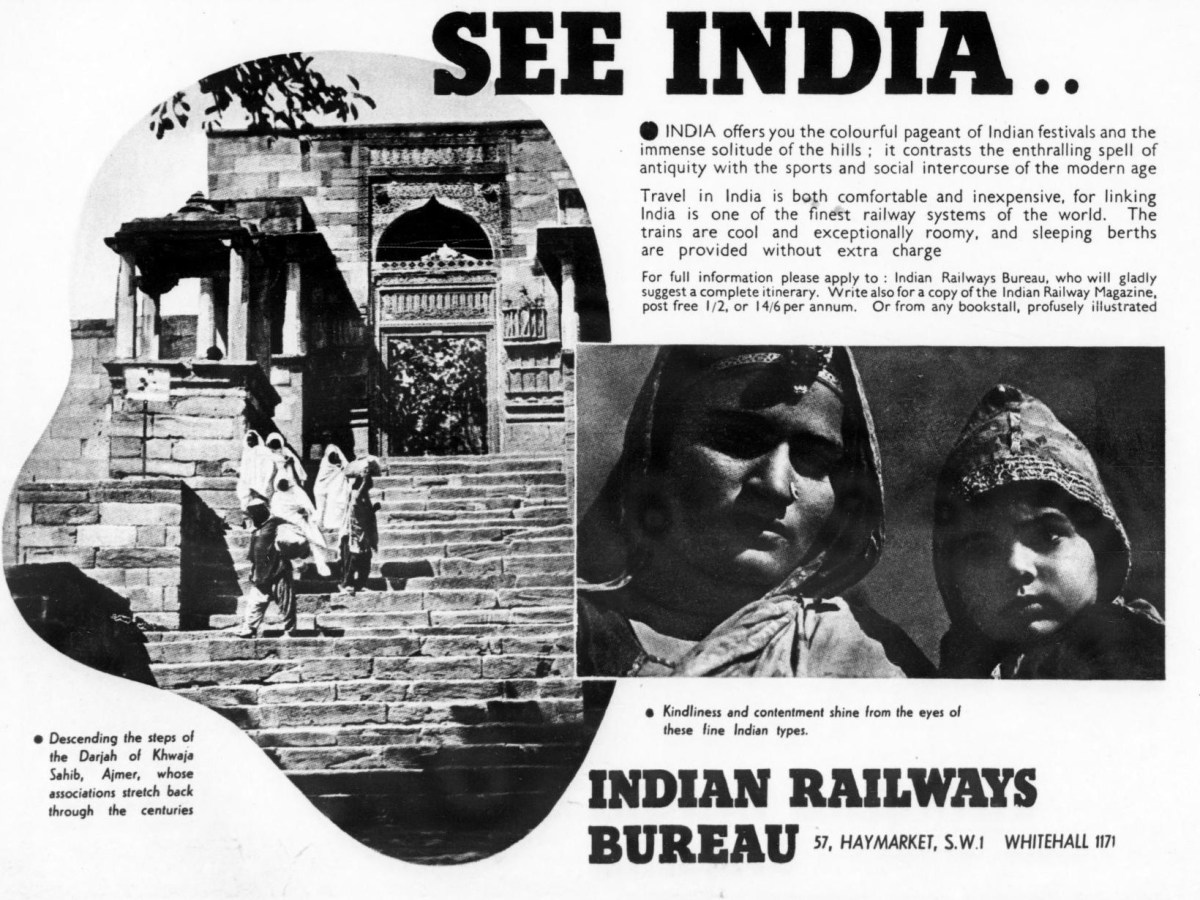
India on Imperial Railways: Colourful Pageants and Indian Festivals
The 1937 advertisement by the Indian Railways Bureau in the Illustrated London News portrays India as an accessible spectacle of culture and comfort for British travelers. Through a collage of monuments and human faces, it evokes imperial confidence, presenting travel as both an adventure and a leisure activity facilitated by colonial infrastructure.
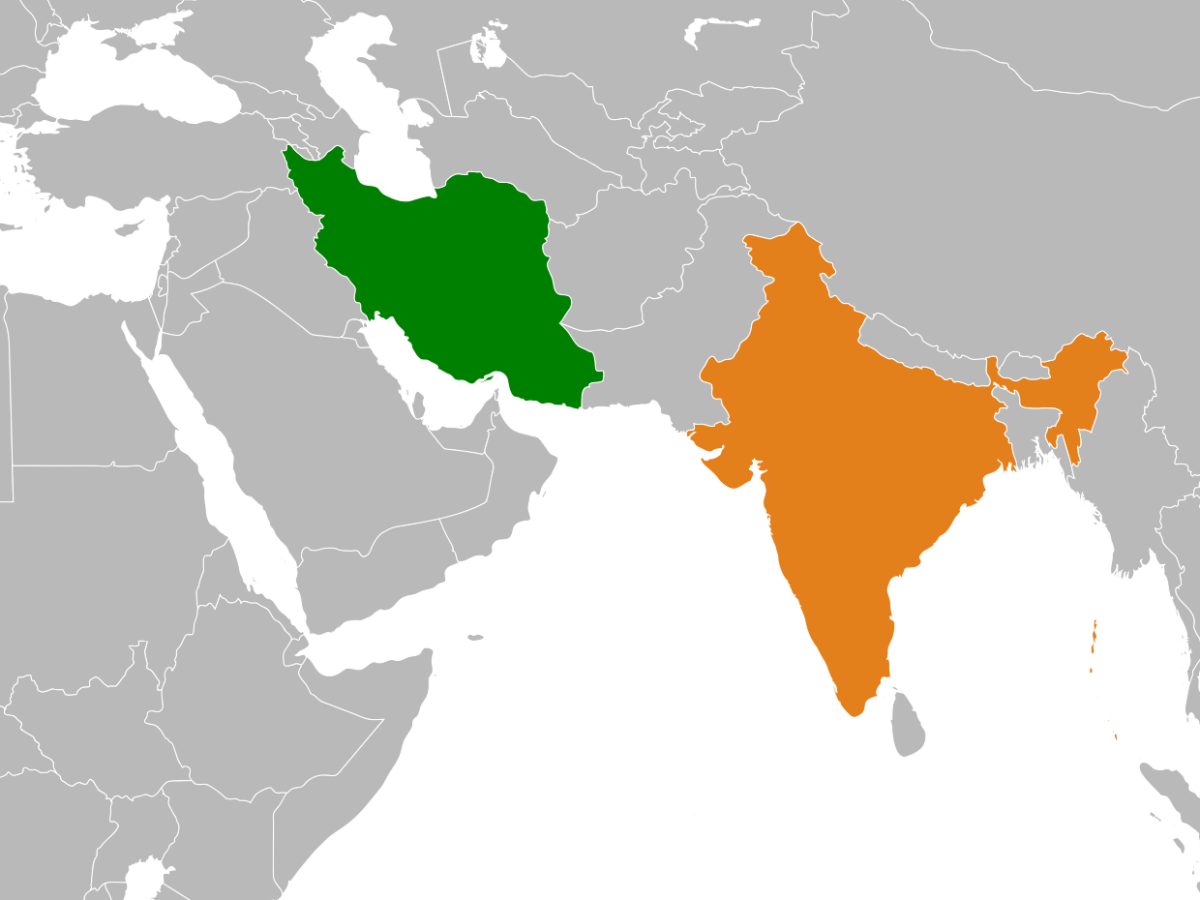
Early Contacts Between India and Iran in Ancient History
The historical relationship between Iran and the Indian subcontinent is marked by migration, technological exchange, and cultural proximity from 3000 to 2000 BCE. Archaeological findings show a shared cultural sphere with significant artefacts, burial customs, and linguistic affinities, underscoring deep-rooted connections that shaped both regions’ early histories.
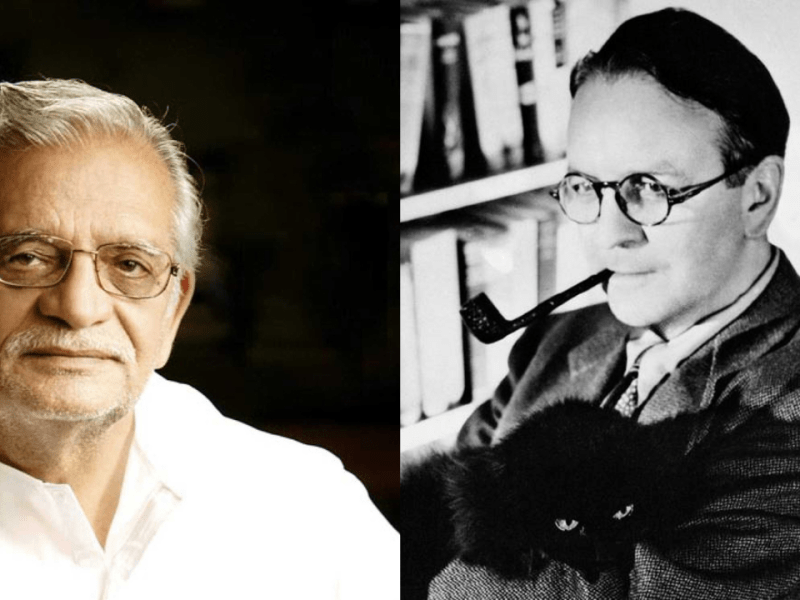
Synesthesia, Raymond Chandler, and Gulzar
In The Elements on Eloquence (2013), Mark Forsyth makes some very pleasant heavy weather of Raymond Chandler’s specimen of synesthesia in The Little Sister: “She smelled the way the Taj Mahal looks by the moonlight.” Published in 1949, it is a novel that one might easily suspect of having been read by someone like the…

Can Artificial Intelligence Think About its Thoughts?
Ricky J. Sethi proposes implementing metacognition in generative AI to enhance self-monitoring and decision-making. By using a metacognitive state vector, AI can evaluate emotion, correctness, and conflicts, enabling better responses. This could improve safety and transparency in fields like medicine and education, though challenges remain in calibration and validation.

The Instagrammatology of the Neoliberal University
The concept of Instagrammatology highlights how universities adopt digital platform logic, prioritizing visibility and engagement over substantive academic labor. Faculty are pressured to produce shareable content, blurring work-life boundaries, undermining scholarship quality, and fostering dependency on institutional feeds. Resistance involves reevaluating metrics, promoting alternative knowledge-sharing methods, and recognizing exploitation within academic practices.

Article 311, Public Servants, and the Conscience of the Indian Constitution
Article 311 ensures that civil service members are protected from arbitrary dismissal, requiring fair inquiry before action. However, exceptions exist for public interest or state security. Recent high-profile dismissals invoke this clause, sparking debate on executive overreach versus necessary action. Courts emphasize the need for documented justification, upholding constitutional principles.

Murder on the Roof in Calcutta, 1790
In 1790, an Indian petitioner, a young Sikh, climbed the steps of the house of Peter Speke (a member of the Supreme Council of Calcutta) in the compound that later became part of the Museum grounds. The Indian came with a grievance and a request for redress. Speke, a senior official whose term as a…
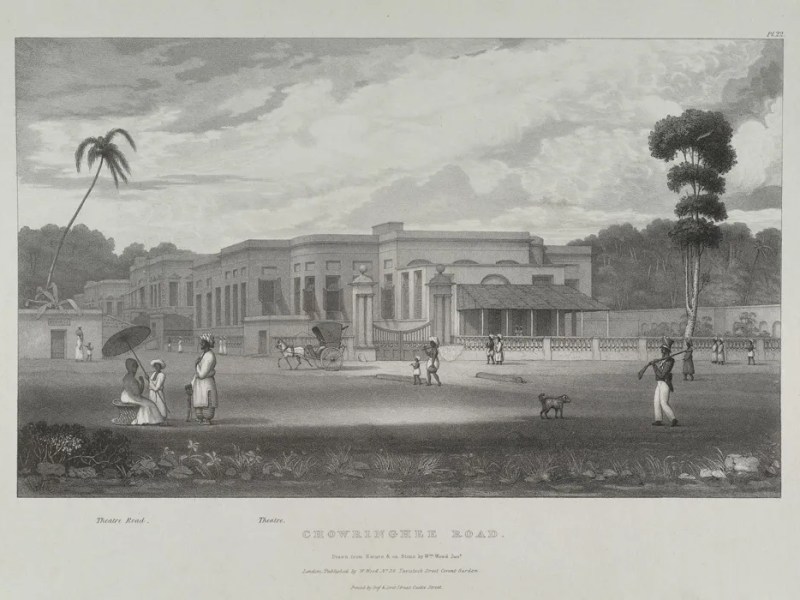
The Night Chowringhee Burned: The 1839 Fire That Ended Calcutta’s Grandest Theatre
On May 31, 1839, the Chowringhee Theatre in Calcutta ignited, symbolizing not just a loss of architecture but uncovering themes of leisure, risk, and gender in early colonial life. The fire impacted local livelihoods reliant on the theatre, notably affecting performers like Mrs. Leach, illustrating the precarious nature of theatrical work amidst inadequate safety measures.
Something went wrong. Please refresh the page and/or try again.
 Arup K. Chatterjee