
This page features multithemed conversations between Arup K. Chatterjee (author, educator, and historian) and scholars, educators, researchers, thinkers, on subject ranging across literature, history, culture studies, interdisciplinary areas of scholarship, literary writings, current affairs, philosophy, and science. The podcasts are hosted on Arup K. Chatterjee’s YouTube Channel. The segment also features readings of poetry, audio essays, and literary writings.
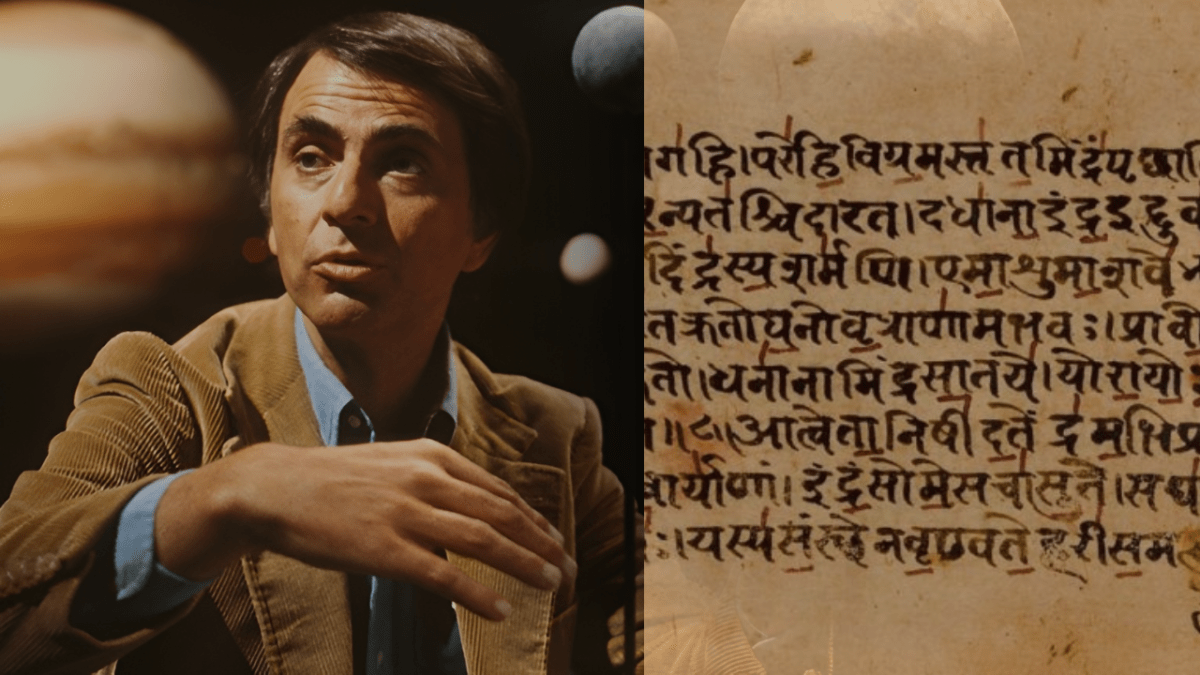
Carl Sagan on the Rig Veda | Nasadiya Sukta to Astronomy | Legends of Vedanta #2
Carl Sagan’s admiration for the ancient Rigveda hymn, the Nasadiya Sukta, highlights a shared inquiry into existence. Both Sagan and the hymn embrace skepticism, humility, and the importance of questioning. Their dialogue across time emphasizes that mystery and doubt are essential to knowledge, fostering a spirit of curiosity and respectful exploration.
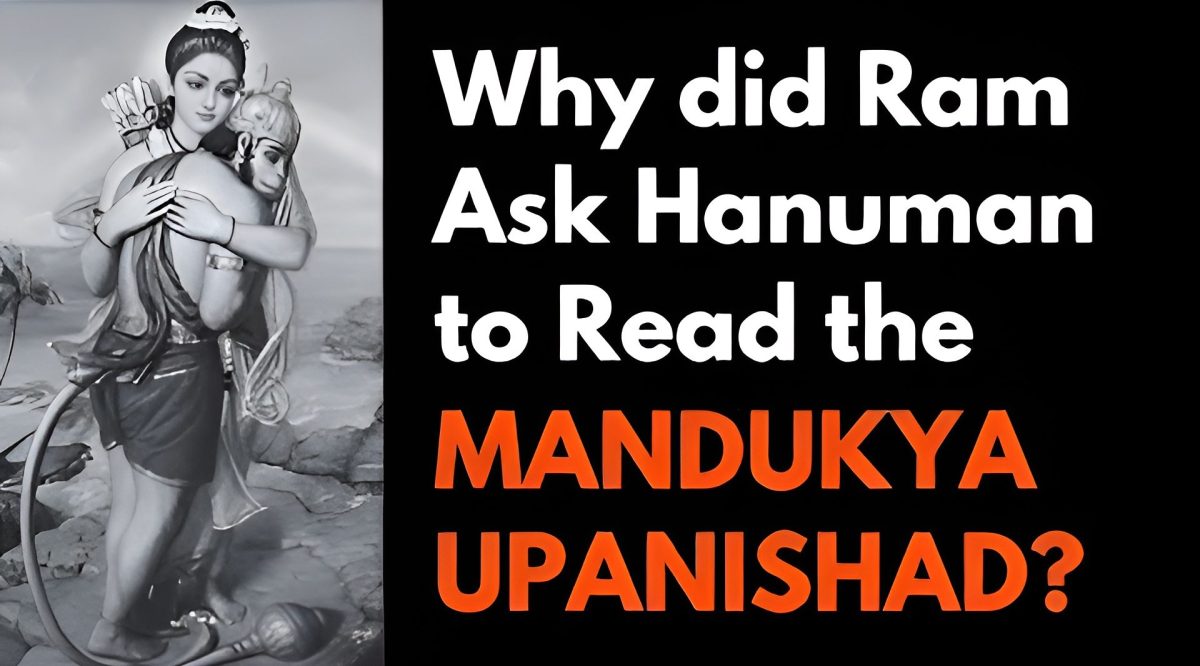
When Ram Asked Hanuman to Read the Mandukya Upanishad | Legends of Vedanta #1
The segment “Legends of Vedanta” explores the Vedantic tradition, emphasizing that true understanding transcends rituals and dogma. It shares stories, including one about Hanuman and a lesson from Sage Ashtavakra regarding King Janaka’s dream, highlighting the core message: our self-awareness is the only absolute truth in the Vedantic philosophy.
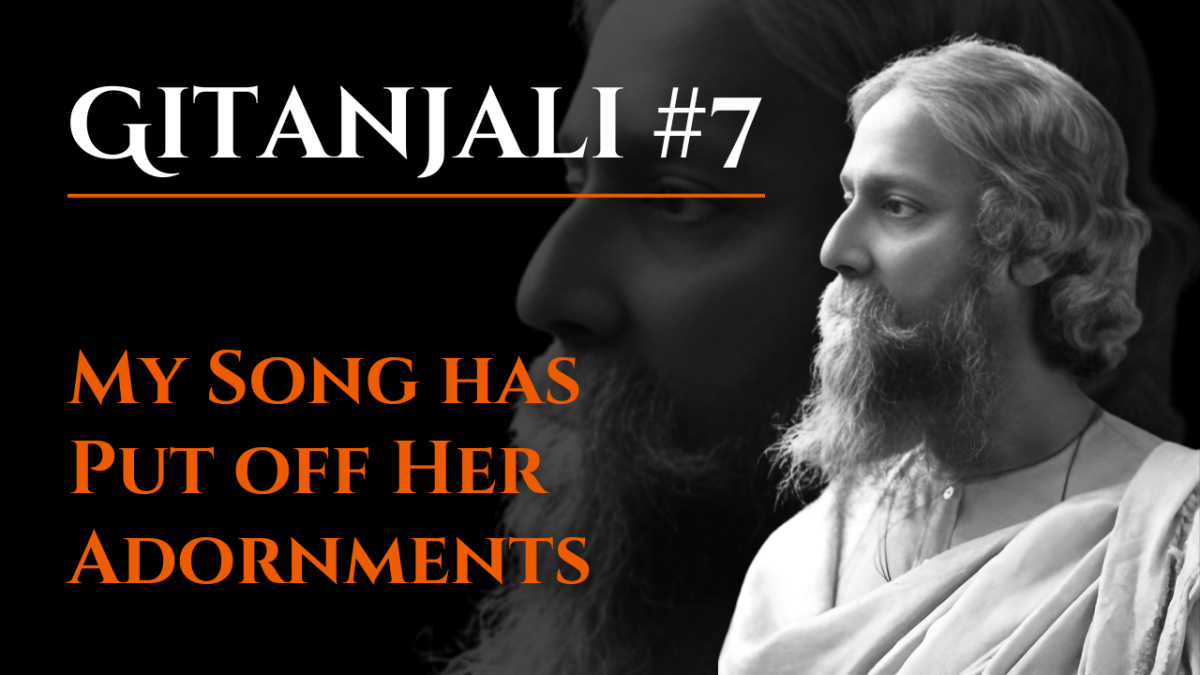
My Song Has Put Off Her Adornments | Gitanjali #7 | Rabindranath Tagore
The seventh poem of Gitanjali emphasizes simplicity and receptivity. The speaker seeks intimacy by shedding vanity, presenting a humble self that embodies a flute, ready to receive another’s breath. This act of devotion prioritizes being a conduit for music over seeking applause, celebrating the beauty of being a prepared vessel for connection.
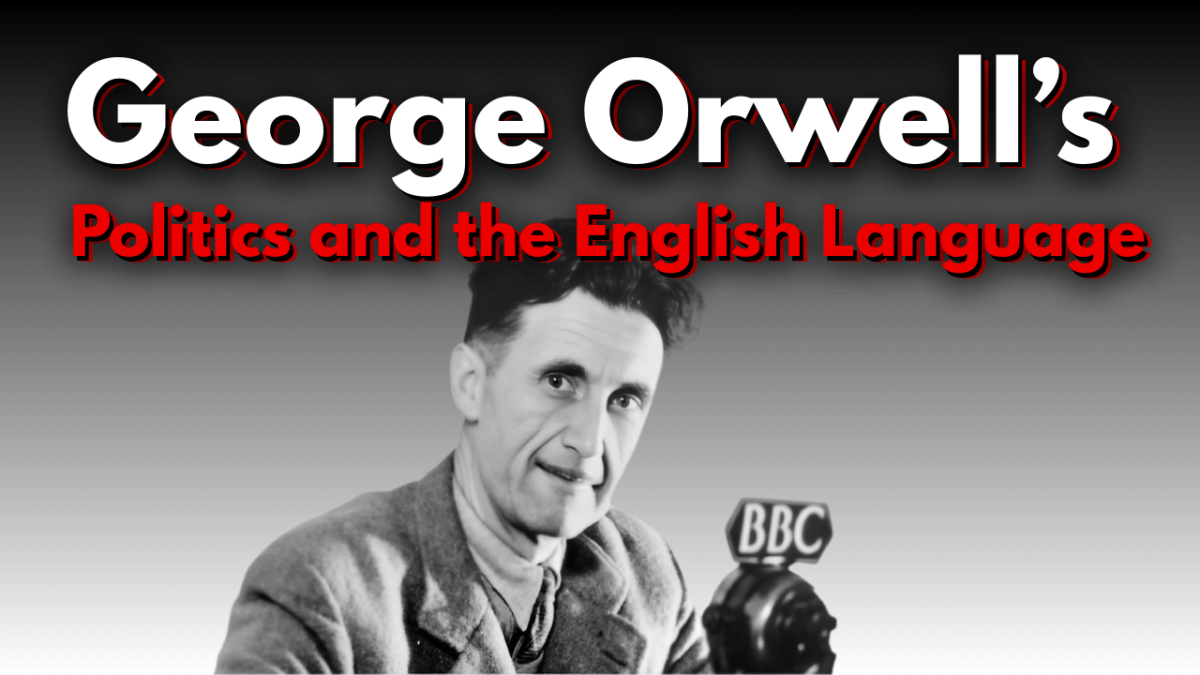
Revisiting George Orwell’s “Politics and the English Language”
George Orwell’s essay “Politics and the English Language,” written in 1946, has been a staple of the curricular diet for generations of students over the decades across universities of the world. In that essay, Orwell treats thought and language as being in a dialectical relationship. While we may suppose that the one simply determines the…
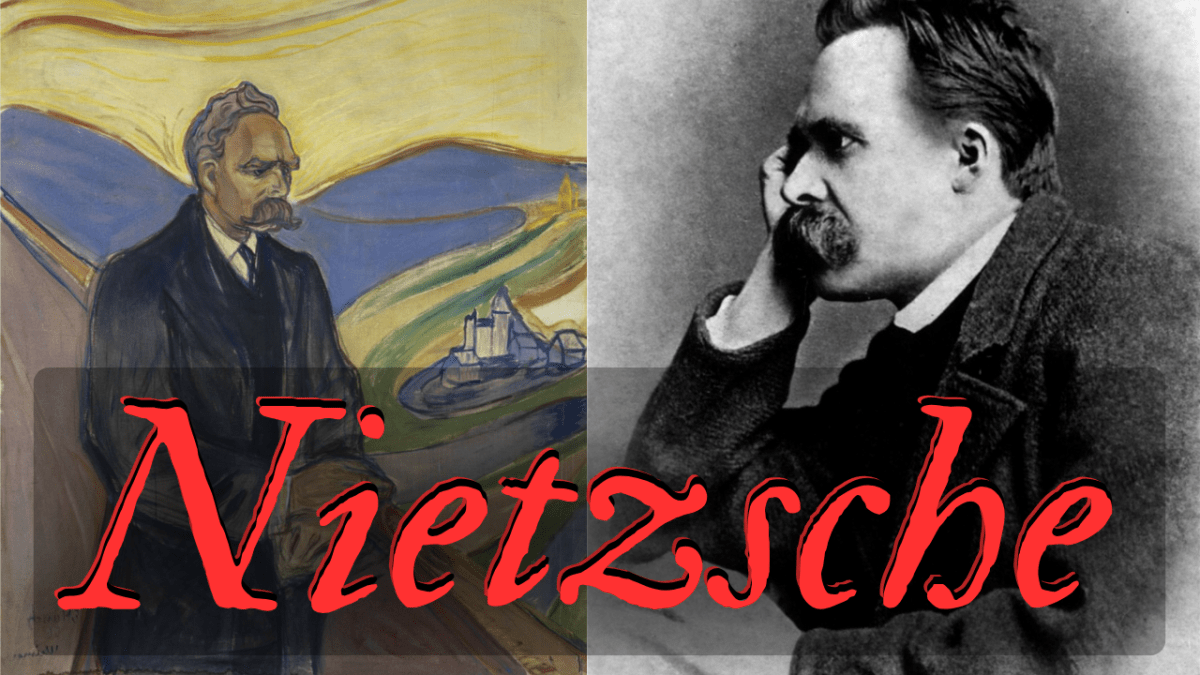
Friedrich Nietzsche: The Philosopher Who Didn’t Kill God
At forty-four years of age, Friedrich Nietzsche, reportedly, collapsed in a street in Turin. A horse was being whipped, and Nietzsche ran toward it; so one believes. He wrapped his arms around its neck and, apparently, the world’s most dangerous philosopher began sobbing.
Pluck This Little Flower and Take It | Gitanjali #6 | Rabindranath Tagore
In Rabindranath Tagore’s sixth poem from Gitanjali, the speaker urges the immediate offering of a humble flower, symbolizing the ordinary self. This reflects a deep understanding of time and readiness, emphasizing sincerity over grandeur. The poem highlights that spiritual life encourages present devotion and participation rather than delayed perfection.
I Ask For a Moment’s Indulgence, to Sit by Thy Side | Gitanjali #5 | Rabindranath Tagore
Rabindranath Tagore’s fifth poem from Gitanjali highlights the importance of spiritual presence over continuous toil. It advocates for moments of stillness beside the spiritual master, revealing that true guidance comes from inner attention rather than effort. This pause reestablishes the connection to life’s source, transforming rest into a devoted act.
Life of my Life, I Shall Ever Try to Keep My Body Pure | Gitanjali #4 | Rabindranath Tagore
Rabindranath Tagore’s fourth poem from Gitanjali emphasizes the integration of the inner self with outward actions. It advocates for purity, truth, and love as practices, making the divine presence manifest in daily life. The poem portrays spirituality as a lived discipline, urging attention to small acts that reveal the universal spirit.
I Know Not How Thou Singest, My Master | Gitanjali #3 | Rabindranath Tagore
Rabindranath Tagore’s third poem from Gitanjali explores the connection between the human and divine through music. It emphasizes surrender and nonduality, portraying the heart as a vessel for song. The poem invites readers to embrace silence and recognition, illustrating how music reinforces unity and transforms self-perception into an expansive experience.
When Thou Commandest Me to Sing | Gitanjali #2 | Rabindranath Tagore
Rabindranath Tagore’s second poem from Gitanjali emphasizes singing as an act of surrender and devotion rather than performance. It transforms pain into harmony and conveys freedom through trust in surrender. The poem highlights intimacy between the beloved and the singer, illustrating how genuine expression bridges the sacred and the human experience, transcending individual identity.
Thou Has Made me Endless | Gitanjali #1 | Rabindranath Tagore
Rabindranath Tagore’s first poem from Gitanjali explores themes of spiritual renewal through imagery of emptiness and filling. It emphasizes the importance of openness and humility, suggesting that everyday experiences can reveal a larger presence. The poem invites readers to embrace continuous giving and receiving, finding meaning in simplicity across various traditions.
The Machiavelli Paradox: On Why Leaders Court Blame
Arup K. Chatterjee’s audio essay interprets Machiavelli’s The Prince for contemporary governance, urging ordinary leaders of small entities to prioritize action over reputation. He emphasizes the importance of accountability, understanding consequences of blame, and maintaining a practical approach to leadership. Ultimately, serving duty outweighs the vanity of innocence.

Dhurandhar’s Gaze on Lyari, Karachi, and Pakistan | How an Indian Film Humanized Rehman Baloch
My interest in Dhurandhar lies in what the film indexes about India’s ethnographic gaze on Pakistan. The thesis I want to lay out is rather straightforward. Dhurandhar is remarkable measure of India’s ethnographic familiarity with Pakistan. It signals that Pakistan’s internal splintering is visible to the Indian state, to Indians and, through them, even to…

The Lone Scion of Corleone
The poem portrays a struggle between innocence and fate, using imagery of dark, sensitive eyes foreseeing a grim destiny. Despite awareness, there is a strong resolve to rise again, drawing strength from nature. The metaphors emphasize resilience against superficiality, with a connection to mysticism and legacy, invoking themes of defiance and renewal.

Freedom from Fear | A Poem by Rabindranath Tagore | Read by Arup K. Chatterjee
This episode features a reading of Rabindranath Tagore’s poem “Freedom,” exploring its contemporary relevance. Written in 1917, it emphasizes inner liberation over political protest, critiquing societal inertia and urging a transformation of consciousness. Tagore’s vision highlights the necessity of ethical responsibility, connecting personal and collective struggles for true emancipation.
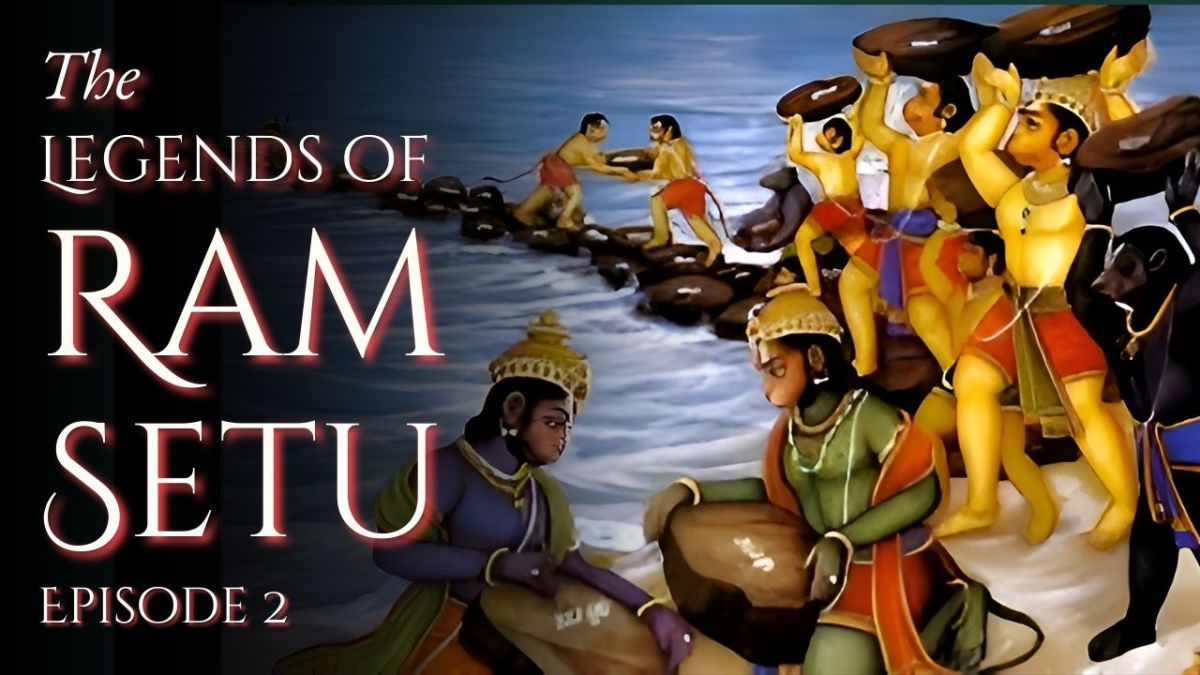
Ram Setu Through the Eyes of a Seventeenth-Century European Scholar | The Legends of Ram Setu | Episode 2 | A Podcast Series by Arup K. Chatterjee
In the second episode of The Legends of Ram Setu, Arup K. Chatterjee explores the historical and cultural significance of Ram Setu, also known as Adam’s Bridge. He examines 17th-century accounts by Philippus Baldaeus, emphasizing a balanced understanding of its geological and mythological dimensions, advocating for evidence-based discussions over superstition.
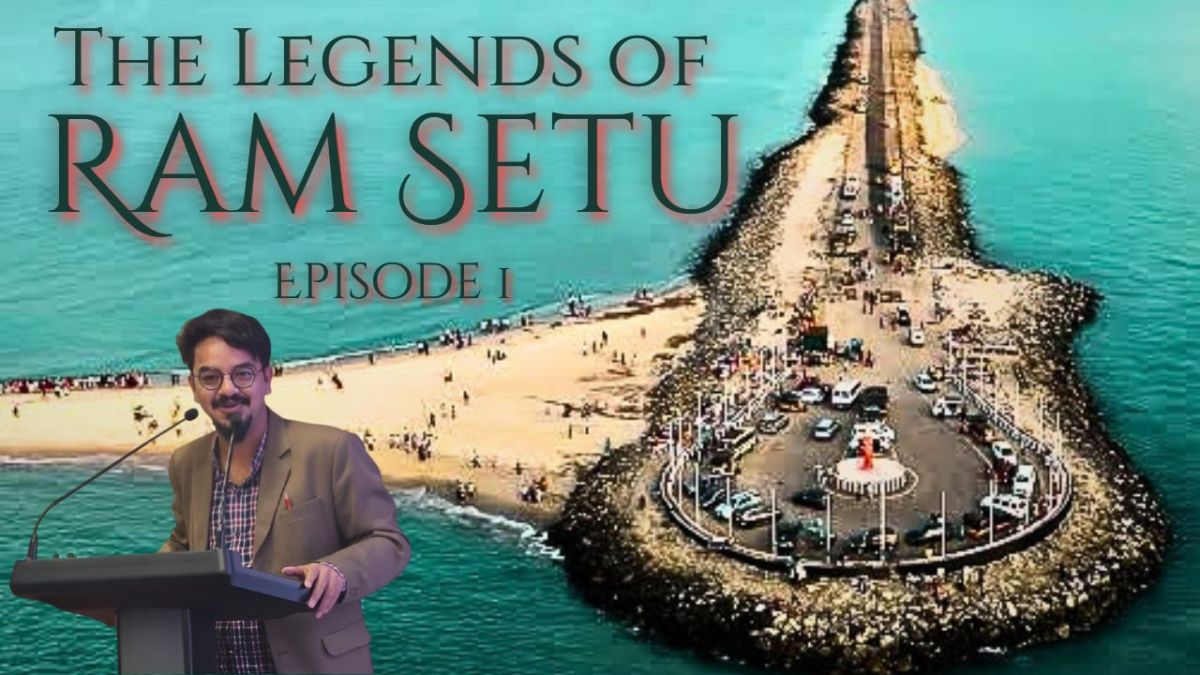
“Why I Wrote Ram Setu” | The Legends of Ram Setu | Episode 1 | A Podcast Series by Arup K. Chatterjee
In the premiere episode of Legends of Ram Setu, Arup K. Chatterjee discusses Ram Setu’s historical, cultural, and ecological significance. His extensive research, leading to two books, explores the complexities surrounding the bridge, emphasizing its sacred geography while advocating for a nuanced dialogue between faith, science, and community, avoiding binary oppositions.
Applied Spirituality, Science, and Public Policy | Arup K. Chatterjee with Naresh Singh
In this follow-up episode of Legends of the Philosophy of Science, Arup K. Chatterjee returns in conversation with Professor Naresh Singh to explore a question that sits at the crossroads of modern life: Can spirituality meaningfully inform public policy? Moving “slightly counterintuitive,” as Arup K. Chatterjee puts it, the discussion shifts from equations and experiments…
Rationality, Intuition, and the Future of Knowledge | Arup K. Chatterjee with Naresh Singh
In a discussion on the balance of rationality and intuition, Professor Naresh Singh highlights the dangers of overvaluing scientific rationality, leading to societal disconnection and environmental crises. He criticizes data fetishization and advocates for understanding individuality as embodied consciousness. The dialogue emphasizes academic responsibility and the need for integrating spiritual insights into science.
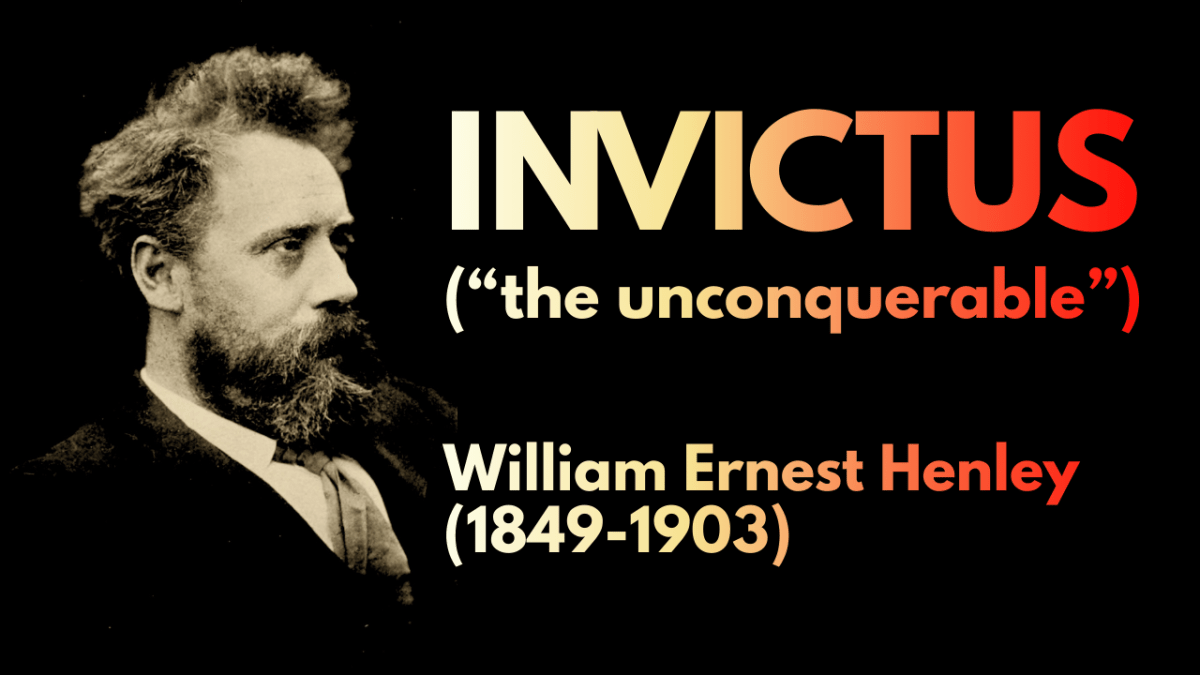
“Invictus” | A Poem by William Ernest Henley | Read by Arup K. Chatterjee
William Ernest Henley’s poem “Invictus,” written during his recovery from a serious illness, embodies personal resilience and moral independence. It asserts the power of human will against hardship, famously inspiring Nelson Mandela during his imprisonment. The poem encourages facing suffering with defiance, reinforcing the message of inner strength and self-mastery.

“Ode to Autumn” | A Poem by John Keats | Read by Arup K. Chatterjee
John Keats’s “To Autumn” is a profound ode celebrating the season’s rich beauty and transience. Composed in 1819, it explores abundance, decay, and the beauty of life’s cycles. The poem emphasizes presence and appreciation in a fast-paced world while highlighting the delicate interplay between humanity and nature. Its resonant themes offer timeless wisdom.

“I am Nobody! Who Are You?” | A Poem by Emily Dickinson | Read by Arup K. Chatterjee
Emily Dickinson’s “I’m Nobody! Who are you?” is one of her most playful yet incisive explorations of identity, anonymity, and the quiet freedom found outside the gaze of public expectation. Composed in the characteristically brief and enigmatic style that defines much of her work, the poem turns the idea of social recognition on its head.…
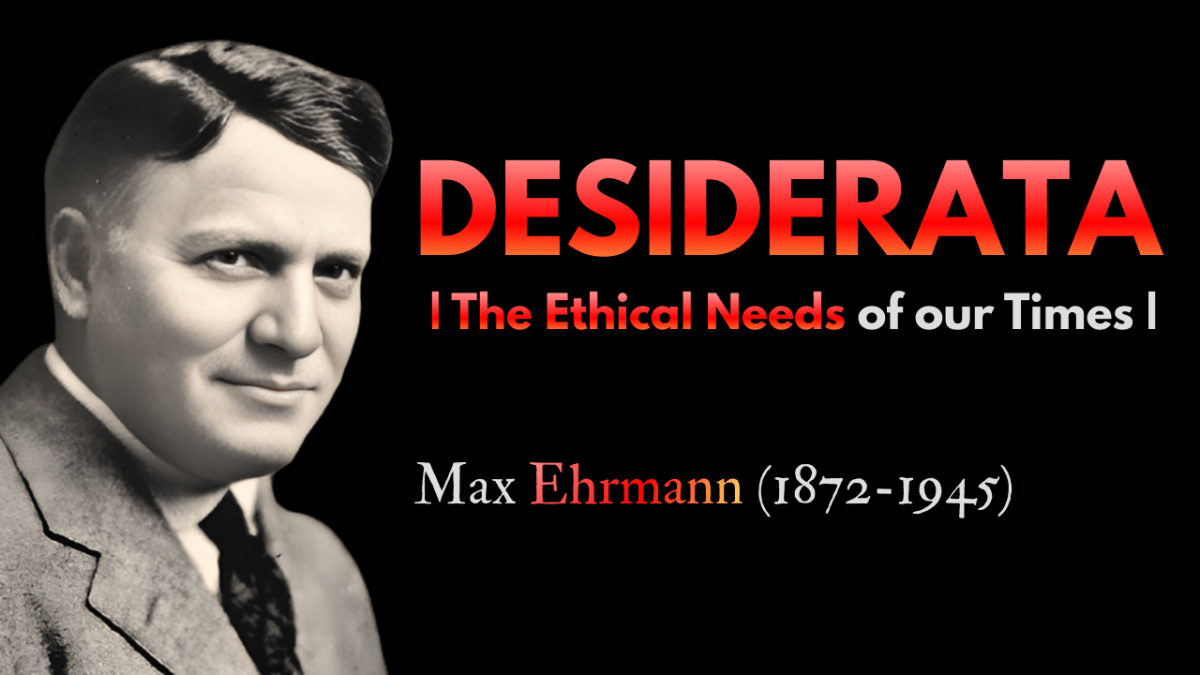
“Desiderata” | A Poem by Max Ehrmann | Read by Arup K. Chatterjee
Max Ehrmann’s “Desiderata,” written in 1927, offers timeless guidance for achieving clarity and inner peace amidst life’s challenges. It emphasizes mindfulness, compassion, and embracing imperfection, advocating for a simple, grounded approach to life. The poem encourages readers to pursue their ambitions with humility while maintaining inner serenity and connection to universal truths.
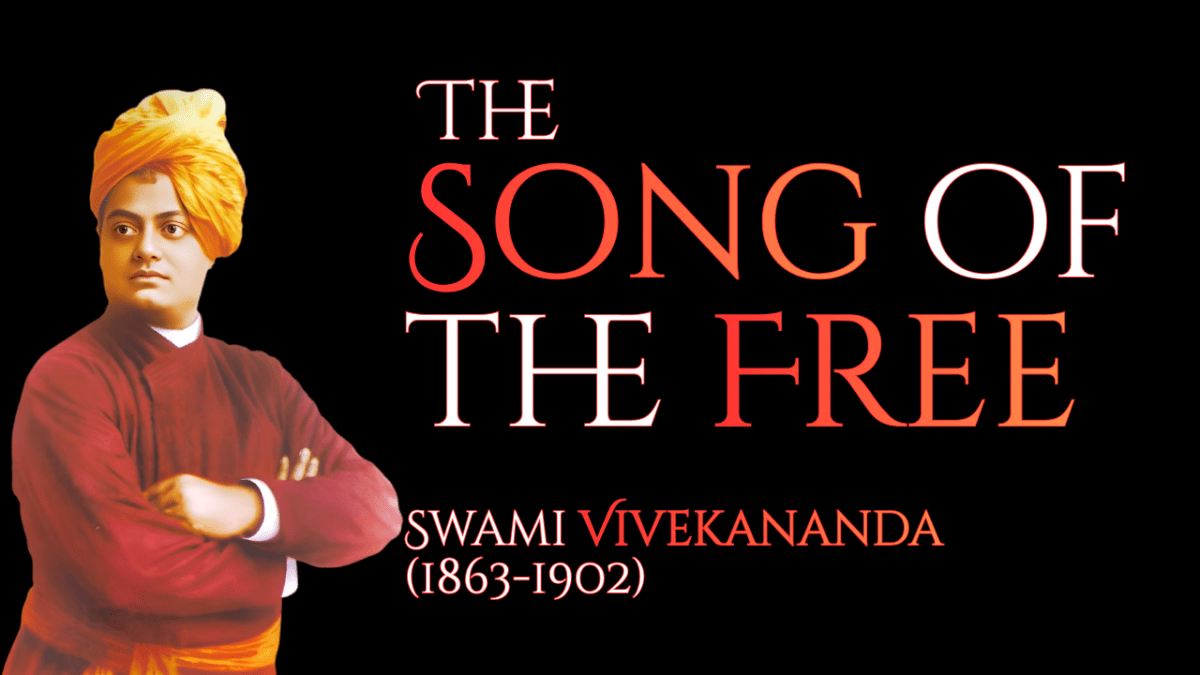
“The Song of the Free” | A Poem by Swami Vivekananda | Read by Arup K. Chatterjee
Swami Vivekananda’s “The Song of the Free” is one of his most soaring poetic affirmations of spiritual fearlessness, inner sovereignty, and the boundless nature of the Self. Composed in the cadence of a hymn yet driven by the urgency of a revolutionary manifesto, the poem declares the triumph of the soul over all limitations —…

“A Song on the End of the World” | A Poem by Czeslaw Milosz | Read by Arup K. Chatterjee
Czesław Miłosz’s poem “A Song on the End of the World,” written during World War II, contemplates catastrophe through the lens of ordinary life. It reveals how crises unfold amid daily routines, emphasizing human perception of danger and the fragility of existence. Miłosz’s work challenges readers to recognize underlying vulnerabilities while appreciating life’s quiet miracles.
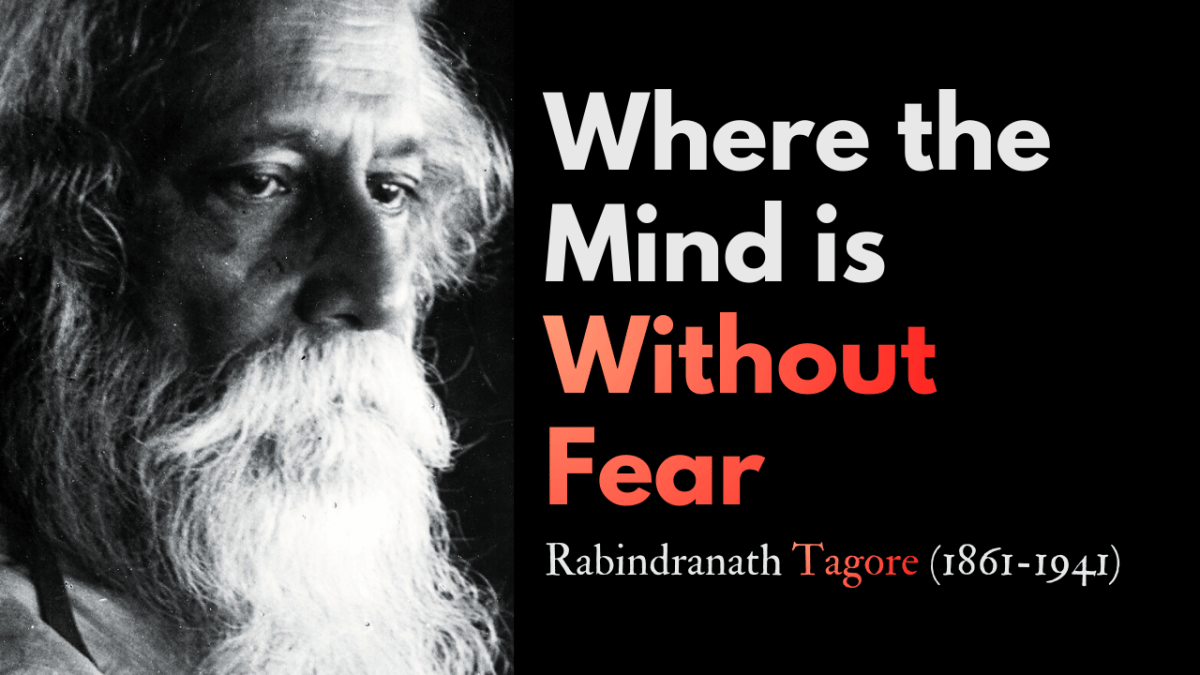
“Where the Mind Is Without Fear” | A Poem by Rabindranath Tagore | Read by Arup K. Chatterjee
Rabindranath Tagore’s poem “Where the Mind is Without Fear” from Gitanjali serves as a powerful call for ethical integrity and moral clarity. It emphasizes the importance of intellectual freedom, truth, and collective responsibility, resonating with contemporary issues like misinformation and societal polarization, urging citizens to uphold clarity and honesty in a changing world.
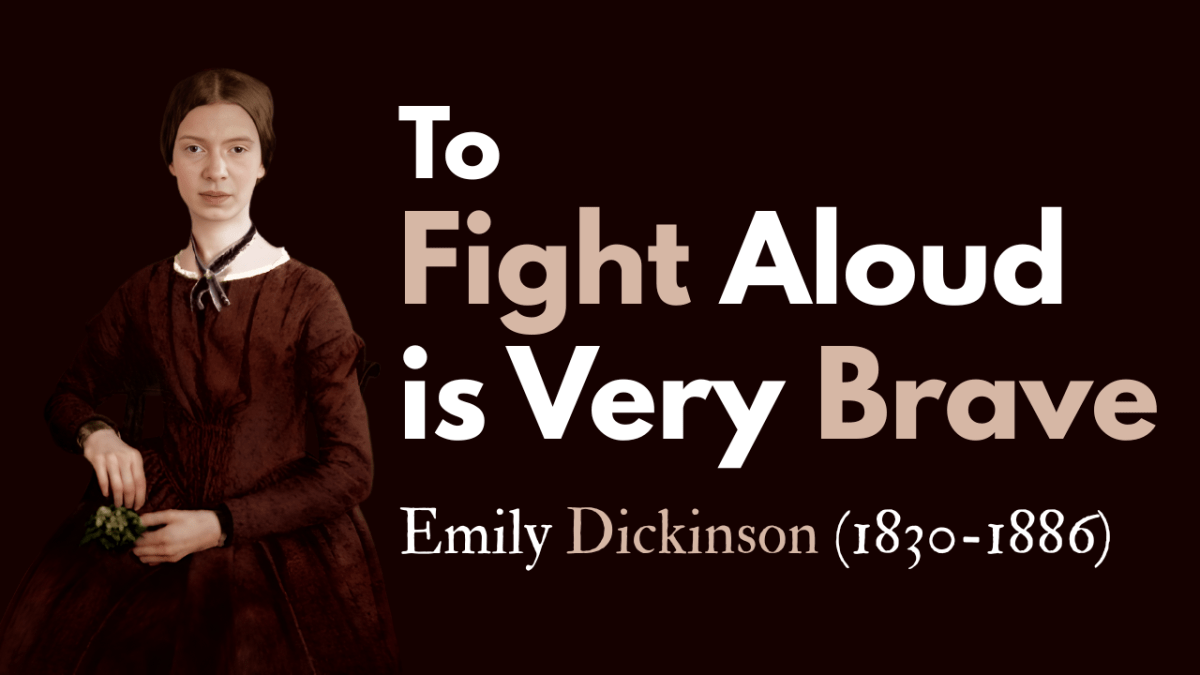
“To Fight Aloud is Very Brave” | A Poem by Emily Dickinson | Read by Arup K. Chatterjee
In “To Fight Aloud is Very Brave,” Arup K. Chatterjee delivers Emily Dickinson’s powerful poem with clarity, emphasizing her incisive moral insights and authoritative tone. The reading addresses themes of courage and endurance, making the poem’s significant questions resonate instantly with listeners in an intimate and unembellished manner.

“The True Knowledge” | A Poem of Wisdom by Oscar Wilde | Read by Arup K. Chatterjee
Arup K. Chatterjee reads Oscar Wilde’s poem “The True Knowledge,” delving into themes of sorrow, love, and inner understanding. The reading is enhanced by Erik Satie’s Gnosienne No. 1, performed by Abydos Music, creating a therapeutic experience for those seeking calm and deeper insight into Wilde’s profound poetry.
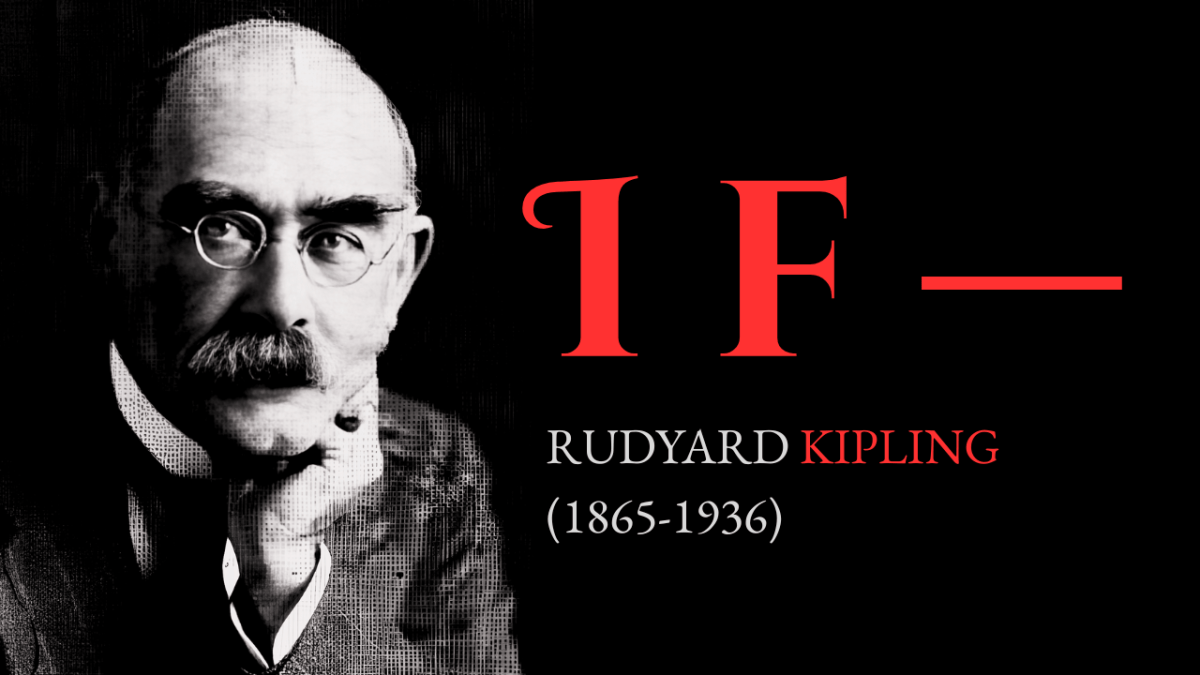
“If” | An Inspirational Poem by Rudyard Kipling | Read by Arup K. Chatterjee
Rudyard Kipling’s poem “If—” serves as a timeless guide to resilience and moral courage, emphasizing composure amidst chaos and equanimity in success and failure. Its paternal advice resonates across generations, encouraging patience, humility, and endurance. Despite Kipling’s complex legacy, “If—” focuses on universal virtues that inspire personal growth and integrity.

Spinoza’s ‘God,’ Archetypes, Heisenberg, and Rupert Sheldrake | Arup K. Chatterjee and Sudip Patra
In this episode of Legends of the Philosophy of Science, Arup K. Chatterjee and Dr. Sudip Patra discuss the intersections of science, spirituality, and the marginalization of Indian scientists. They argue for a deeper engagement with metaphysical concepts, explore archetypes in mathematics, and highlight the contributions of figures like Jagadish Chandra Bose to enrich scientific…
Something went wrong. Please refresh the page and/or try again.
 Arup K. Chatterjee