

The Lone Scion of Corleone
The poem portrays a struggle between innocence and fate, using imagery of dark, sensitive eyes foreseeing a grim destiny. Despite awareness, there is a strong resolve to rise again, drawing strength from nature. The metaphors emphasize resilience against superficiality, with a connection to mysticism and legacy, invoking themes of defiance and renewal.

Freedom from Fear | A Poem by Rabindranath Tagore | Read by Arup K. Chatterjee
This episode features a reading of Rabindranath Tagore’s poem “Freedom,” exploring its contemporary relevance. Written in 1917, it emphasizes inner liberation over political protest, critiquing societal inertia and urging a transformation of consciousness. Tagore’s vision highlights the necessity of ethical responsibility, connecting personal and collective struggles for true emancipation.
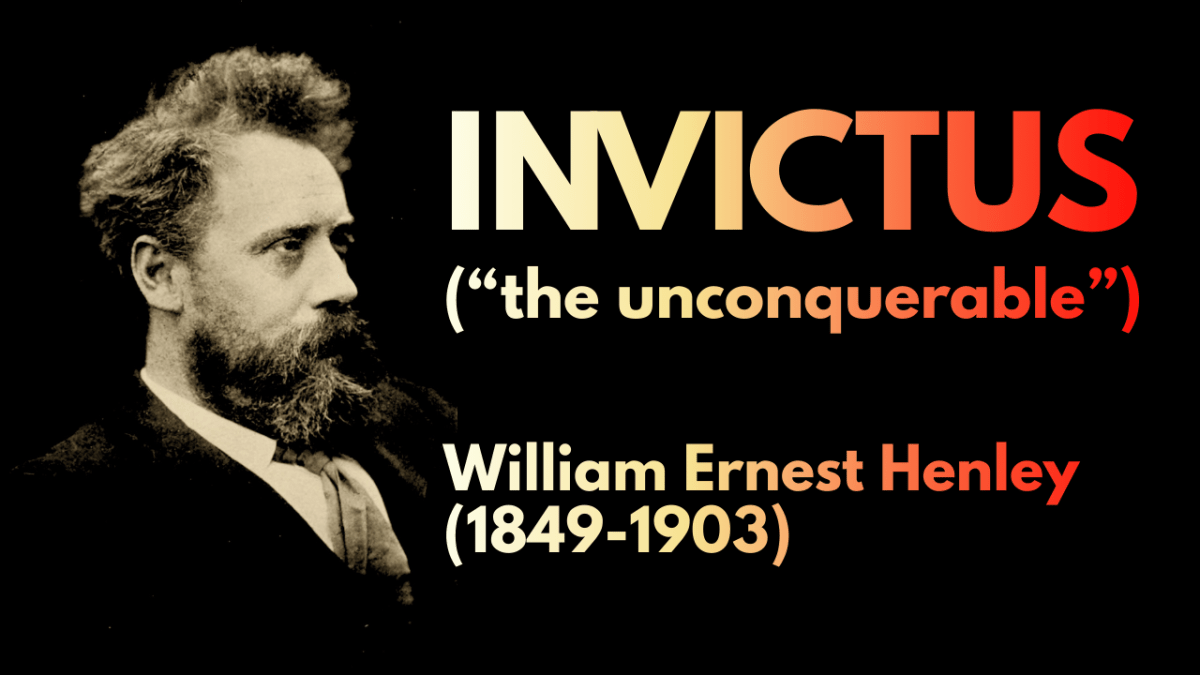
“Invictus” | A Poem by William Ernest Henley | Read by Arup K. Chatterjee
William Ernest Henley’s poem “Invictus,” written during his recovery from a serious illness, embodies personal resilience and moral independence. It asserts the power of human will against hardship, famously inspiring Nelson Mandela during his imprisonment. The poem encourages facing suffering with defiance, reinforcing the message of inner strength and self-mastery.

“Ode to Autumn” | A Poem by John Keats | Read by Arup K. Chatterjee
John Keats’s “To Autumn” is a profound ode celebrating the season’s rich beauty and transience. Composed in 1819, it explores abundance, decay, and the beauty of life’s cycles. The poem emphasizes presence and appreciation in a fast-paced world while highlighting the delicate interplay between humanity and nature. Its resonant themes offer timeless wisdom.

“I am Nobody! Who Are You?” | A Poem by Emily Dickinson | Read by Arup K. Chatterjee
Emily Dickinson’s “I’m Nobody! Who are you?” is one of her most playful yet incisive explorations of identity, anonymity, and the quiet freedom found outside the gaze of public expectation. Composed in the characteristically brief and enigmatic style that defines much of her work, the poem turns the idea of social recognition on its head.…
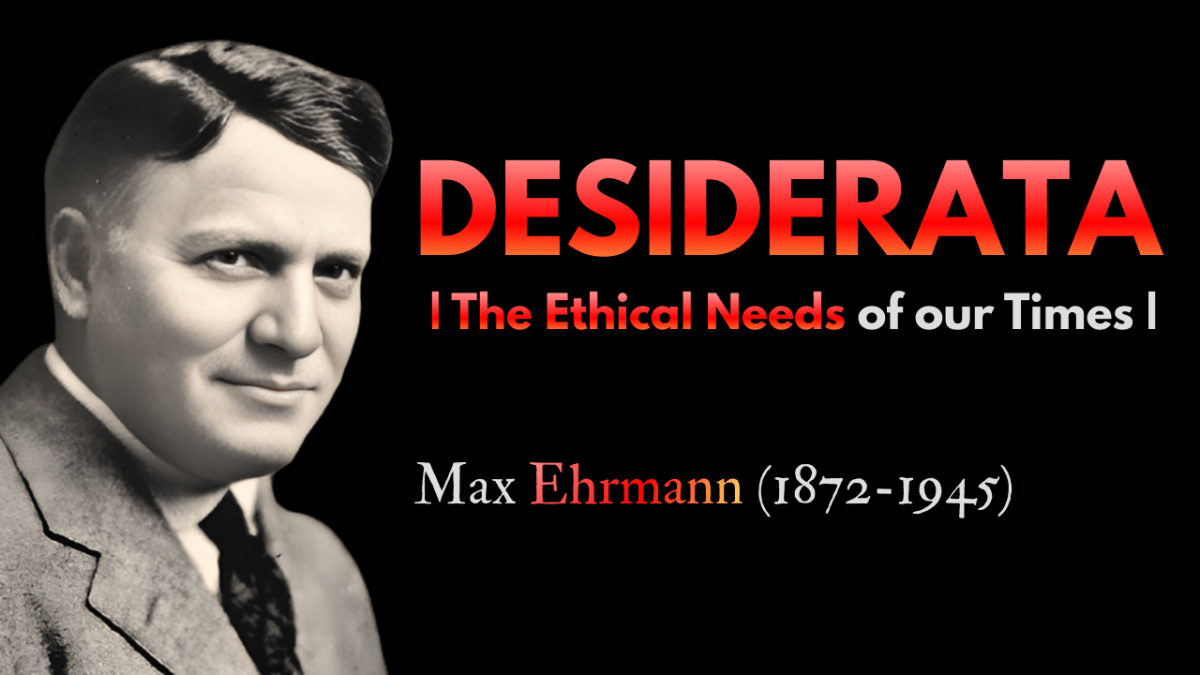
“Desiderata” | A Poem by Max Ehrmann | Read by Arup K. Chatterjee
Max Ehrmann’s “Desiderata,” written in 1927, offers timeless guidance for achieving clarity and inner peace amidst life’s challenges. It emphasizes mindfulness, compassion, and embracing imperfection, advocating for a simple, grounded approach to life. The poem encourages readers to pursue their ambitions with humility while maintaining inner serenity and connection to universal truths.
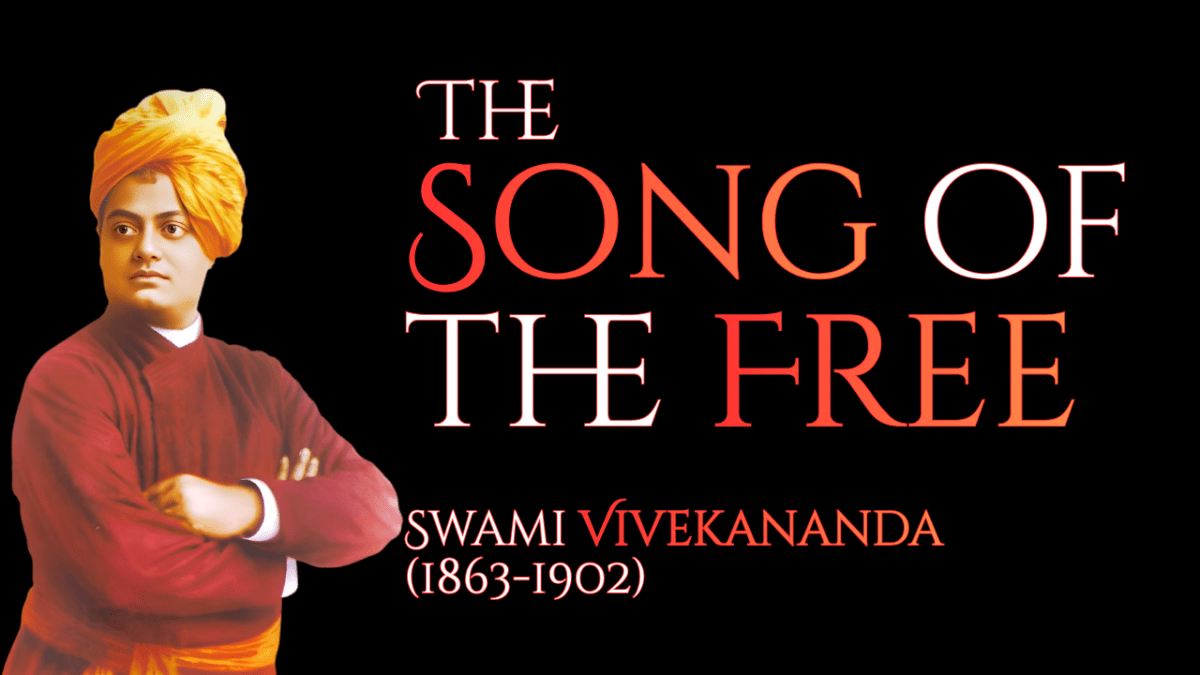
“The Song of the Free” | A Poem by Swami Vivekananda | Read by Arup K. Chatterjee
Swami Vivekananda’s “The Song of the Free” is one of his most soaring poetic affirmations of spiritual fearlessness, inner sovereignty, and the boundless nature of the Self. Composed in the cadence of a hymn yet driven by the urgency of a revolutionary manifesto, the poem declares the triumph of the soul over all limitations —…

“A Song on the End of the World” | A Poem by Czeslaw Milosz | Read by Arup K. Chatterjee
Czesław Miłosz’s poem “A Song on the End of the World,” written during World War II, contemplates catastrophe through the lens of ordinary life. It reveals how crises unfold amid daily routines, emphasizing human perception of danger and the fragility of existence. Miłosz’s work challenges readers to recognize underlying vulnerabilities while appreciating life’s quiet miracles.
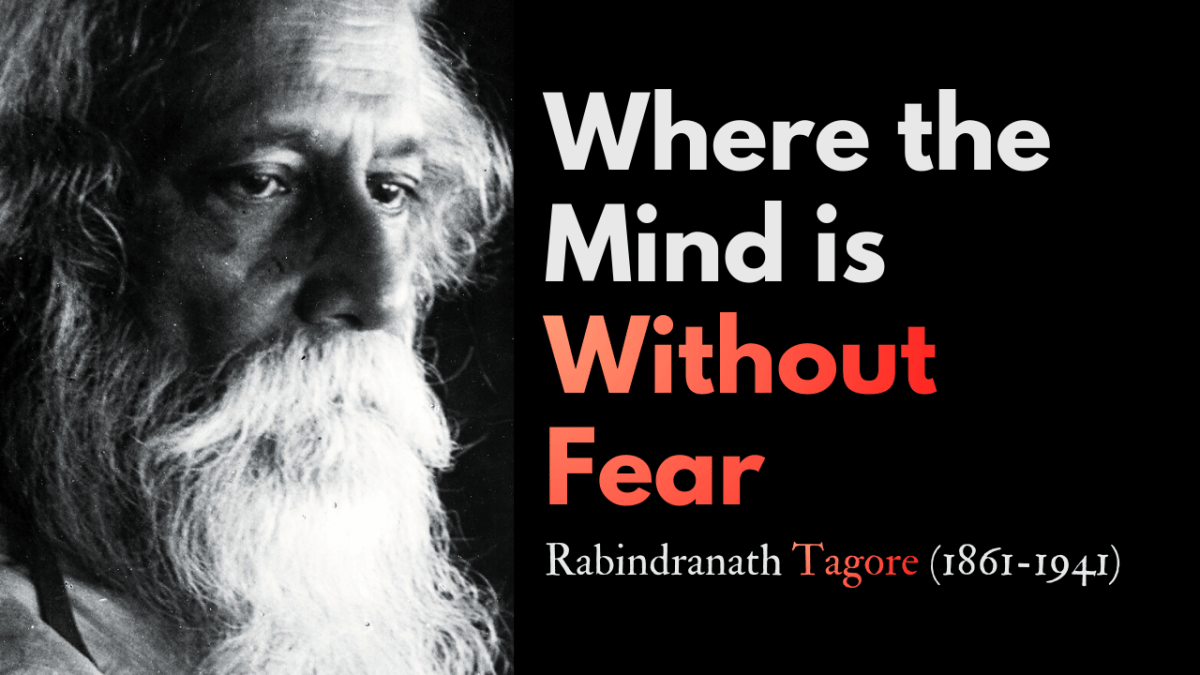
“Where the Mind Is Without Fear” | A Poem by Rabindranath Tagore | Read by Arup K. Chatterjee
Rabindranath Tagore’s poem “Where the Mind is Without Fear” from Gitanjali serves as a powerful call for ethical integrity and moral clarity. It emphasizes the importance of intellectual freedom, truth, and collective responsibility, resonating with contemporary issues like misinformation and societal polarization, urging citizens to uphold clarity and honesty in a changing world.
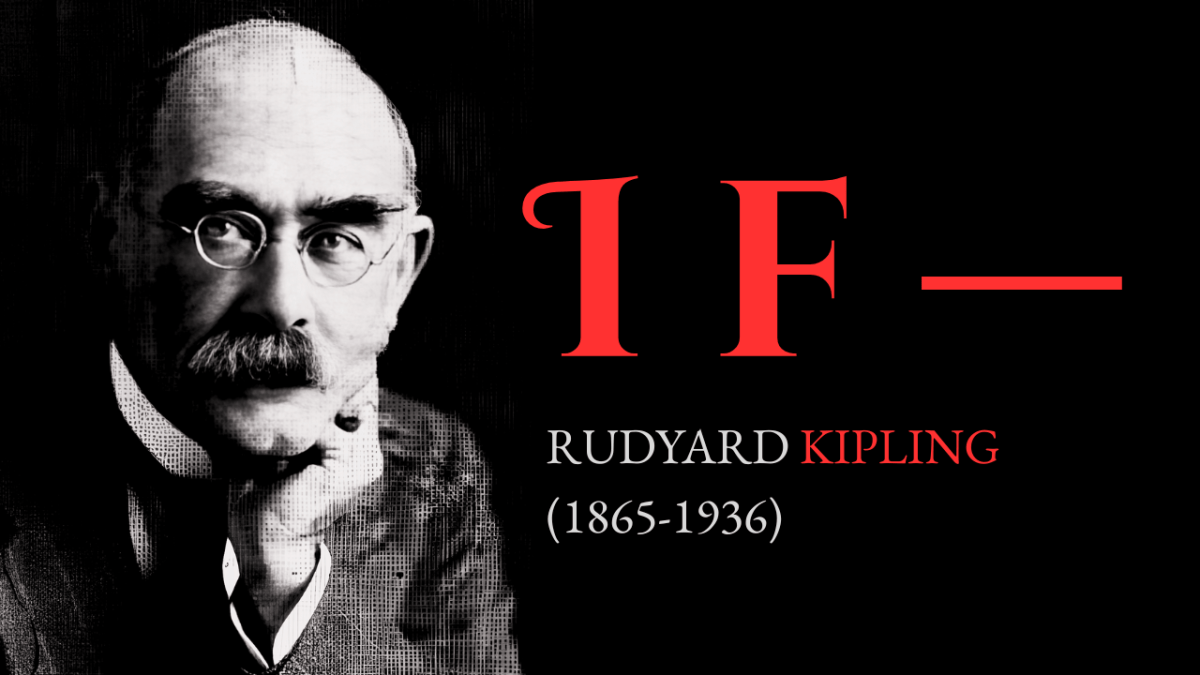
“If” | An Inspirational Poem by Rudyard Kipling | Read by Arup K. Chatterjee
Rudyard Kipling’s poem “If—” serves as a timeless guide to resilience and moral courage, emphasizing composure amidst chaos and equanimity in success and failure. Its paternal advice resonates across generations, encouraging patience, humility, and endurance. Despite Kipling’s complex legacy, “If—” focuses on universal virtues that inspire personal growth and integrity.
 Arup K. Chatterjee