

My Song Has Put Off Her Adornments | Gitanjali #7 | Rabindranath Tagore
The seventh poem of Gitanjali emphasizes simplicity and receptivity. The speaker seeks intimacy by shedding vanity, presenting a humble self that embodies a flute, ready to receive another’s breath. This act of devotion prioritizes being a conduit for music over seeking applause, celebrating the beauty of being a prepared vessel for connection.
Pluck This Little Flower and Take It | Gitanjali #6 | Rabindranath Tagore
In Rabindranath Tagore’s sixth poem from Gitanjali, the speaker urges the immediate offering of a humble flower, symbolizing the ordinary self. This reflects a deep understanding of time and readiness, emphasizing sincerity over grandeur. The poem highlights that spiritual life encourages present devotion and participation rather than delayed perfection.
I Ask For a Moment’s Indulgence, to Sit by Thy Side | Gitanjali #5 | Rabindranath Tagore
Rabindranath Tagore’s fifth poem from Gitanjali highlights the importance of spiritual presence over continuous toil. It advocates for moments of stillness beside the spiritual master, revealing that true guidance comes from inner attention rather than effort. This pause reestablishes the connection to life’s source, transforming rest into a devoted act.
Life of my Life, I Shall Ever Try to Keep My Body Pure | Gitanjali #4 | Rabindranath Tagore
Rabindranath Tagore’s fourth poem from Gitanjali emphasizes the integration of the inner self with outward actions. It advocates for purity, truth, and love as practices, making the divine presence manifest in daily life. The poem portrays spirituality as a lived discipline, urging attention to small acts that reveal the universal spirit.

I Know Not How Thou Singest, My Master | Gitanjali #3 | Rabindranath Tagore
Rabindranath Tagore’s third poem from Gitanjali explores the connection between the human and divine through music. It emphasizes surrender and nonduality, portraying the heart as a vessel for song. The poem invites readers to embrace silence and recognition, illustrating how music reinforces unity and transforms self-perception into an expansive experience.
When Thou Commandest Me to Sing | Gitanjali #2 | Rabindranath Tagore
Rabindranath Tagore’s second poem from Gitanjali emphasizes singing as an act of surrender and devotion rather than performance. It transforms pain into harmony and conveys freedom through trust in surrender. The poem highlights intimacy between the beloved and the singer, illustrating how genuine expression bridges the sacred and the human experience, transcending individual identity.
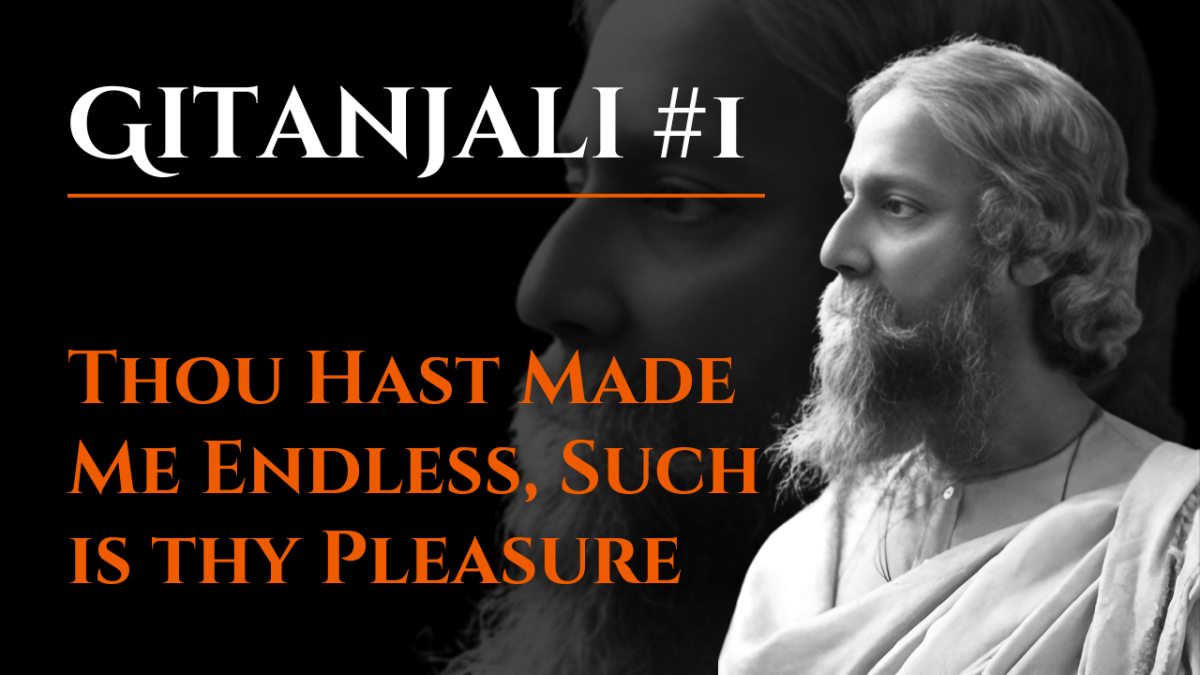
Thou Has Made me Endless | Gitanjali #1 | Rabindranath Tagore
Rabindranath Tagore’s first poem from Gitanjali explores themes of spiritual renewal through imagery of emptiness and filling. It emphasizes the importance of openness and humility, suggesting that everyday experiences can reveal a larger presence. The poem invites readers to embrace continuous giving and receiving, finding meaning in simplicity across various traditions.
 Arup K. Chatterjee