
The Calcutta Encyclopedia is a curated digital compendium dedicated to documenting the multifaceted histories, urban imaginaries, and cultural topographies of Calcutta. Drawing on archival research, geological surveys, oral histories, and literary sources, the encyclopedia presents a critical, layered narrative of the city’s evolution—from colonial urbanism to contemporary memoryscapes. It hopes to serve as an interdisciplinary platform for scholars, students, and general readers seeking a nuanced understanding of Calcutta as both a historical site and a cultural construct.
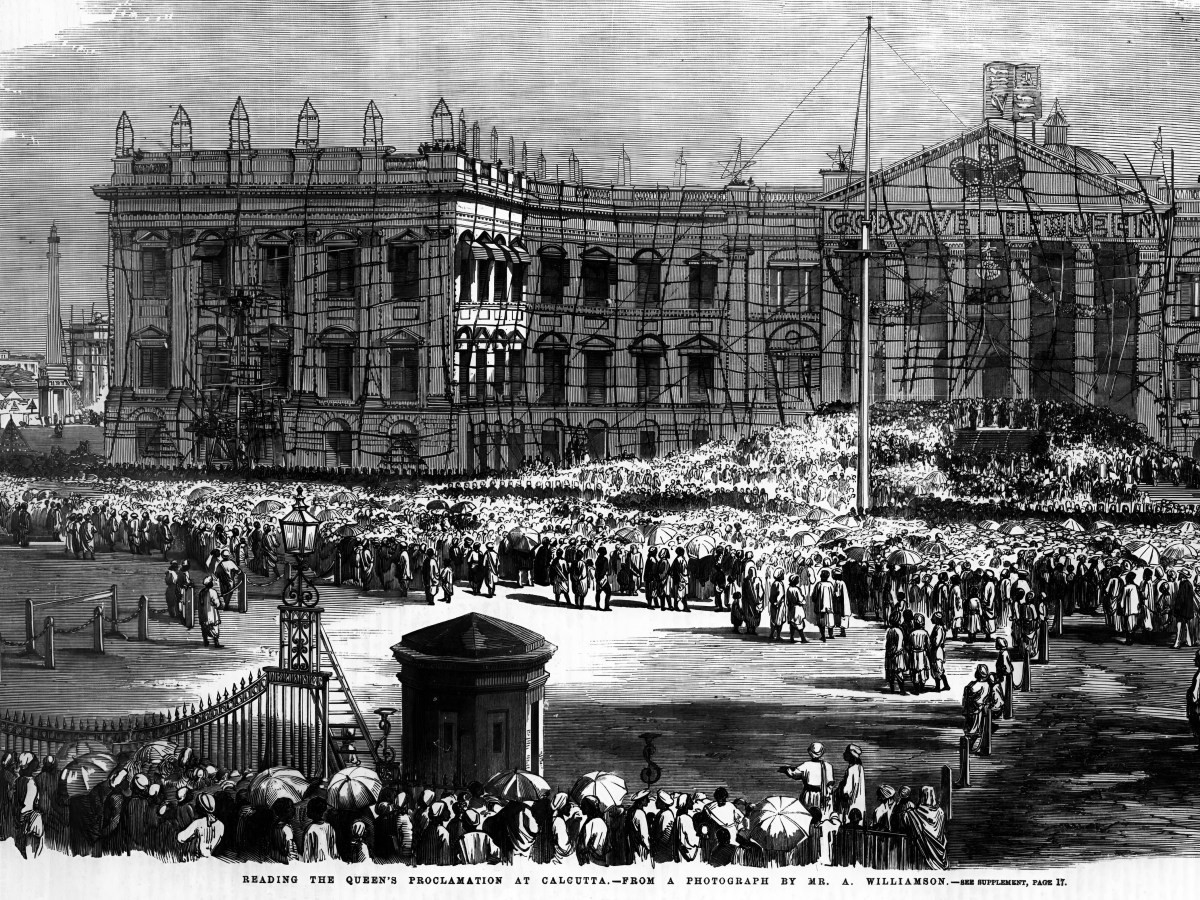
Queen Victoria’s Proclamation in Calcutta in 1858: A Look at an Engraving from The Illustrated London News
The engraving from 1859 depicts Queen Victoria’s Proclamation reading in Calcutta’s Town Hall, marking the British Crown’s authority transfer from the East India Company post-1857 rebellion. The ceremony showcases imperial power’s survival and continuity, emphasizing grandeur and reassurance through architecture and the disciplined crowd, signaling a restored yet complex governance in India.

Murder on the Roof in Calcutta, 1790
In 1790, an Indian petitioner, a young Sikh, climbed the steps of the house of Peter Speke (a member of the Supreme Council of Calcutta) in the compound that later became part of the Museum grounds. The Indian came with a grievance and a request for redress. Speke, a senior official whose term as a…
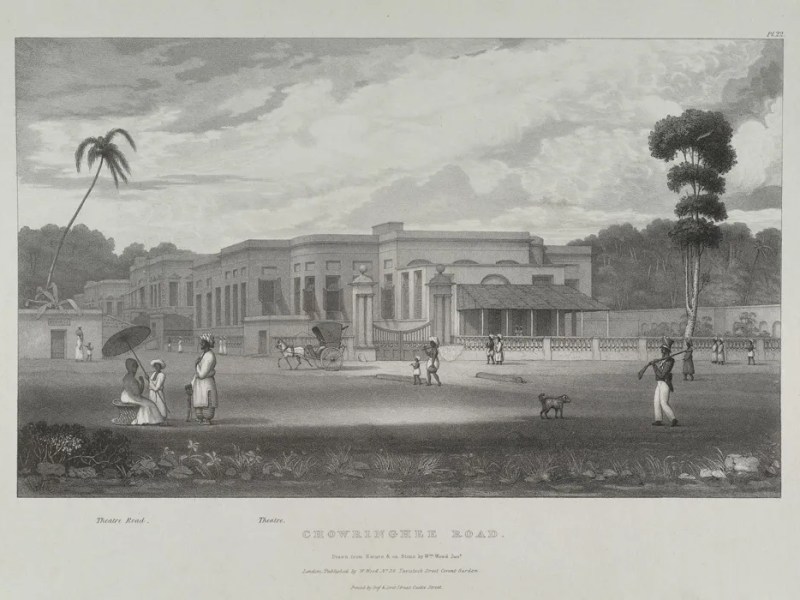
The Night Chowringhee Burned: The 1839 Fire That Ended Calcutta’s Grandest Theatre
On May 31, 1839, the Chowringhee Theatre in Calcutta ignited, symbolizing not just a loss of architecture but uncovering themes of leisure, risk, and gender in early colonial life. The fire impacted local livelihoods reliant on the theatre, notably affecting performers like Mrs. Leach, illustrating the precarious nature of theatrical work amidst inadequate safety measures.

Battala: Where Press and Bazaar Braided Together
In early 1800s Calcutta, Battala emerged as a vibrant printing hub under a banyan tree, where cheap prints fueled public literacy and cultural exchange. Missionary presses and local entrepreneurs transformed the production of texts, creating a diverse market reflecting societal tastes and tensions, ultimately reshaping readers’ engagement with literature and discourse in modern India.
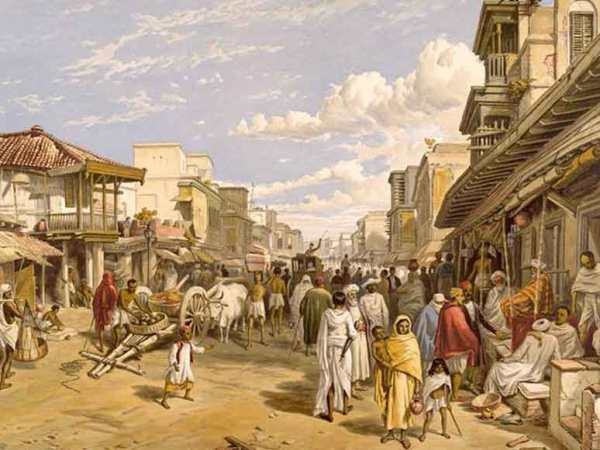
Calcutta and Murshidabad: Rivalry, Complementarity, and the Limits of Growth
The eighteenth-century urban geography of Bengal highlights Calcutta and Murshidabad’s interdependent roles within a politically structured economy. Calcutta’s rise was influenced by the decline of Mughal authority and colonial interventions, contrasting with Murshidabad’s established institutional depth. This relationship evolved through contested significance, ultimately shaping Calcutta’s uneven urban growth and enduring social inequalities.
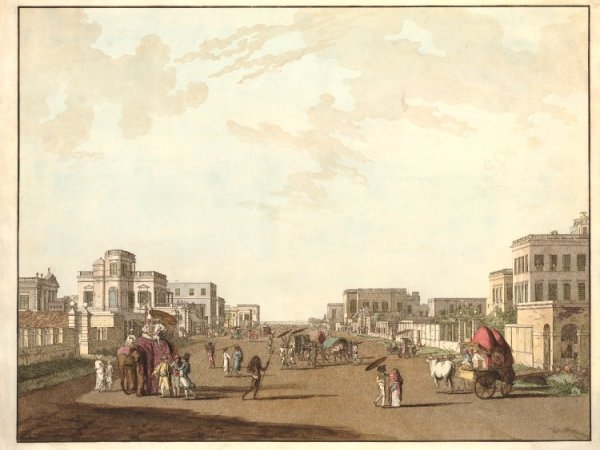
Calcutta 1756: The Making of a Colonial Capital
The sack of Calcutta in 1756 and its aftermath marked a decisive hinge in the city’s trajectory — not merely a dramatic military episode but the catalytic moment that turned a cluster of villages on the Hooghly into the political theatre of eastern India. Before 1756 the English settlement was essentially peripheral: an entrepôt operating…
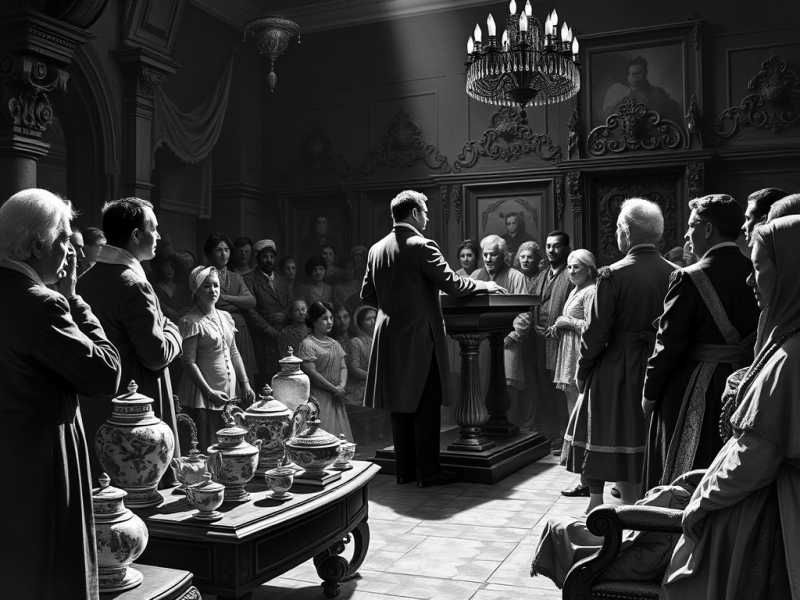
Auctioneers in 18th-century White Town of Calcutta
In late eighteenth-century Calcutta, the auctions in White Town served as vital social and cultural events for British expatriates, offering European goods and establishing a semblance of home. These gatherings fostered connections and trends while blurring material distinctions with local populations, highlighting both the comforts and vulnerabilities of colonial identity amid changing fortunes.
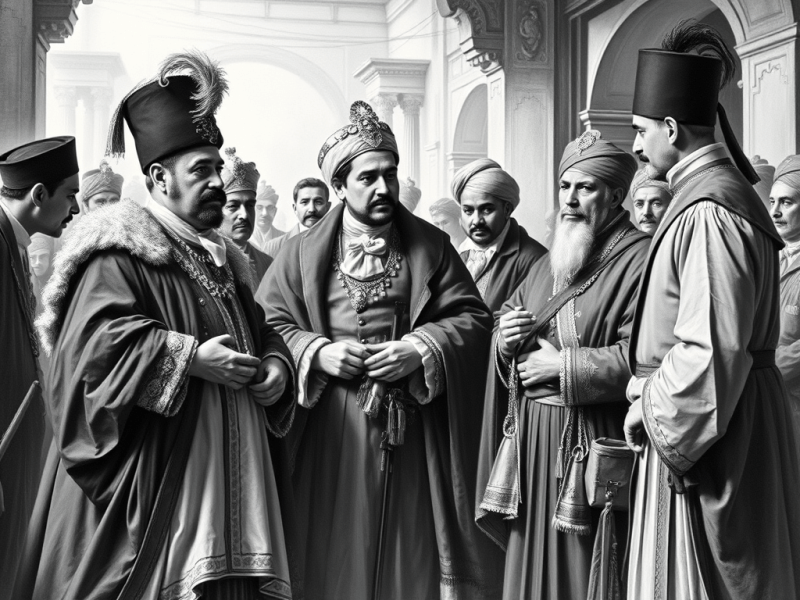
Armenian Merchants, Calcutta, and London’s Court of Directors
In early 1703, the Court of Directors in London disputed two significant bills of exchange from Calcutta due to lack of proof on the shipment of goods. Despite questioning the legitimacy of the claims, they remained open to payment contingent on documentation, highlighting the complexities of early Company finance and the crucial role of Armenian…
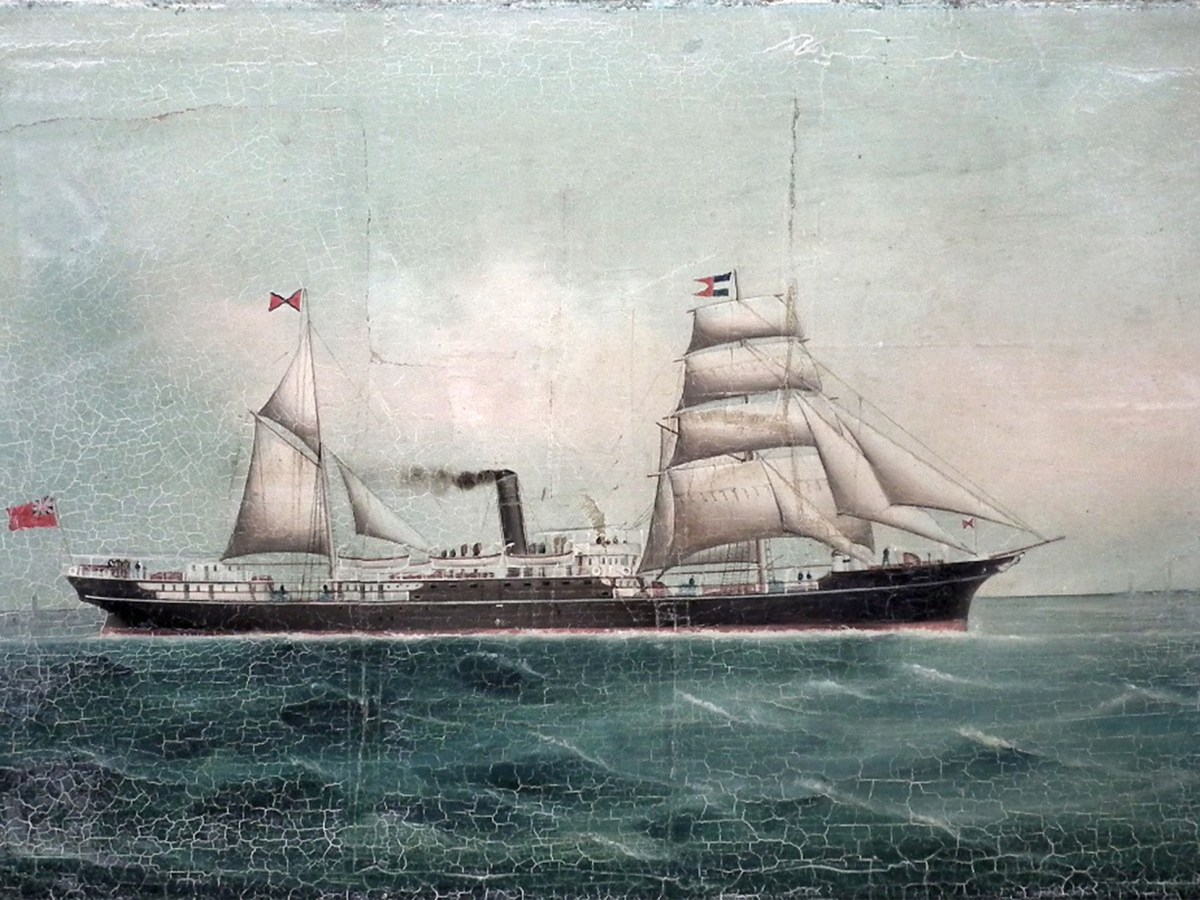
Calcutta, Banaras, and the Armenians’ Price-Hunting Mission
In October 1698, the Court of Directors in London instructed their agents in Bengal to exploit price disparities in Banaras to combat local monopolists. They proposed sending an Armenian merchant with funds to purchase textiles for profit in Calcutta, showcasing how Armenians were vital to early colonial trade dynamics amidst local pricing challenges.
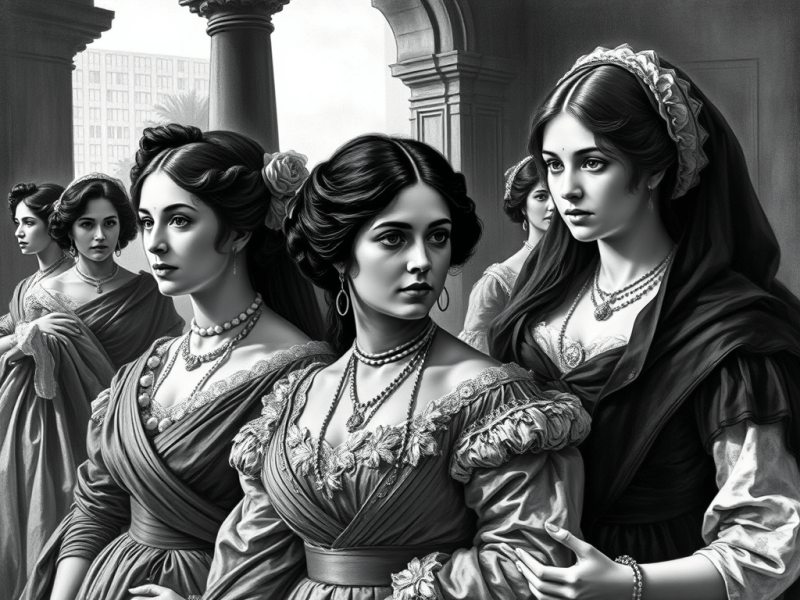
European Women in White Calcutta
European women in colonial Calcutta occupied a paradoxical position. They were the bearers of “civilized” domestic norms, yet their very presence—and the rituals around it—often highlighted the fragility of British claims to social order in India. “Sitting-Up” and the Fishing Fleet Throughout the eighteenth century, single European women were scarce in Bengal. When they did…

The 1842 Map of Calcutta by the Society for the Diffusion of Useful Knowledge
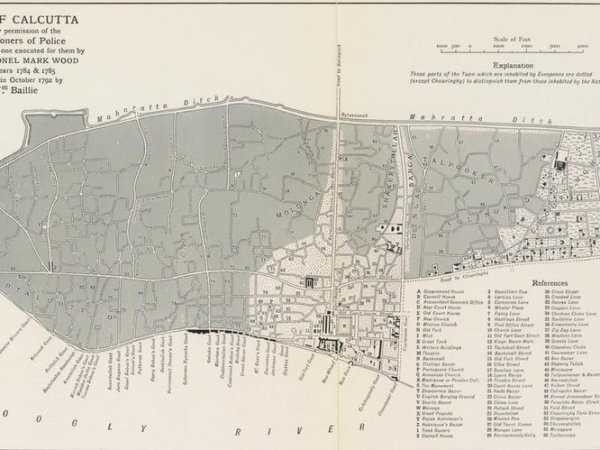
The 1842 SDUK map of Calcutta illustrates colonial power dynamics, showcasing a clear division between “White Town” and “Black Town.” It emphasizes British architectural dominance and neglects indigenous spaces and structures. This map serves as both a practical tool for administration and a pedagogical instrument, reinforcing racial segregation and reflecting the colonial worldview.
Philanthropy and the Making of 18th-Century Calcutta’s Public Life
In colonial Calcutta, civic development arose from voluntary efforts rather than state initiative. With the East India Company focused on revenue and administration, a vibrant civic sphere formed through associations and charities, ultimately benefiting both Europeans and Indians. This led to the establishment of educational and charitable institutions, fostering a dynamic community.
Subaltern Europeans in Colonial Calcutta
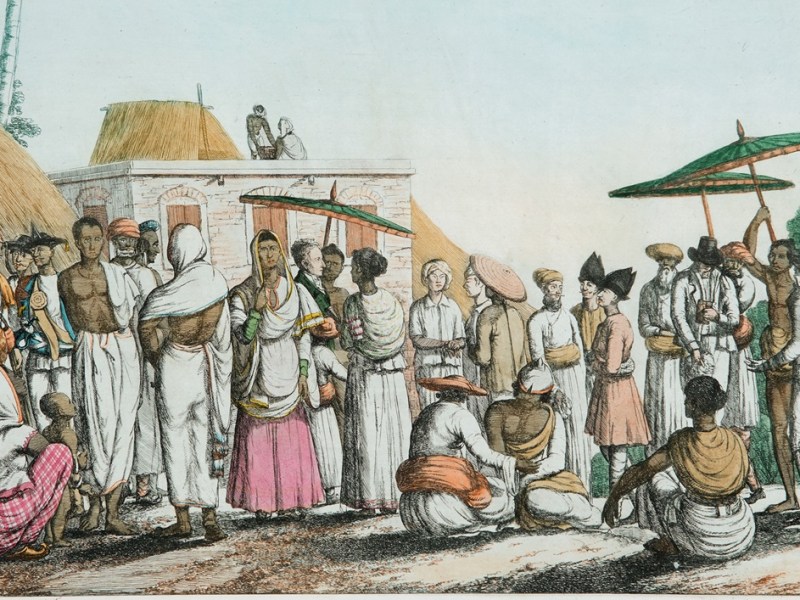
The white population of Calcutta during East India Company rule was diverse, comprising not only the elite but also a substantial working-class of Europeans. This subaltern group, including transient laborers, challenged colonial ideals and exacerbated class anxieties. Their existence highlighted contradictions in colonial racial hierarchies and impacted the social fabric of the city.
The Unintended Gentrification of Calcutta’s Indian Elite
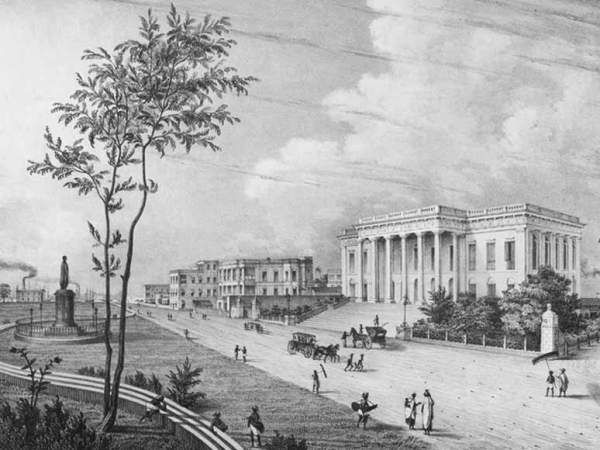
Between the late 18th and mid-19th centuries, White Calcutta emerged as a unique urban space for the British community, fostering cultural insularity. Despite its small size, this elite group developed diverse cultural institutions, impacting Indian elites indirectly and contributing to the emergence of a new cultural identity alongside significant socio-political developments in Bengal.
Social Exclusivity in Early Colonial Calcutta
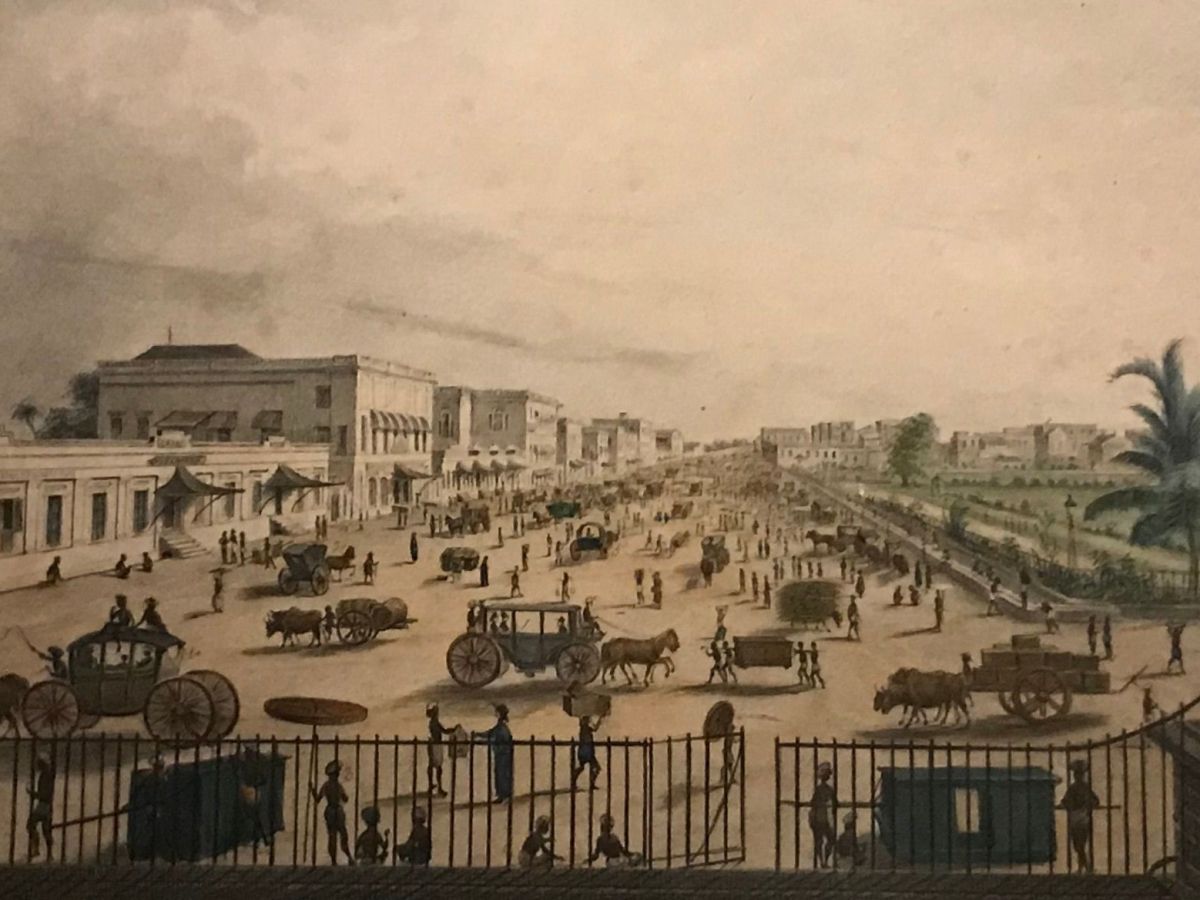
Under East India Company rule, Calcutta’s layout was irregular, lacking cohesive planning. Expansion stemmed from private enterprise, with minimal public investment. Although architecturally European, the town faced inadequate municipal services and high mortality rates. Social segregation faltered, leading to a blended community, revealing a paradox of wealth amidst disorder and neglect.

Gobindram Metre, the ‘Black Zemindar’ of Calcutta
Gobindram Metre, known as the “Black Zemindar,” served as deputy zemindar from 1720 to 1766, wielding immense power in taxation and justice. His tenure was marked by tyranny and wealth accumulation, symbolized by a grand temple he built. His story reflects Calcutta’s transformation influenced by local authority and environmental challenges.
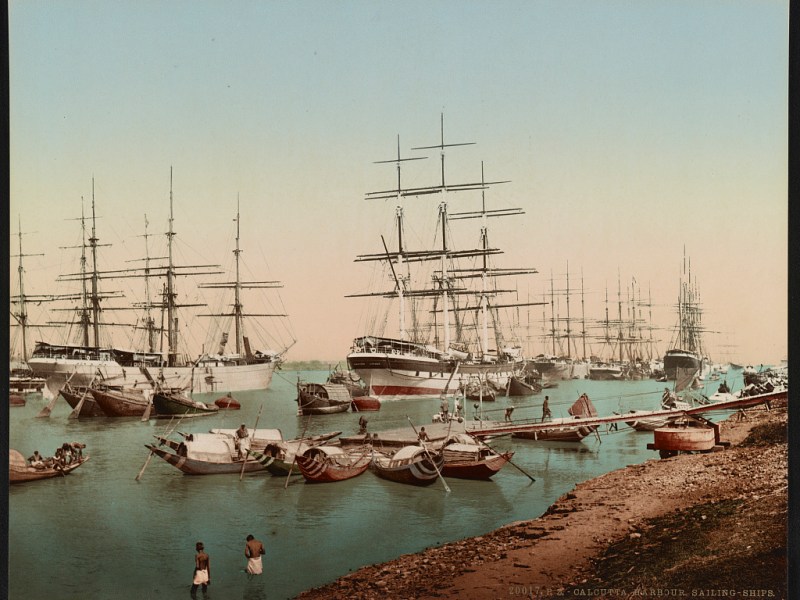
Quicksand on the Hooghly: The 1694 Wreck of the Royal James and Mary
In autumn 1694, the merchant ship Royal James and Mary ran aground on the Madras Shoal near Sutanuti, leading to disaster. Many lives and cargo were lost, highlighting the need for improved navigation knowledge. This prompted Charles Eyre to organize efforts for safer navigation, ultimately aiding Calcutta’s development as a secure port.
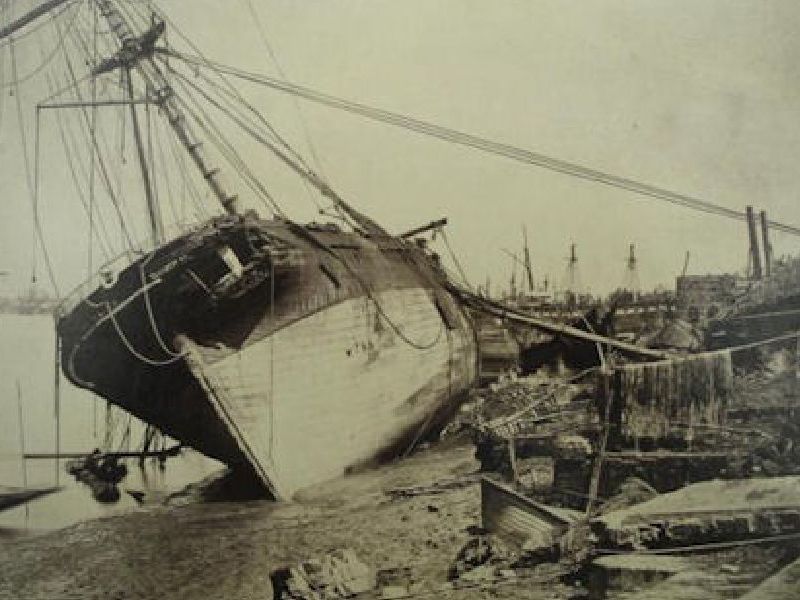
Calcutta’s Hurricane of October 1737
On October 11-12, 1737, Calcutta faced a catastrophic storm that caused significant destruction, with two hundred houses collapsing and a local church steeple reportedly either sinking or falling. The dual narratives illustrate the impact of memory and communication on historical records, highlighting Calcutta’s vulnerability to natural disasters and the shaping of its colonial identity.
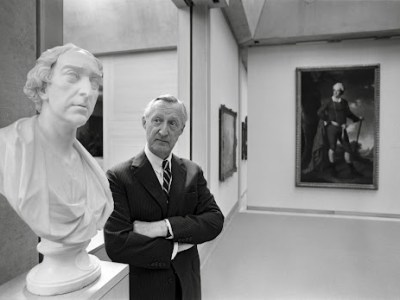
John Zephaniah Holwell’s Account of Sati
Jessica E. M. Patterson’s article “An Eighteenth‑Century Account of Sati: John Zephaniah Holwell’s ‘The Religious Tenets of the Gentoos’ and ‘Voluntary Sacrifice’ (1767)” offers a reappraisal of Holwell’s motives and an implicit spatial portrait of mid‑eighteenth‑century Calcutta. In Patterson’s close reading, Calcutta emerges as a layered administrative and ceremonial landscape, in which the ritual of sati…

Charnockite: The Rock Named After Calcutta’s Supposed ‘Founder’
Charnockite is a coarse‑grained, orthopyroxene‑bearing granite first identified in southern India and subsequently recognized across all continents. Its eponymous origin dates to an 1893 study by Sir Thomas Henry Holland, who analyzed the tombstone of Job Charnock—the disputed “founder” of Calcutta—in St. John’s Churchyard, Kolkata, and determined the dark‑gray to bluish rock represented a distinct petrological variety.…
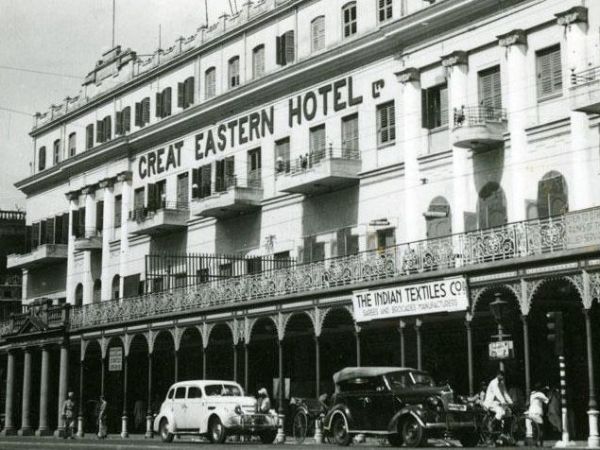
When the Great Eastern Hotel was the “Savoy of the East”
The Great Eastern Hotel in Calcutta, established in 1840, is Asia’s longest-operating hotel, known for its historical significance and architecture. Originally catering to British elites, it later represented post-colonial transitions. After a restoration in 2005, it now serves as both a luxury hotel and a cultural archive reflecting Calcutta’s complex past.

The Tale of the Infamous Dum Dum Bullet
In the mid‑1890s, the British Indian Army found its new .303‑calibre Lee–Metford rifle rounds lacking the knock‑down power of earlier, large‑bore soft‑lead cartridges. During the 1895 Chitral campaign, reports abounded of Afridi tribesmen remaining active after suffering multiple .303 hits—one man was said to have walked 14 km to aid stations after six wounds—prompting calls for…
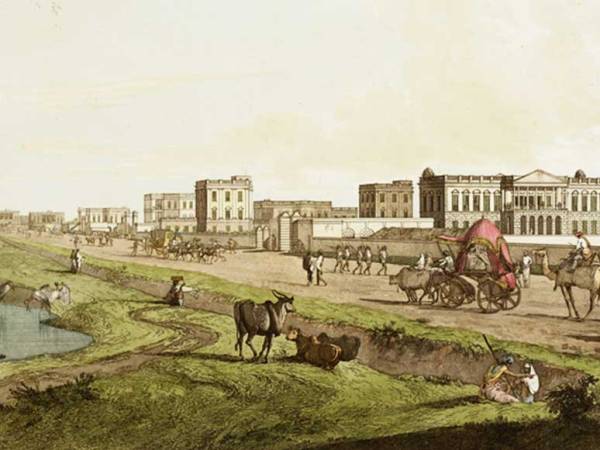
Alexander Hamilton’s Calcutta as a Literary Construct
The British sailor, Captain Alexander Hamilton’s New Account of the East Indies (1727) is believed to be one of the earliest and most sustained narrative engagements with Calcutta. In his capacity as the first “interloper” or free merchant resident there, he shaped a literary and cultural image of the young settlement that would resonate into…
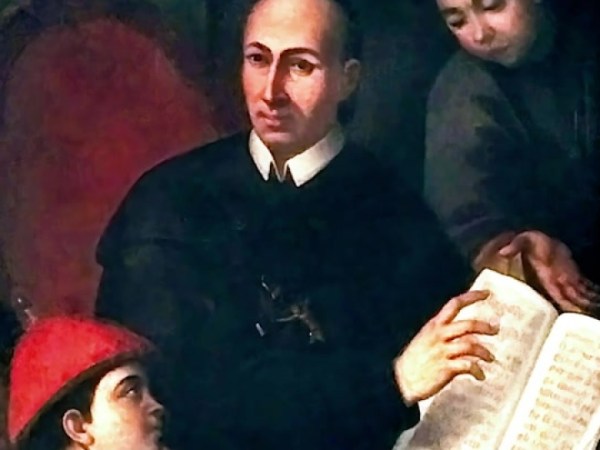
When Calcutta Was Called Golicatan
Matteo Ripa’s 1707 journey to China led him to early Calcutta, which he depicted as a primitive settlement with modest architecture amidst rich vegetation. His account highlights the city’s role in colonial commerce and religious diversity, while also revealing his biases and inaccuracies. Ripa’s narrative is crucial for understanding Calcutta’s early urban landscape and cultural…
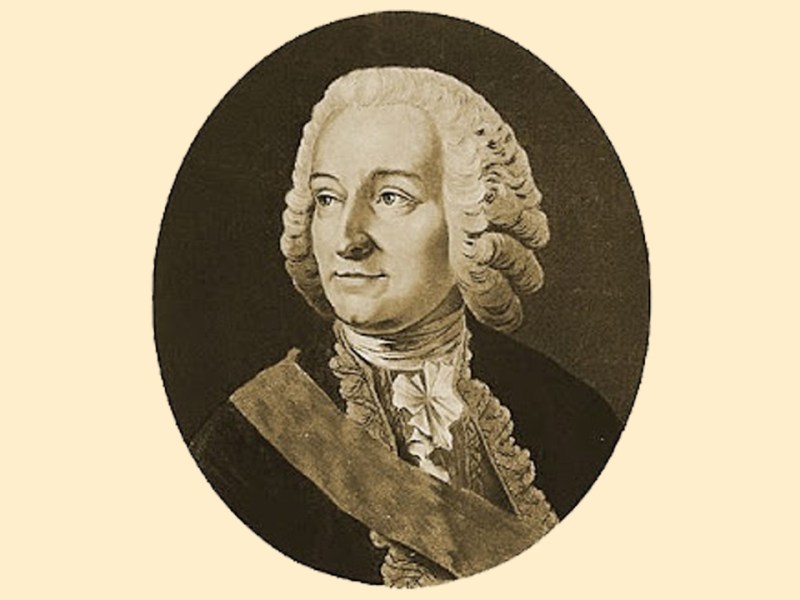
Job Charnock, Before the Making of Calcutta
Job Charnock’s early life in India challenges the narrative of him as the sole founder of Calcutta. Arriving in 1656, he navigated the complexities of Company politics and cultural adaptation, immersing himself in local customs. His journey reflects a unique Anglo-Mughal hybridity and emphasizes an intricate blend of trade and diplomacy prior to colonial entrenchment.
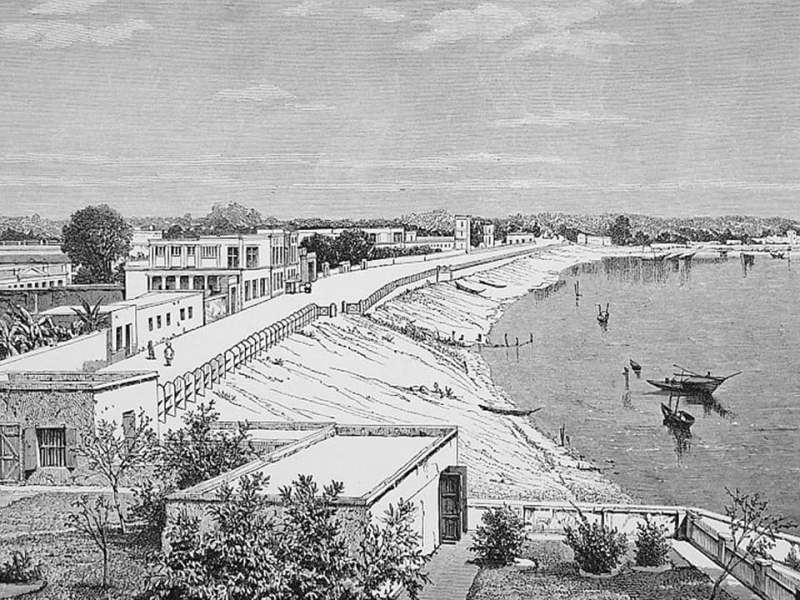
American Traders in 18th Century Calcutta
By the 1780s, Calcutta emerged as a global trade hub, attracting American merchants. The arrival of U.S. vessels marked a shift as Americans employed local banyas like Ramdulal De, who became pivotal in the trade, amassing wealth and connections. This era highlighted transoceanic commerce and cultural exchanges.
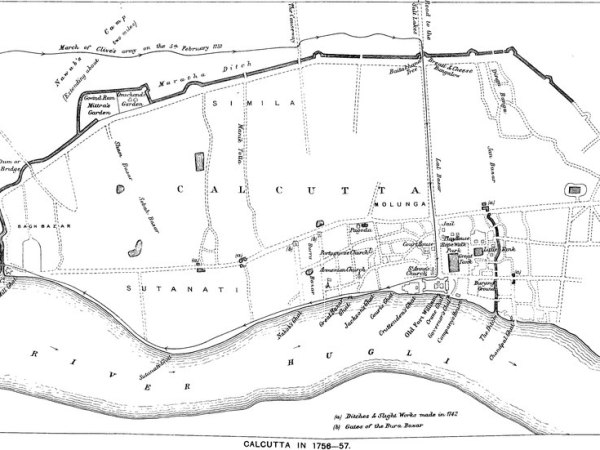
The Legend of the Maratha Ditch
In the mid-18th century, fearing Maratha raids, residents of Calcutta constructed the “Maratha Ditch,” a protective trench. Despite completing about three miles, construction halted when no invasion occurred. The ditch, funded by local taxes, highlights early Calcutta’s blend of native initiative and European apprehension, with only a lane today recalling its legacy.

Tigers Around Early Calcutta
Travel narratives from early Bengal emphasize its untamed nature, particularly through Captain Alexander Hamilton’s accounts in 1700. His observations reveal Bengal’s dangers, including tiger-infested waterways that thwarted habitation. Notably, Hindu ascetics faced peril during pilgrimage rituals, illustrating how the region’s wildness significantly impacted human activities in the emerging port city of Calcutta.
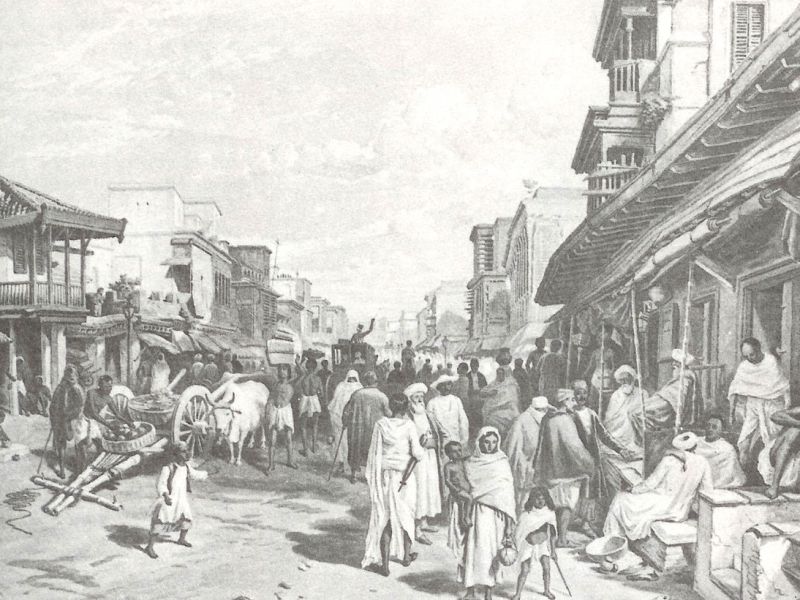
How Fires Plagued Housing in the Early Years of Calcutta (1694–1695)
Calcutta’s early settlement at Sutanuti faced significant dangers, particularly from fires. After the English East India Company acquired the area in 1698, incidents like the burning of Agent Charnock’s house and a devastating bazaar fire in 1695 highlighted the vulnerability of wooden structures and open flames, prompting the company to reassess its infrastructure.

The History of Calcutta’s Nomenclature
Govindapur, established by affluent merchants around 1580 CE, marks the beginnings of modern Calcutta. Nearby Sutanuti became a textile trading hub. The name “kol‑kata,” meaning “cut open shore,” evolved into “Calcutta,” with various etymologies debunked. By 2001, the city was officially renamed Kolkata, reflecting its Bengali origins and identity.
Something went wrong. Please refresh the page and/or try again.
 Arup K. Chatterjee