
The Spirit of the Constitution offers is a forum for exploring the philosophical underpinnings, interpretive frameworks, and living principles of India’s Constitution. Through scholarly essays, critical commentaries, and curated debates, this segment examines the Constitution not merely as a legal text but as a dynamic covenant imbued with moral purpose and collective aspiration. Topics range from the concept of constitutional spirituality—the intangible ethos that animates fundamental rights and directive principles—to analyses of landmark debates in the Constituent Assembly, judicial hermeneutics, and contemporary challenges to constitutional governance.

Article 311, Public Servants, and the Conscience of the Indian Constitution
Article 311 ensures that civil service members are protected from arbitrary dismissal, requiring fair inquiry before action. However, exceptions exist for public interest or state security. Recent high-profile dismissals invoke this clause, sparking debate on executive overreach versus necessary action. Courts emphasize the need for documented justification, upholding constitutional principles.
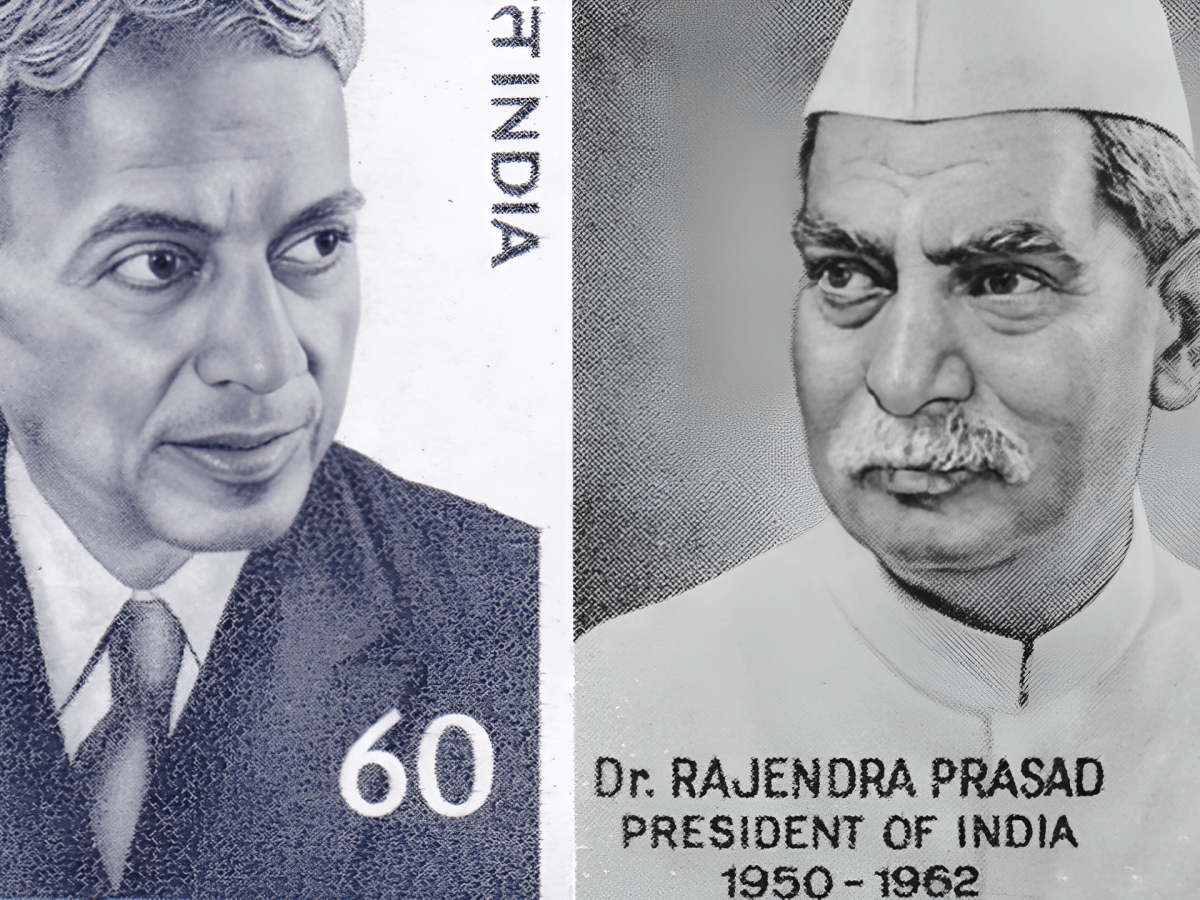
Rajendra Prasad, B.N. Rau, and the Key Omission that Shaped the Spirit of India’s Constitution
In the aftermath of India’s Partition, a debate emerged over the absence of “panchayat” in the Constitution Draft. President Prasad advocated for village-level governance, while constitutional adviser Rau prioritized centralized parliamentary structure. This exchange highlighted the tension between grassroots democracy and national coherence, shaping the Constitution’s commitment to decentralization amid practical governance needs.
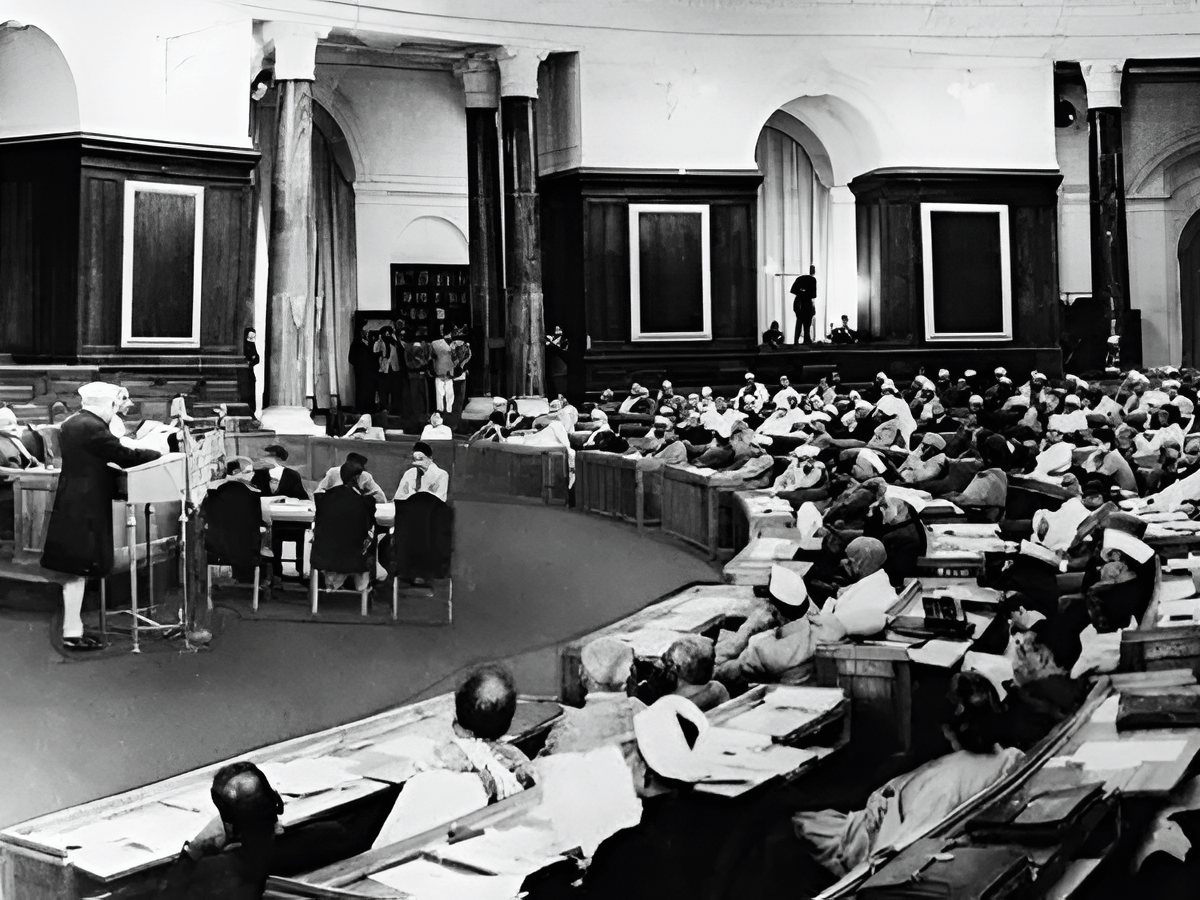
The Spirit of the Constitution is Metaphysical and Ethical
Granville Austin emphasizes that the Indian Constitution embodies a metaphysical spirit and a working ethic, acting as a social covenant for transformation. The Constituent Assembly created it amid urgent post-war challenges, blending rights with Directive Principles to balance liberty and obligation. This instrument aims for social justice through structured reform rather than abrupt changes.
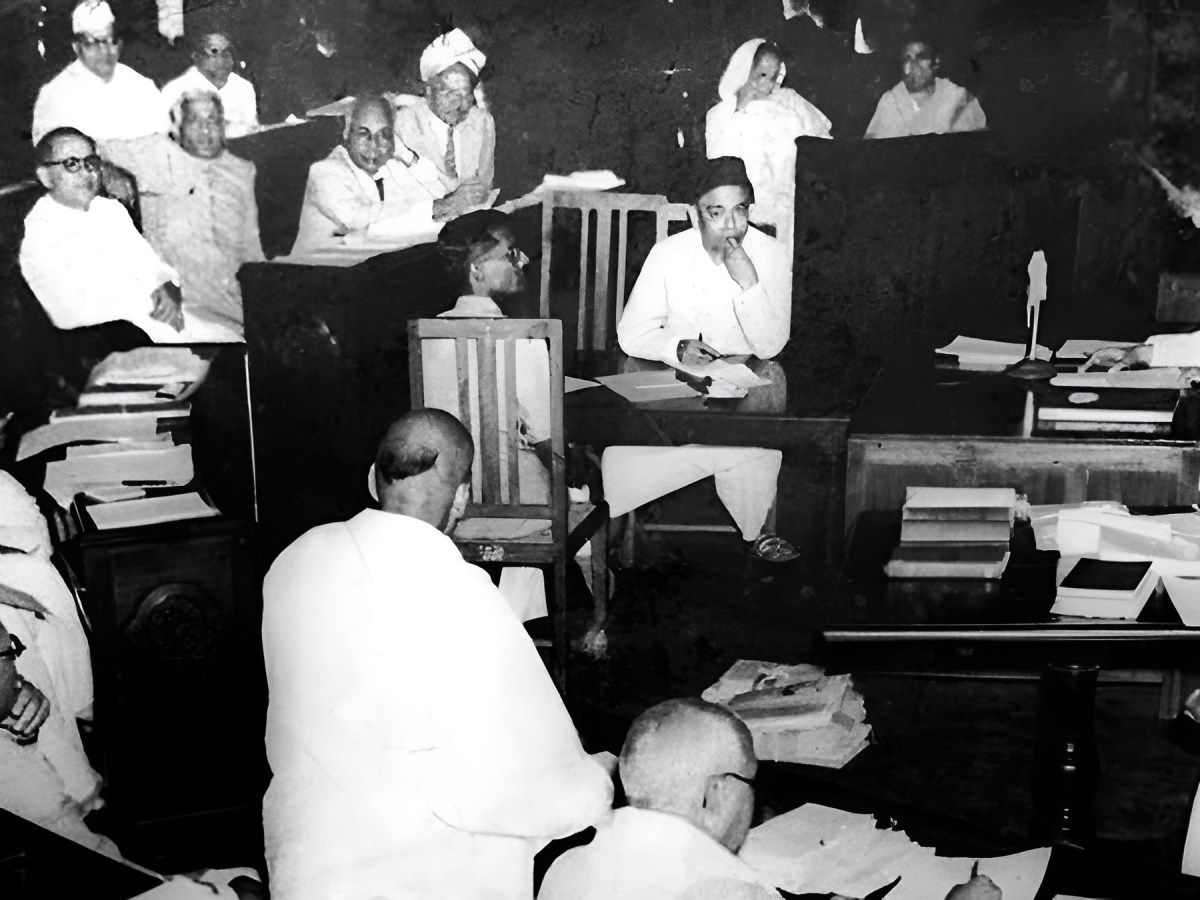
The Social Allegory and Spirit of the Indian Constitution According to Granville Austin
On December 9, 1946, a body of highly determined Indian political representatives gathered in New Delhi that would, in the space of three years, attempt nothing less than to translate the aspirations of a mass movement into the devices of statecraft. What the historian, Granville Austin saw in the Constituent Assembly was not merely a…
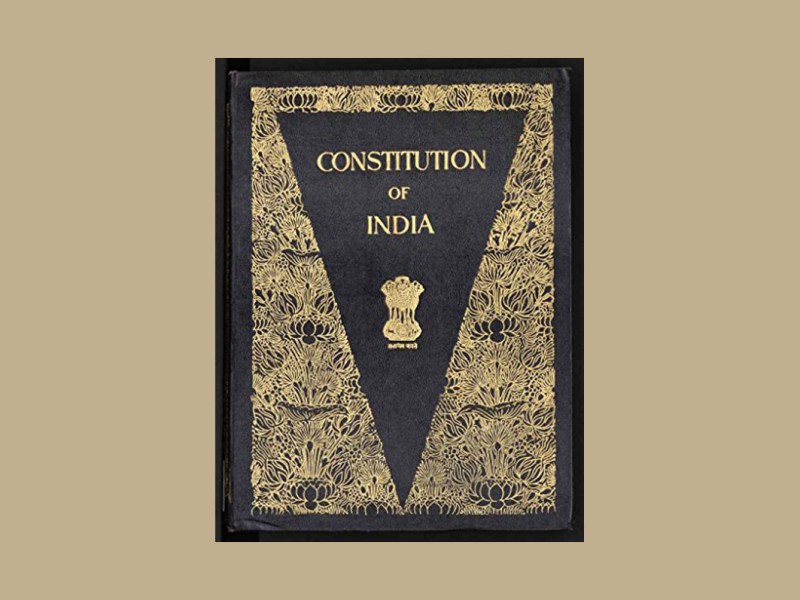
Transforming the Constitution for a ‘Spiritual’ Hermeneutics
Gautam Bhatia’s “The Transformative Constitution” proposes that India’s Constitution possesses a spiritual dimension that transcends its literal text, embodying a transformative ethos. It emphasizes the interplay of rights and social justice, advocating for a transformative constitutionalism that balances legal text with deeper moral visions, especially in the face of modern technological challenges.
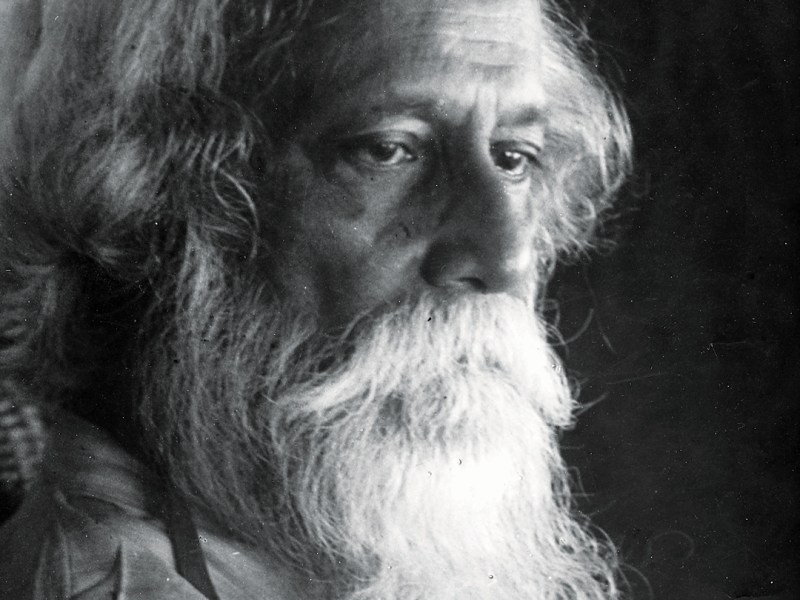
“Constitutional Spirituality” in the Light of Tagore’s “Crisis in Civilization”
The concept of constitutional spirituality, influenced by Rabindranath Tagore’s reflections, emphasizes the moral and cultural essence underlying constitutional frameworks. It challenges superficial legal formalism and advocates for a dynamic, ethical governance rooted in local traditions while aspiring to universal ideals of justice. This vision inspires transformative governance for a compassionate society.

Constitutional Spirituality and the Executive’s Mercy Powers
The concept of constitutional spirituality integrates legal rules with a moral ethos, as explored in Adam Perry’s article on India’s executive pardon powers. It emphasizes the balance between mercy and the rule of law, highlighting the significance of both positive and negative mercy while cautioning against judicial overreach that could diminish mercy’s essential spiritual dimension.
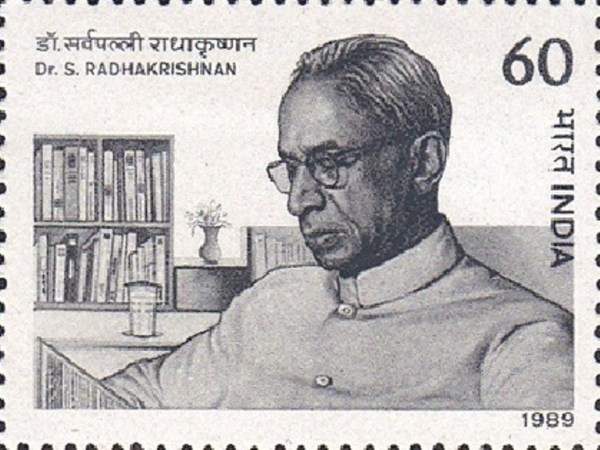
Constitutional Spirituality in Sir S. Radhakrishnan’s Inaugural Constituent Assembly Speech
In his inaugural address, Sir Sarvepalli Radhakrishnan emphasized the moral and spiritual foundations of India’s constitution, viewing it as a living embodiment of collective dreams and ethical commitments. He championed unity in diversity, nonviolence, and the importance of atonement, arguing for a constitution that transcends mere legality, reflecting deeper values and aspirations of the people.

What is “The Conscience of the Constitution”?
Granville Austin describes Parts III and IV of the Indian Constitution as its moral essence, representing the balance between individual liberties and collective welfare. These sections, rooted in historical social justice movements, incorporate enforceable rights and non-justiciable Directive Principles, guiding governance while reflecting India’s commitment to liberty, equality, and social welfare over decades.

The Spirit of the Indian Constitution: A Reflection from Granville Austin’s Work
Granville Austin’s analysis of the Indian Constitution portrays it as a moral and social charter aimed at transformative social revolution, emphasizing justice and equality. The framers envisioned it as a guiding force for democracy and national unity. Austin argues its enduring spirit influences India’s constitutional development, promoting social justice and ethical governance.
 Arup K. Chatterjee