

Ghazal | Koi Gham Ki Surat Kya Jaane | कोई ग़म की सूरत क्या जाने
The poem explores themes of loss, identity, and conflict, reflecting on personal and global struggles. It captures the essence of nostalgia and the complexity of human emotions. The juxtaposition of beauty and despair reveals a profound yearning for understanding amidst societal masks, blending past memories with contemporary issues.

Ghazal for Things Withered Away
The ghazal reflects a series of observations on the decline of vitality and significance in various aspects of life, including community, spirituality, personal health, and societal judgment. Each vignette illustrates how the essence of beauty, miracles, and meaning diminishes over time, highlighting a pervasive sense of loss and disillusionment.
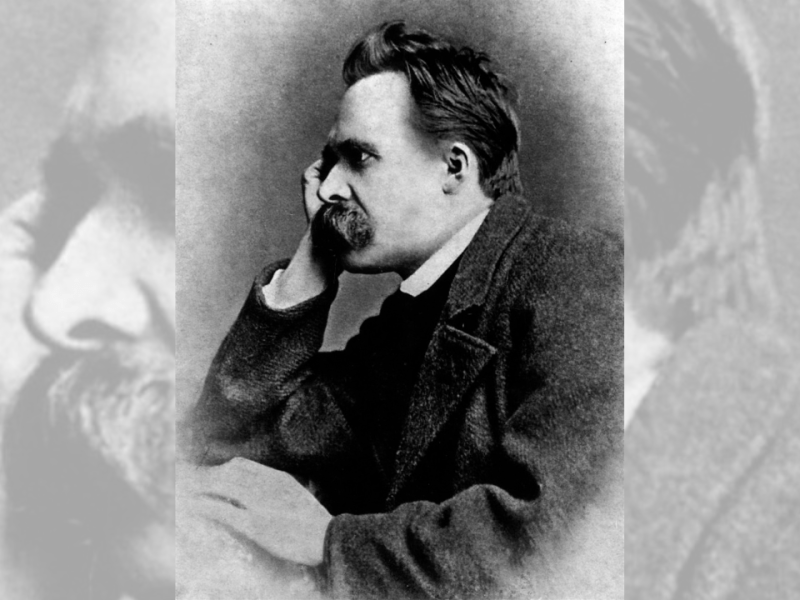
Ghazal for Nietzsche … Perhaps …
The ghazal reflects on the passage of time marked by marriage, family, and the evolution of language and culture. It explores themes of lost connection and the superficiality of love, questioning societal preferences and the value of art amidst existential despair. The narrator seeks guidance through life’s complexities.

Ghazal for the Sound of ‘Ore’
A friend, embodying a scientist, transforms into a poet, reflecting on themes of existence and the nature of reality. He contemplates quantum concepts, personal identity, and truth’s weight in a world of endless mysteries. The piece weaves together insights from mathematics and mysticism, urging thoughtful exploration of life’s profound questions.

Ghazal for the Metres
The poem explores themes of creativity and societal dynamics through clever wordplay and metaphors. It juxtaposes modern poetry with structured language, delving into national pride, communication, conflict, and personal reflections. The poet intertwines humor and insight, evoking a sense of curiosity about the world and its underlying tensions.

Ghazal for Declarations of War
The ghazal reflects on historical and philosophical themes regarding conflict and love, questioning the motivations for declaring war. It suggests that understanding, funding, and peace awards are necessary prerequisites for such drastic actions, contrasting the weighty decisions tied to love and mythology with the impulse to engage in combat.

Ghazal for Hidden Things
A contemporary English ghazal in six couplets, built around the refrain “stay hidden.” The poem moves between satire, elegy, and urban wit, with themes of commerce, mortality, plastic modernity, algorithmic distortion, and compromised wisdom. Its tone is ironic yet mournful, with a sharply civic, philosophic, and lightly comic intelligence throughout.

Ghazal for Things Withdrawn
The speaker expresses deep emotional turmoil and longing, claiming that their desires, aspirations, and perceptions have all diminished since their beloved entered their life. They can no longer divert their gaze, reveal truths, or maintain connections, highlighting a profound sense of isolation and devotion stemming from this intense relationship.

Ghazal for Things that See Through
We see the world through windows, or do they see through us? Does love cease to be love, when lovers see through us? Dying plants become the soil; soils dye into stones; When we die, do plants, and soils, and stones see through us? Flowers of spring come each year, like loans from dying Keats:…

Ghazal for Things That Stayed Alone
The poem reflects on solitude amidst human actions and emotions. It portrays how individual entities—books, shadows, idols, candles, ghazals, and even laughter—remain solitary despite the surrounding chaos and expressions of faith or sorrow. Ultimately, it underscores the enduring nature of isolation even in collective experiences.
Ghazal for What Will Be
The text reflects on existential themes, exploring concepts of time, life, death, and the nature of existence. It contemplates the significance of friendship and the challenges of war, referencing mystics and their insights. The imagery evokes a sense of inevitability about life’s cycles and the fleeting nature of hope and reality.
Ghazal for Broken Promises
The poem reflects on a landscape filled with broken promises, highlighting vivid imagery of mundane life intertwined with emotional struggles. It juxtaposes daily activities and memories with a sense of loss and disappointment. Symbols like coffee stains, crumbling cities, and fading relationships emphasize a pervasive sense of unfulfilled hopes and dreams.

Ghazal for Forgotten Things
The poem reflects on lost memories and forgotten connections amidst the weight of possessions. It explores themes of exile, forgotten love, and the fading significance of shared moments. Through rich imagery, it contemplates the ephemeral nature of relationships and the remnants of past joys overshadowed by time and distance.

Gild Them in the Pyre
The poem reflects on channeling anger into writing, transforming pain into powerful expression. It emphasizes the importance of perseverance in the face of criticism, encouraging writers to let their creativity ignite from within. Ultimately, it captures the cathartic process of using one’s voice to overcome adversity and find strength.
Ghazal for Forbesganj
The poem explores the deep connection between love and memory, capturing moments tied to nature and childhood. It reflects on the fragrance of old memories, the warmth of family, and the essence of seasons, illustrating how these elements intertwine with the beloved’s presence, evoking nostalgia and intimacy in a vivid, emotional landscape.

The Speechless Revolution
The poem “The Speechless Revolution,” a transcreation of Mohan Rana’s “Kaal Chakra,” explores themes of time, identity, and existence. The speaker reflects on their elusive self and the rapid passage of time, while contemplating the cyclical nature of life, as new souls are born unnoticed in the cosmic expanse.

Love Remains as a Draft in the Drawer
The poem “Love Remains as a Draft in the Drawer,” translated from Mohan Rana’s work, explores the complexities and risks of love, likening it to an unwritten contract filled with unfulfilled promises. Despite the deep personal investment, love remains unexpressed, highlighting the paradox of desire and absence.
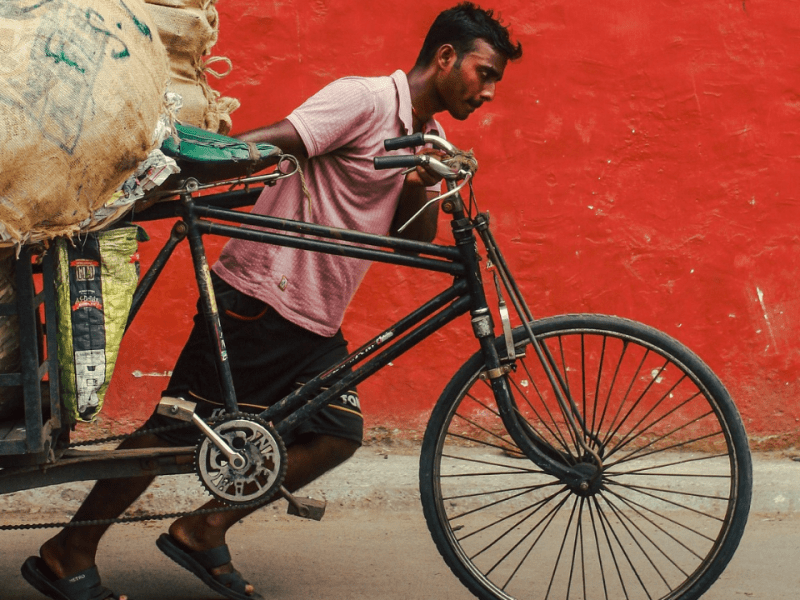
Sun in the Plasters
The poem depicts a vivid scene where a man navigates a sunlit city, symbolized by a red wall and the sound of sandals on hot tar. Elements like burlap moons and the continuous rhythm of life highlight the struggles and small joys, evoking a sense of weariness and resilience in a bustling environment.
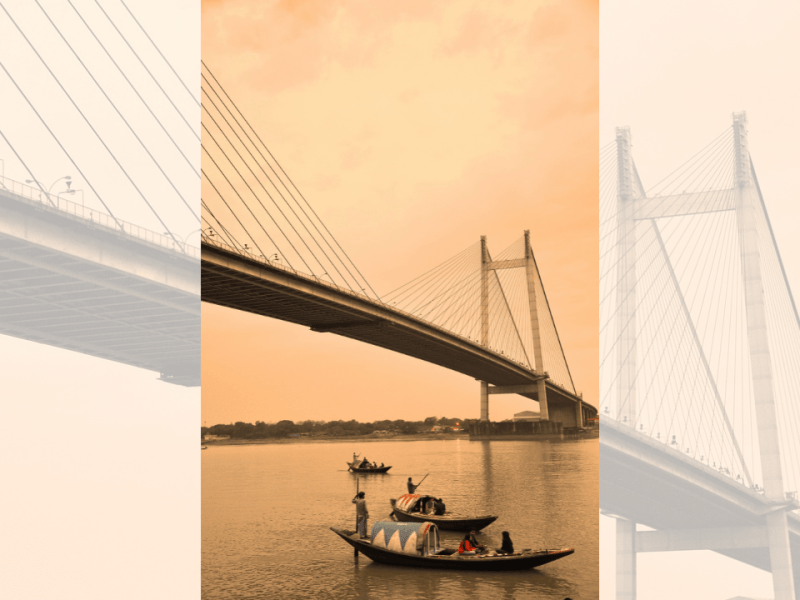
Tastes
In a small city, a couple navigates their relationship through everyday interactions that evoke tenderness and familiarity. Their shared experiences, from cooking to literary exchanges, create a unique bond. As they explore their domestic lives and each other’s quirks, they find solace and connection, ultimately forging a secret home through love and understanding.
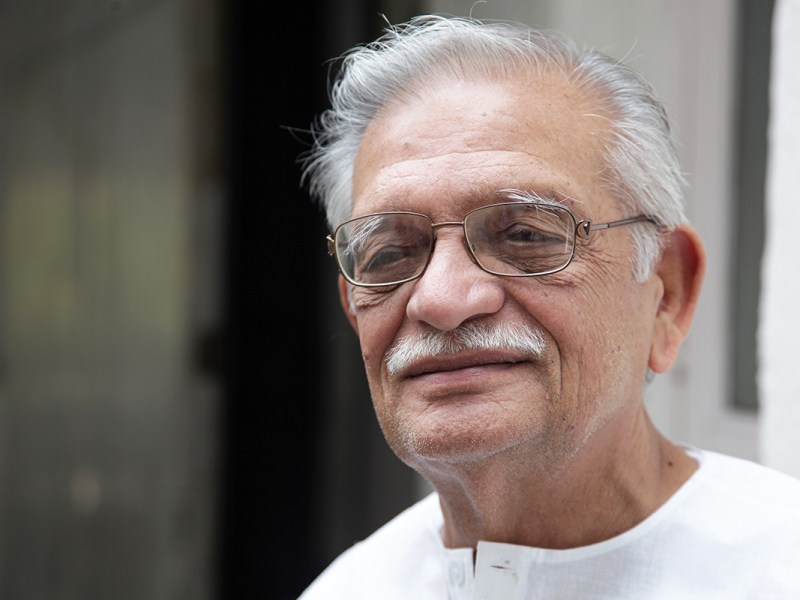
The Mausoleum Can’t Go into Mourning | A Transcreation from a Ghazal by Gulzar
The poem explores themes of sorrow and longing, comparing tears to mourning fountains and questioning if those in love experience true grief. It suggests that even natural elements, like thorns, sacrifice for love, while the speaker feels a sense of despair, identifying as unworthy amidst such profound emotions.
The Pain is Mild | A Transcreation from a Ghazal by Gulzar
The poem reflects on pain and lingering memories after loss, capturing a continued connection with the past. As night falls, the speaker acknowledges the interplay of heartache and healing, blending personal experiences with fictional elements. Emotions intertwine as they honor shared stories, bridging yesterday’s narratives with today’s sentiments.
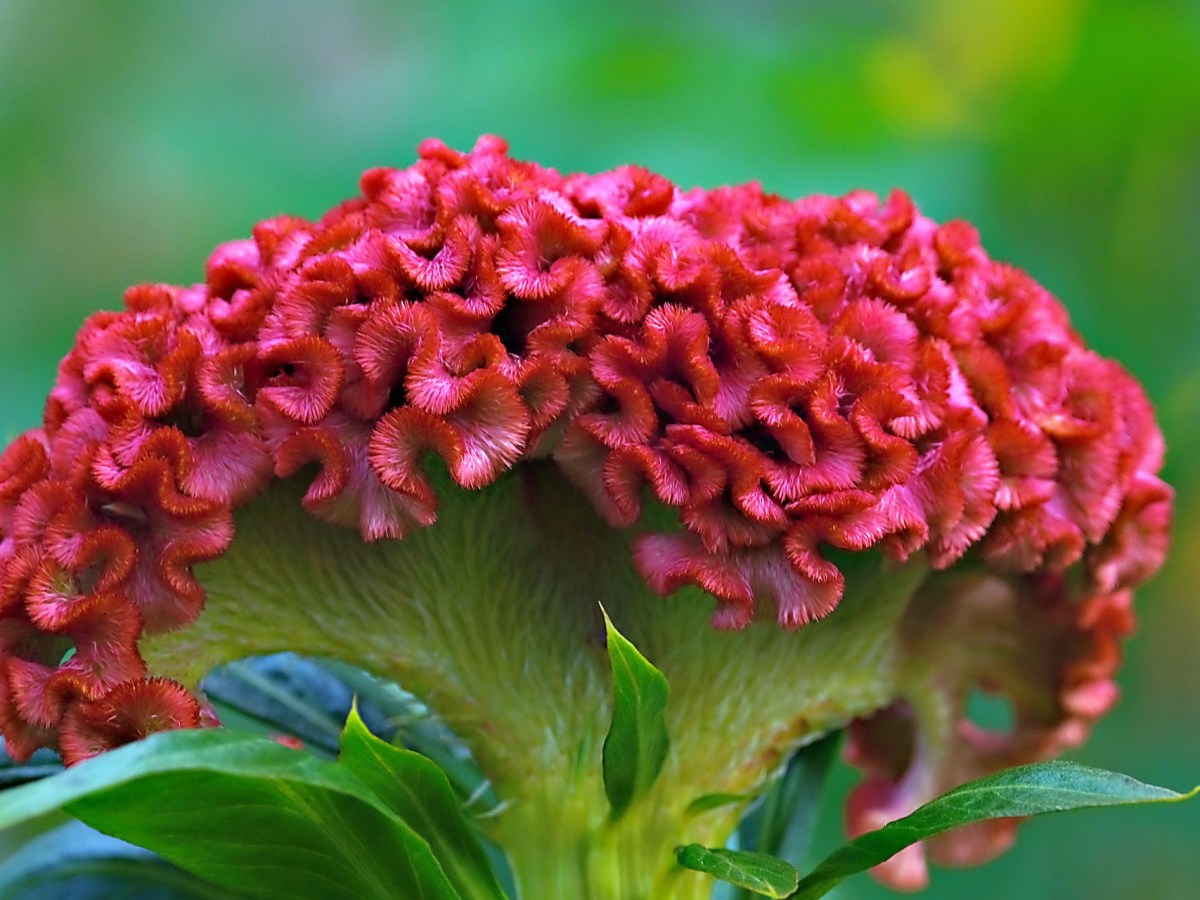
Ghazal for the Nameless | #2
At such an age, Aaftaab has descended from its throne; Its light decrees not winter’s passion; just the crackle of brittle old bones.
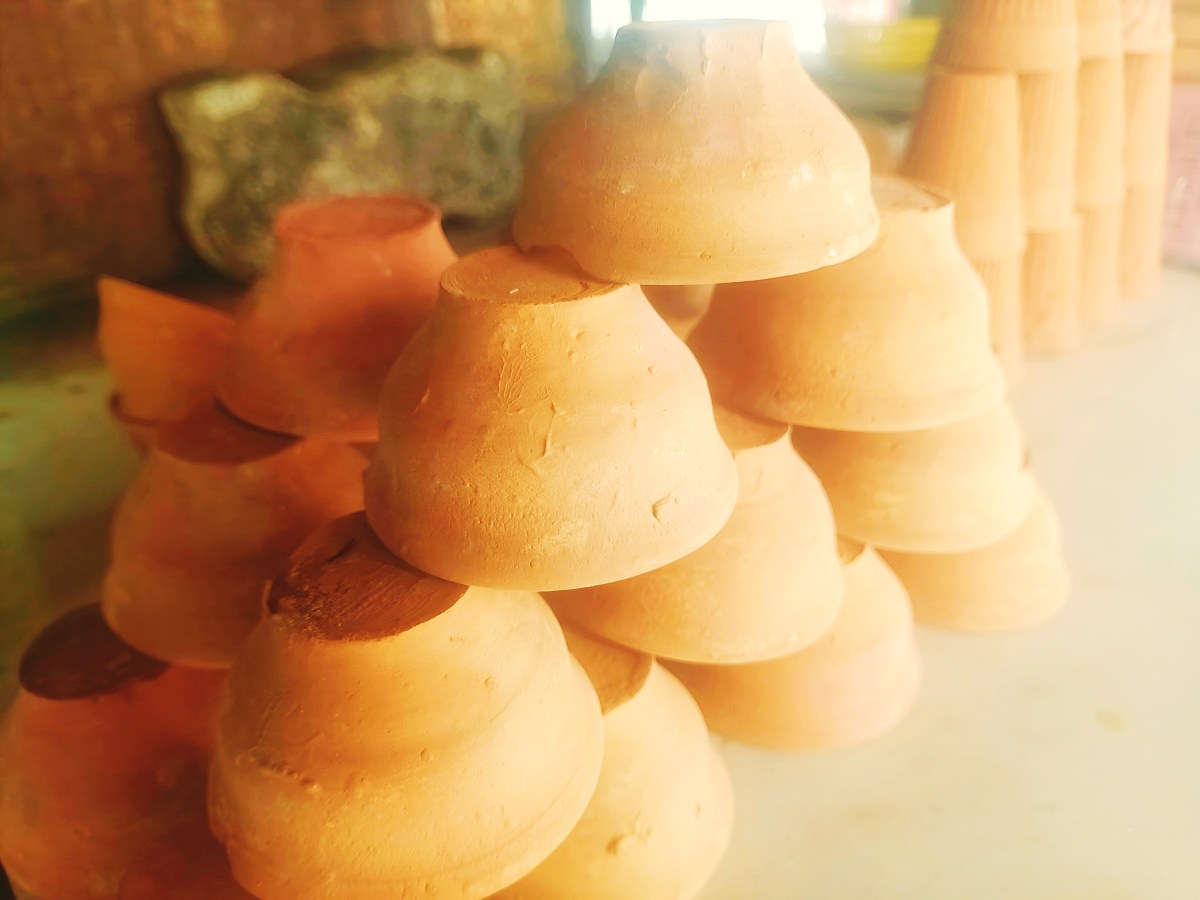
A Song On the Beginning of the World
In a winter morning tea stall, a tea-seller ignites the day’s first brew amidst contrasting scenes of a dentist’s parlor and a temple. A senior reminisces about Venezuela while a younger man reads absurd news involving Trump. The atmosphere merges discussions of life, faith, and a barking dog, signifying shared narratives.

Tonight | A Ghazal for Agha Shahid Ali
A ferocious, syncretic lyric of exile and accusation: wine, ashes, and pashminas fold memory into ritual. Blasphemy, betrayal, and mercy collide amid ruined temples, stained casements, and hunted prophets. The speaker’s barred faith and smoldering longing summon ghosts, judgment, and a final, elegiac defiance. Haunting, intimate, politicized, mordant, ritual, relentless.
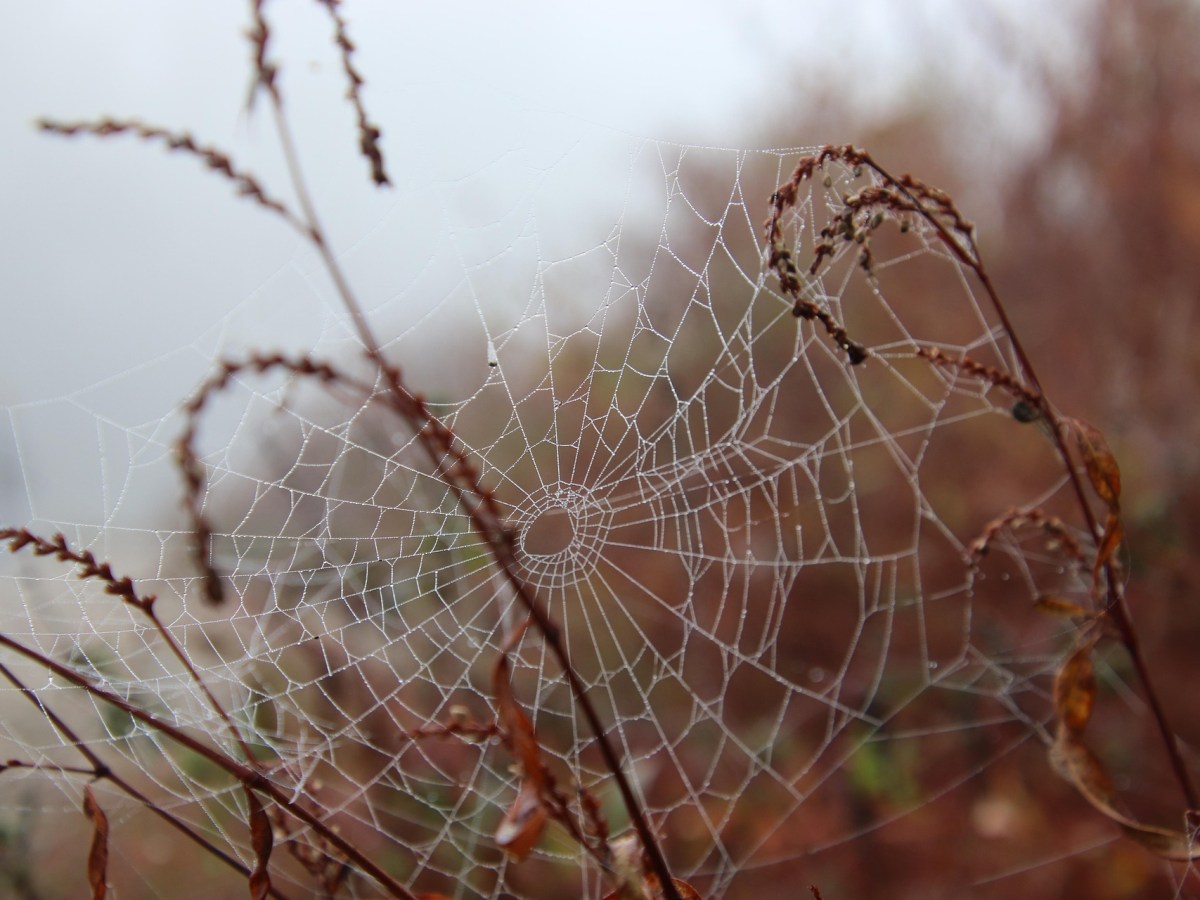
Ghazal for the Nameless
The ghazal explores themes of disillusionment and loss. The speaker critiques superficial connections and the ineffectiveness of various societal roles, from poetry to nursing. References to historical figures and cultural symbols illuminate a deeper sense of yearning and abandonment, suggesting that despite appearances, many cherished things are ultimately unfulfilled or inadequate.

The Lone Scion of Corleone
The poem portrays a struggle between innocence and fate, using imagery of dark, sensitive eyes foreseeing a grim destiny. Despite awareness, there is a strong resolve to rise again, drawing strength from nature. The metaphors emphasize resilience against superficiality, with a connection to mysticism and legacy, invoking themes of defiance and renewal.
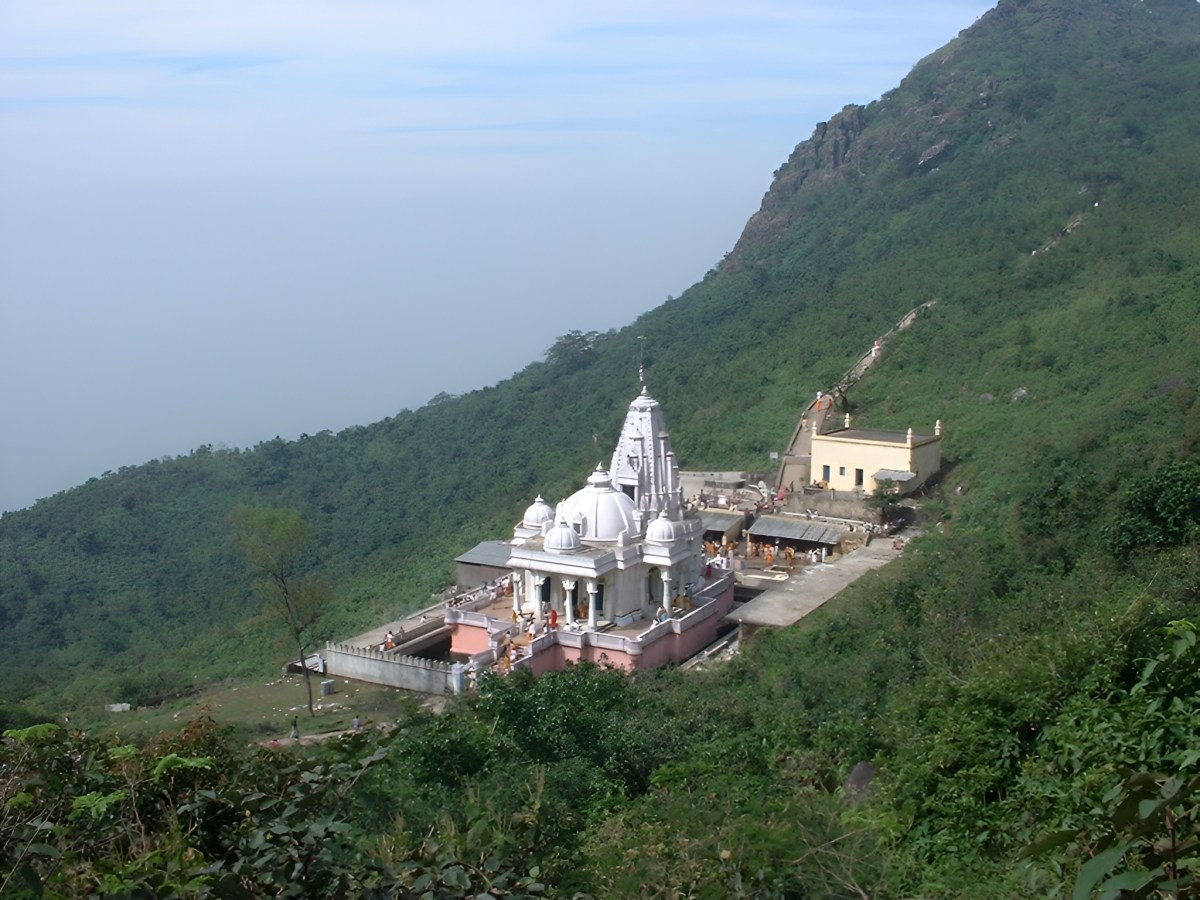
Parasnath
The narrator reflects on a nostalgic train journey back to Jharkhand, evoking memories of a past trip with his father. The journey underscores the passage of time, with the sacred hill Parasnath symbolizing spiritual significance. Amidst daily labor, the narrator feels a profound connection to history and the sacred landscape.
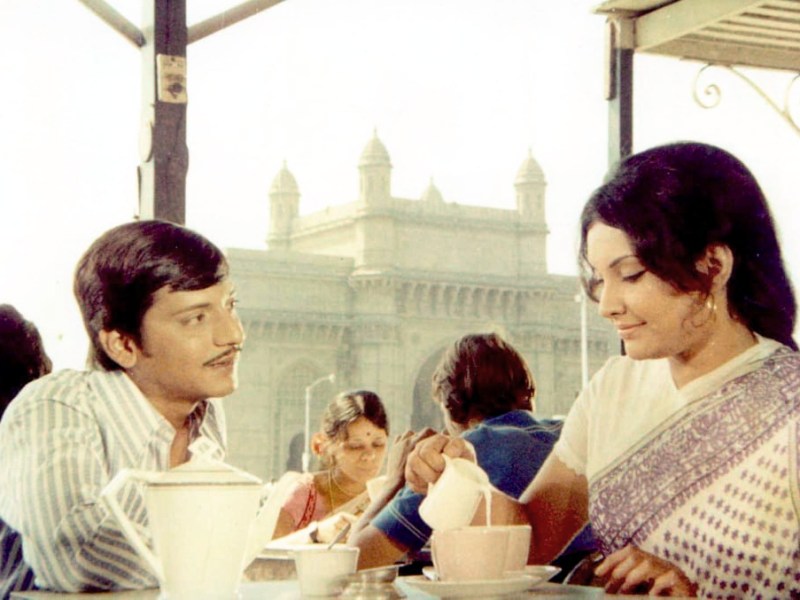
Cafe Samovar, Bombay: Small Talks of Large Dreams (a Poem Inspired by Basu Chatterjee’s Film, Chhoti Si Baat)
The poem reflects the ambiance of a café in Basu Chatterjee’s Chhoti Si Baat, blending imagery of an afternoon with experiences of diners and the city. It encapsulates moments of silence, romance, and nostalgia, portraying the complexities of modern life intertwined with memories, like fleeting impressions captured by a camera.

Translations from Gitabitan | #1 | কান্নাহাসির-দোল-দোলানো পৌষ-ফাগুনের পালা | Winter and Spring Swing on Laughter and Sighs
The poem explores the emotional transitions between winter and spring, conveying a longing for peace and resolution amid turmoil. It reflects on the struggle to find solace in music while grappling with the chaos of life. The refrain highlights the destiny of being enveloped in melodies as a means of comfort.
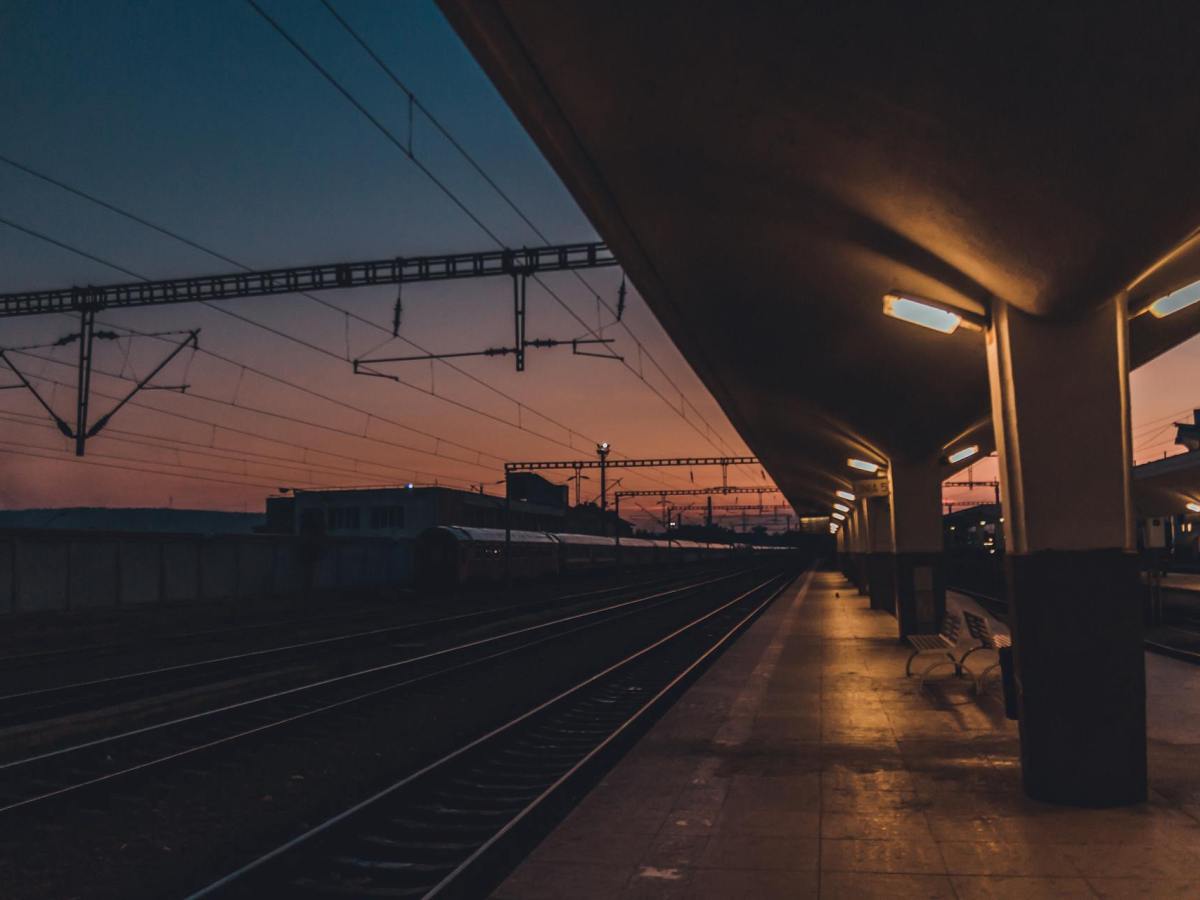
A Fleeting Shelter
The poem reflects on love’s traumas symbolized by an inflamed moon, evoking memories of beauty and tenderness amidst pain. It encourages embracing the neglected and unappreciated, suggesting solace found in the kindness of strangers. The imagery intertwines nature, memory, and human connection, ultimately promoting care and compassion for oneself.
Something went wrong. Please refresh the page and/or try again.
 Arup K. Chatterjee